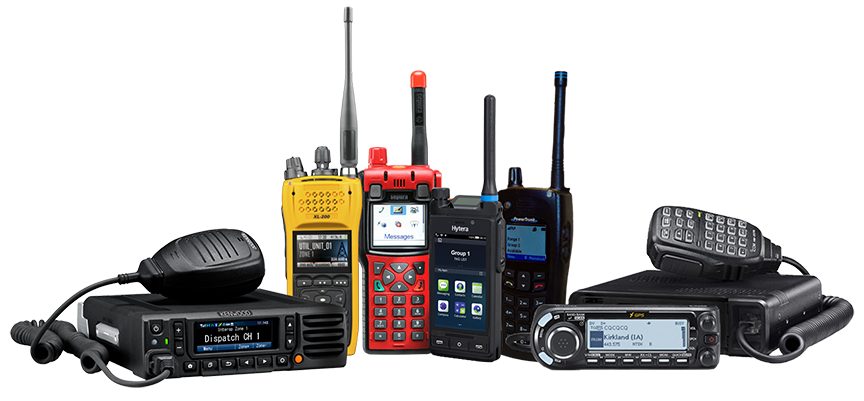
Effective communication is the backbone of successful operations in industries such as construction, transportation, manufacturing, hospitality, security, and emergency services. Whether employees are coordinating tasks across a large facility or staying connected while traveling between locations, having the right two-way radio system can significantly improve productivity and safety. Choosing the correct communication device starts with understanding the differences between mobile and portable radios. Businesses searching for dependable communication equipment can explore RadioRed, a trusted source offering a wide range of mobile radios, portable radios, repeaters, and accessories from leading brands for professional communication needs.
Although both mobile and portable radios perform the same primary function—allowing instant two-way communication—they are designed for different environments and users. Mobile radios are built for vehicles or fixed installations, while portable radios provide mobility for employees working on foot. Selecting the right option depends on your work environment, communication range, and operational requirements.
Understanding Mobile Radios
A mobile radio is a two-way communication device permanently installed inside a vehicle or fixed location such as a dispatch center or office. These radios are connected directly to the vehicle’s electrical system, allowing them to operate continuously without worrying about battery life.
Mobile radios are widely used by organizations that depend on reliable communication while traveling or managing vehicle fleets. Their powerful transmitters and external antennas provide superior signal strength compared to handheld units.
Common Applications
Mobile radios are commonly found in:
- Public safety vehicles
- Ambulances
- Fire departments
- Taxi services
- Delivery companies
- Utility maintenance vehicles
- Agricultural machinery
- Construction fleets
These industries rely on uninterrupted communication to improve coordination and respond quickly to changing situations.
What Is a Portable Radio?
Portable radios, also known as handheld radios, are compact wireless communication devices designed to be carried anywhere. They operate using rechargeable batteries and provide excellent flexibility for workers who move throughout the day.
Unlike mobile radios, portable models require no installation. Employees simply charge the battery, select the appropriate communication channel, and begin using the device.
Portable radios have become popular across numerous industries because they offer reliable communication while allowing complete freedom of movement.
Typical Users
Portable radios are commonly used by:
- Security guards
- Hotel staff
- Warehouse employees
- Event organizers
- Retail stores
- Schools
- Manufacturing facilities
- Hospitals
Because they are lightweight and easy to carry, they allow teams to remain connected wherever they work.
Major Differences Between Mobile and Portable Radios
While both radios transmit voice communications, several important differences should be considered before purchasing.
Installation
Mobile radios require professional installation inside vehicles or buildings. They connect to an external antenna and power source for maximum performance.
Portable radios require no installation, making them ideal for businesses needing immediate communication solutions.
Communication Range
One of the biggest differences is communication distance.
Mobile radios generally transmit farther because they operate at higher power levels and use larger external antennas.
Portable radios typically provide sufficient coverage within buildings, campuses, warehouses, construction sites, and nearby outdoor areas.
When combined with repeaters, both radio types can communicate over much greater distances.
Power Supply
Mobile radios receive continuous power from the vehicle or building’s electrical system.
Portable radios rely on rechargeable batteries that require charging after extended use.
Organizations using handheld radios often purchase spare batteries or charging stations to minimize downtime.
Portability
Portable radios are specifically designed for mobility.
Workers can climb ladders, patrol buildings, inspect equipment, or walk across large facilities while remaining connected.
Mobile radios remain fixed inside vehicles, making them ideal for drivers rather than field personnel.
Audio Performance
Mobile radios generally produce louder, clearer audio because they include larger speakers and higher transmission power.
Portable radios also deliver excellent audio quality, especially modern digital models equipped with noise reduction technology.
Advantages of Mobile Radios
Businesses managing transportation fleets often prefer mobile radios for several reasons.
Longer Communication Distance
Because of their stronger transmitters and external antennas, mobile radios provide superior communication coverage across cities, highways, rural areas, and industrial sites.
Unlimited Operating Time
Battery management is never a concern since the vehicle continuously powers the radio.
This makes mobile radios ideal for long work shifts.
Reliable Vehicle Communication
Drivers remain connected with dispatchers, supervisors, and other vehicles without interruption.
Advanced Features
Many modern mobile radios include:
- GPS tracking
- Bluetooth support
- Digital encryption
- Emergency alerts
- Voice recording
- Remote monitoring
- Multiple communication zones
These features improve both efficiency and security.
Advantages of Portable Radios
Portable radios remain one of the most popular communication solutions because they offer unmatched flexibility.
Freedom of Movement
Employees can communicate while walking, climbing, inspecting equipment, or assisting customers.
Quick Deployment
No complicated installation is required.
Businesses can begin using portable radios immediately after programming.
Cost-Effective Solution
For smaller businesses, portable radios often represent an affordable communication investment.
Easy Maintenance
Replacing batteries or accessories is simple, reducing maintenance costs.
Which Radio Is Better for Your Business?
There is no universal answer because every organization has different communication needs.
Choose a mobile radio if:
- Employees spend most of their day driving.
- Long-distance communication is essential.
- Continuous power is required.
- Fleet coordination is important.
Choose a portable radio if:
- Employees work on foot.
- Teams move frequently.
- Communication occurs inside buildings.
- Mobility is a priority.
Many organizations discover that combining both radio types creates the most efficient communication system.
Using Repeaters to Expand Coverage
Large facilities, mountainous terrain, and urban environments can reduce radio signal strength.
A repeater receives incoming radio transmissions and retransmits them over a greater distance.
Benefits include:
- Extended communication range
- Fewer dead zones
- Better building penetration
- Improved communication reliability
Repeaters are especially useful for manufacturing plants, mining operations, campuses, municipalities, and logistics companies.
Analog vs Digital Communication
Modern digital radios continue replacing older analog systems because they provide several important advantages.
Digital radios offer:
- Better voice clarity
- Reduced background noise
- Improved battery efficiency
- GPS tracking
- Secure encrypted conversations
- Text messaging
- Greater channel capacity
Businesses investing in new communication systems often choose digital equipment because it supports future expansion and advanced communication features.
Important Accessories
Selecting quality accessories improves both comfort and productivity.
Popular accessories include:
- Remote speaker microphones
- Earpieces
- Noise-canceling headsets
- Spare batteries
- Rapid charging stations
- Vehicle antennas
- Belt clips
- Carry cases
- Programming cables
Using genuine accessories also helps extend equipment lifespan.
Industries That Benefit Most
Transportation
Drivers rely on mobile radios for dispatch communication and route coordination.
Construction
Portable radios allow supervisors and workers to coordinate activities across large job sites.
Hospitality
Hotels use handheld radios to improve housekeeping, maintenance, and guest service communication.
Manufacturing
Production teams stay connected while improving workflow efficiency.
Security
Security personnel use portable radios to monitor facilities and respond quickly to incidents.
Emergency Services
Police, firefighters, and medical responders often use both mobile and portable radios together for complete communication coverage.
Maintenance Tips
To maximize radio performance:
- Charge batteries correctly.
- Inspect antennas regularly.
- Keep radios clean.
- Update programming when needed.
- Store equipment properly.
- Test communication range periodically.
Routine maintenance extends equipment life and improves reliability.
Final Thoughts
Choosing between a mobile radio and a portable radio depends on your organization’s communication requirements, mobility needs, and operating environment. Mobile radios provide exceptional range, continuous power, and reliable communication for vehicle-based operations, while portable radios offer unmatched flexibility for employees working on foot. Many businesses achieve the best results by combining both radio types with repeaters to create a dependable communication network that supports productivity and safety.
Before investing in new communication equipment, evaluate your current operations, future growth plans, and coverage requirements to ensure you select the most effective solution. For businesses looking to explore professional two-way radios, repeaters, accessories, and communication equipment from leading manufacturers, visit radiored.com.mx to discover solutions tailored to a wide range of industries.