
|
Article Title |
How to Protect Furniture During a Move in Tropical Weather |
|
Meta Description |
Learn how to protect your furniture during a move in tropical weather with practical tips to prevent moisture, humidity, heat, and rain damage. |
Moving house is stressful enough on a mild, dry day. Add thick humidity, sudden downpours and a sun that bakes everything it touches, and your furniture is facing a genuine test. Timber swells, upholstery traps damp, leather sweats and cardboard turns to mush. Anyone who has watched a favourite sofa get rained on during a carry from truck to door knows the sinking feeling.
The good news is that tropical conditions are manageable with some planning. Here's how to get your furniture from one place to another in one piece, even when the sky has other ideas.
Check the forecast, then plan for it to be wrong
In the tropics, weather changes fast. A clear morning can turn into a storm by two o'clock. Check the forecast a few days out and again the night before, but don't treat it as a promise. Aim to start early, since storms often build through the afternoon, and have a wet-weather plan ready regardless of what the app says.
If you can, pick a day outside the heaviest part of the wet season. If you can't, build in flexibility, because a day's delay costs far less than a ruined lounge suite.
Wrap smarter, not just more
Standard moving blankets are good for scratches, but they soak up water and hold it against the surface. In wet or humid conditions, you want layers that do different jobs:
- Inner layer: a breathable cover, such as a cotton sheet or moving blanket, to cushion and absorb surface moisture
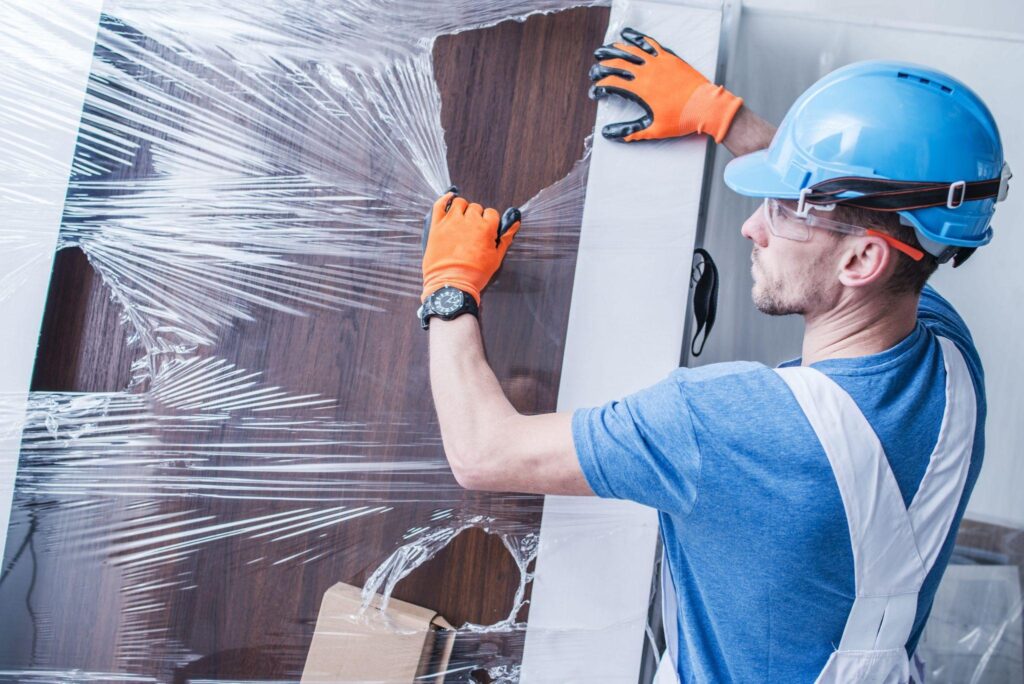
- Outer layer: heavy-duty plastic wrap or a waterproof cover to keep rain off
Here's a trap worth knowing about. Wrapping furniture tightly in plastic alone, especially timber or leather, can trap humidity inside and encourage mould or marks. Plastic is for the short trip between house and truck. Once pieces are loaded, a breathable cover is kinder for the journey itself.
Treat timber and leather with care
Solid timber reacts to moisture. Tables, chests and bed frames can swell, warp or develop white marks if they get damp. Wipe pieces dry before wrapping, and cover tabletops and polished surfaces with a clean cloth first, then the waterproofing layer.
Leather needs gentle handling too. Dry it thoroughly, avoid sealing it in plastic for long periods and keep it away from direct sunlight in the truck. A quick wipe with a soft cloth before wrapping helps.
Protect upholstery from damp and mildew
Fabric lounges, armchairs and mattresses are the biggest casualties of a wet move. Once a cushion is soaked, getting it fully dry in humid air can take days, and mildew can start well before that.
Use fitted mattress bags and sofa covers, and tape the seams so water can't creep in. Carry them in a single, quick movement rather than pausing in the open. If rain starts mid-carry, put the piece down under cover rather than pushing on through the downpour.
Don't forget the floor
Wet feet and wet boxes track water through your old home and your new one. Lay down runners, cardboard or plastic sheeting along the route, and keep a stack of old towels at both doors. It protects your floors, and it stops people slipping with a heavy load in their arms.
Keep boxes off the ground
Cardboard and moisture are enemies. Boxes sitting on a wet driveway or garage floor will soften and collapse. Raise them on pallets or crates, and consider plastic tubs for anything valuable or sentimental. Seal cartons with good tape, and avoid overfilling them, since soggy bottoms give way.
Avoid the classic Bad Weather Moving Mistake
If there's one error that causes more damage than any other, it's pressing on regardless. That Bad Weather Moving Mistake usually looks like this: it starts to rain, the crew is behind schedule, and everyone decides to just push through. Furniture gets carried uncovered, floors get wet and someone slips on the ramp.
A short pause is almost always better. Stop, cover what's exposed, wait out the worst of it and carry on. A good crew will know when to hold and when to move. If you're running the move yourself, give yourself permission to wait.
Think about the truck and the timing
Load furniture last-in, first-out wherever possible, and keep the heaviest, most vulnerable pieces away from the door where rain blows in. Make sure the truck's roller door or tarpaulin seals properly. Heat is the other issue. A closed truck sitting in the sun gets extremely hot, which can affect glues, veneers and wax finishes. Avoid leaving a loaded truck parked in full sun for hours.
When your new home isn't ready
Delays happen, especially at settlement time, and storing furniture in a humid environment is risky. If there's a gap between moving out and moving in, consider climate-aware storage rather than a garage or shed. It's common for Removalists Store Furniture in dedicated facilities that offer dry, ventilated, pest-controlled spaces, which is far safer for timber, upholstery and electronics than a damp backyard shed. Ask whether the storage is raised off the ground and whether it's monitored for moisture.
Choosing people who understand the conditions
Experience matters. A company that moves homes in tropical weather every week will already know which wrapping works, how to protect floors and when to call a pause. Providers like Butler's Removals & Storage deal with these conditions regularly, and can usually advise on packing, protection and storage options if your timeline is uncertain. Ask what materials they use, how they handle wet days and what their insurance covers, so there are no surprises.
After the move
Once furniture is inside, don't rush to remove every cover. Let pieces sit in a ventilated space for a while so any trapped moisture can escape. Run fans or air conditioning, open windows when it's dry and check timber and upholstery for damp patches over the next few days. Catching a problem early is far easier than fixing mould later.
The short version
Tropical weather asks for a bit more preparation, not a lot more effort. Plan for sudden rain, wrap in layers, keep boxes off the ground, pause when the weather turns and store furniture somewhere dry if you need to. Do those things and your belongings will arrive looking exactly as they did when they left.
