
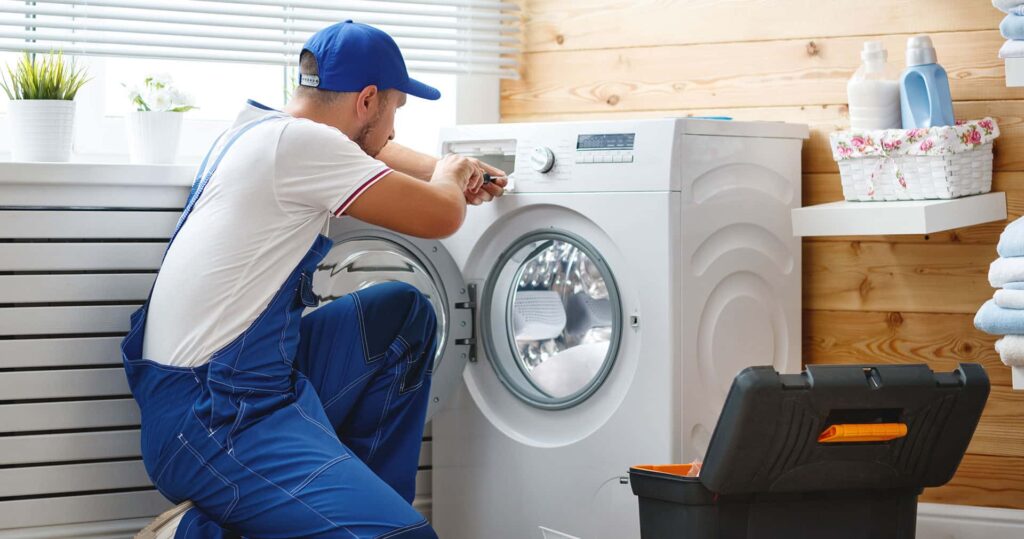
Whirlpool dryers are built to make laundry easier, but when the moisture sensor starts failing, the drying cycle can become unpredictable and frustrating. Many homeowners notice clothes coming out damp, over-dried, or taking much longer than usual, which often points to a sensor problem rather than a full system breakdown. Understanding how these sensors work is the first step in effective Whirlpool Dryer Repair and helps you avoid unnecessary costs or confusion.
Moisture sensors are designed to detect how wet or dry your clothes are during the cycle so the dryer can stop at the right time. When this system malfunctions, it can affect energy efficiency, drying performance, and even increase wear on fabrics. In this guide, you will learn how to identify sensor issues, what causes them, and when it is best to consider professional Whirlpool Dryer Repair services like those offered through trusted local providers such as Hill Country Repairs.
Understanding Whirlpool dryer moisture sensor issues
Moisture sensors in Whirlpool dryers usually sit inside the drum and work by measuring electrical resistance between two metal strips. When clothes are wet, the signal changes, helping the control board decide how long the cycle should continue. If these sensors become dirty, damaged, or misaligned, the dryer may misread moisture levels and create drying problems that look like heating issues but are actually sensor-related.
In many Whirlpool Dryer Repair cases, technicians find that the sensor itself is not completely broken but simply coated with fabric softener residue, lint buildup, or detergent film. This layer prevents accurate readings, causing the dryer to shut off too early or run longer than needed. Understanding this basic function helps homeowners recognize that not every drying problem requires expensive parts replacement, but rather proper cleaning or calibration.
Common signs of sensor failure in Whirlpool dryers
One of the most common signs of moisture sensor failure is clothes that are still damp at the end of a normal cycle. Homeowners often assume the heating element is faulty, but in reality, the sensor may be failing to detect moisture correctly. Another common symptom is the dryer stopping too early, even when thick fabrics like towels or jeans are still wet.
In other Whirlpool Dryer Repair situations, the opposite problem occurs where clothes become overly dry and sometimes slightly warm or stiff. This happens when the sensor cannot detect moisture at all, forcing the dryer to run on timed cycles instead of automatic sensing. You may also notice inconsistent drying results between loads, which is a strong indicator that the sensor system is not communicating properly with the control board.
Why moisture sensors fail in modern Whirlpool dryers
Moisture sensors fail for several everyday reasons, and most of them are related to usage habits rather than manufacturing defects. Over time, fabric softeners, dryer sheets, and detergent residues create a thin coating on the sensor bars, blocking accurate readings. This is one of the most overlooked causes in Whirlpool Dryer Repair cases and can often be resolved with proper maintenance.
Another major reason is electrical wear or loose wiring connections behind the drum or control panel. Heat cycles, vibration, and long-term use can slowly weaken connections, leading to intermittent sensor performance. In some cases, control board issues may also mimic sensor failure, making it important to diagnose the problem carefully before replacing parts unnecessarily.
Step-by-step troubleshooting for Whirlpool Dryer Repair
When dealing with moisture sensor issues, the first step is always a basic inspection and cleaning of the sensor strips inside the drum. These metal strips should be wiped gently with a soft cloth and mild cleaner to remove residue buildup. This simple action resolves a large percentage of Whirlpool Dryer Repair complaints and restores proper sensor function without replacing any components.
If cleaning does not solve the issue, the next step involves checking the dryer vent system for blockages that may affect airflow and drying accuracy. Poor ventilation can confuse the sensor readings and cause longer drying cycles. At this stage, it is also important to inspect internal wiring connections and ensure the control settings are correctly configured, as these factors often play a hidden role in performance issues.
When professional Whirlpool Dryer Repair is needed
There are situations where DIY troubleshooting is not enough, especially when the sensor continues to fail after cleaning and basic inspection. If the dryer shows persistent error codes, inconsistent cycle behavior, or complete failure to detect moisture, a deeper electrical or control board issue may be present. In these cases, professional Whirlpool Dryer Repair becomes the safest and most effective option.
Experienced technicians can perform advanced diagnostics to determine whether the issue lies in the sensor assembly, wiring harness, or main control board. They also have the tools to safely replace faulty components without damaging other parts of the dryer. Trusted local services like those found through Hill Country Repairs provide reliable repair solutions that restore performance and extend the life of your appliance.
Conclusion
Moisture sensor issues in Whirlpool dryers can feel confusing at first, but they are often caused by simple problems like residue buildup, airflow restrictions, or minor electrical faults. With a basic understanding of how the sensor system works, homeowners can often identify whether the issue is minor or requires professional attention. Proper maintenance plays a key role in preventing repeated problems and ensuring efficient drying performance.
When basic troubleshooting is not enough, professional Whirlpool Dryer Repair services offer the most reliable path to restoring full function. Skilled technicians can quickly diagnose hidden issues and provide long-term solutions that keep your dryer running efficiently. By combining regular cleaning habits with expert support when needed, you can extend the life of your Whirlpool dryer and maintain consistent performance for years to come.
