
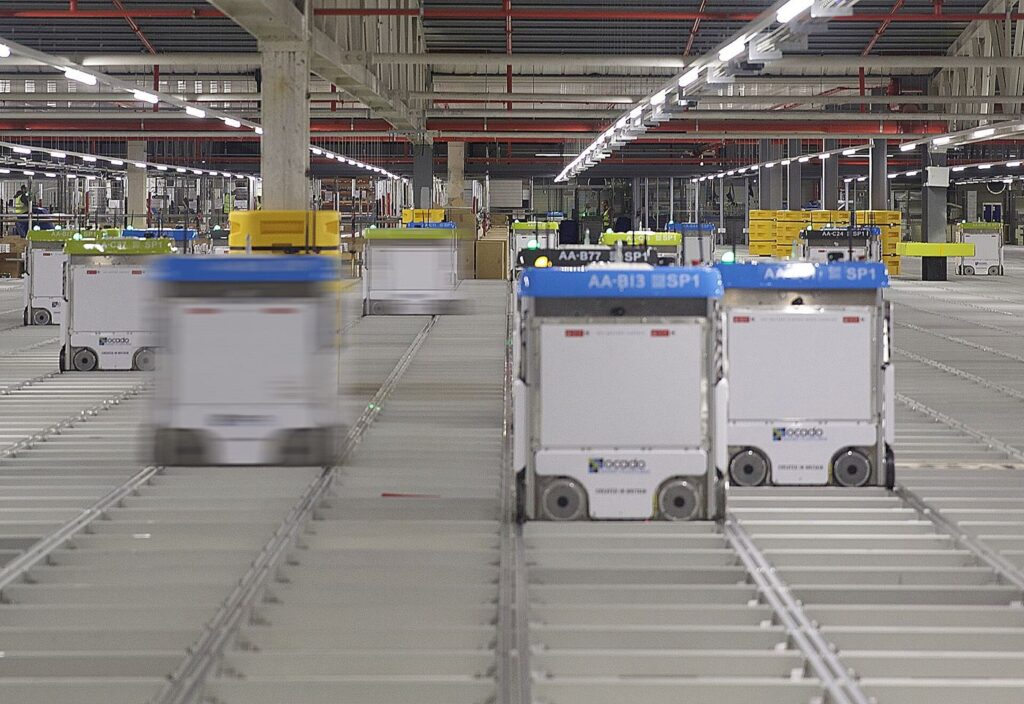
Robots designed for cold storage warehouses are taking on one of the harshest jobs in logistics, moving frozen goods in temperatures that limit how long people can safely work inside. Freezer warehouses operate well below zero, requiring heavy protective clothing and regular warm-up breaks that slow the flow of food and medicine to dispatch. Mobile robots that carry shelves or pallets to picking stations can reduce the time staff spend in the coldest zones, while working continuously through busy periods. Building machines for those conditions is not straightforward, since batteries lose capacity in the cold, condensation can fog sensors and lubricants behave differently at low temperatures. Manufacturers are therefore testing sealed electronics, heated sensor windows and battery systems designed specifically for freezer environments. Operators say the prize is significant, because cold supply chains are expanding with demand for fresh food delivery, frozen products and temperature-sensitive medicines. A breakdown or delay in a freezer warehouse can spoil stock quickly, so reliability matters as much as speed.
What the Evidence Shows
Early deployments keep people in supervisory and quality roles, with robots handling the repetitive travel through the coldest aisles. Specialists following cold storage warehouse robots say that mapping a freezer is harder than mapping a normal warehouse, because frost, condensation and stacked pallets change what sensors see from hour to hour. Software therefore updates routes cautiously, and facilities keep manual procedures ready for the busiest or most unusual orders. Energy use is also under scrutiny, since a robot that saves labour but forces doors to open more often could raise refrigeration costs. The strongest results come from redesigning the whole workflow around the machines, including where goods enter, how they are stacked and when staff intervene. If those designs prove reliable through a full winter peak, cold storage could become one of automation’s clearest success stories, improving both working conditions and supply reliability. Reporting and analysis from sources such as Wired track the same developments, and specialists following cold storage warehouse robots say the direction is now consistent across independent lines of evidence.
The Wider Context
The wider context is an industry learning to ship capability and restraint together. Products built around cold storage warehouse robots now launch with safety evaluations, usage data and rollback plans as standard, because enterprise buyers and regulators ask for them in the first meeting. Companies that treated those questions as friction are discovering they have become the purchase criteria.
What Happens Next
What happens next for cold storage warehouse robots depends less on another breakthrough than on the unglamorous work of reliability, pricing and support. The buyers evaluating it now are not enthusiasts; they are operators with budgets and auditors, and their checklists will decide the timeline. On the evidence of the current pilots, the technology has earned the right to be judged by them. You can follow related developments in our coverage of technology.
None of this will be settled by a single announcement, study or product launch. The pattern to watch is accumulation: independent confirmations, honest reporting of failures and steady improvement in the underlying numbers. Readers who follow those signals, rather than the loudest claim of the week, will understand this subject better than most of the commentary surrounding it suggests is possible.
