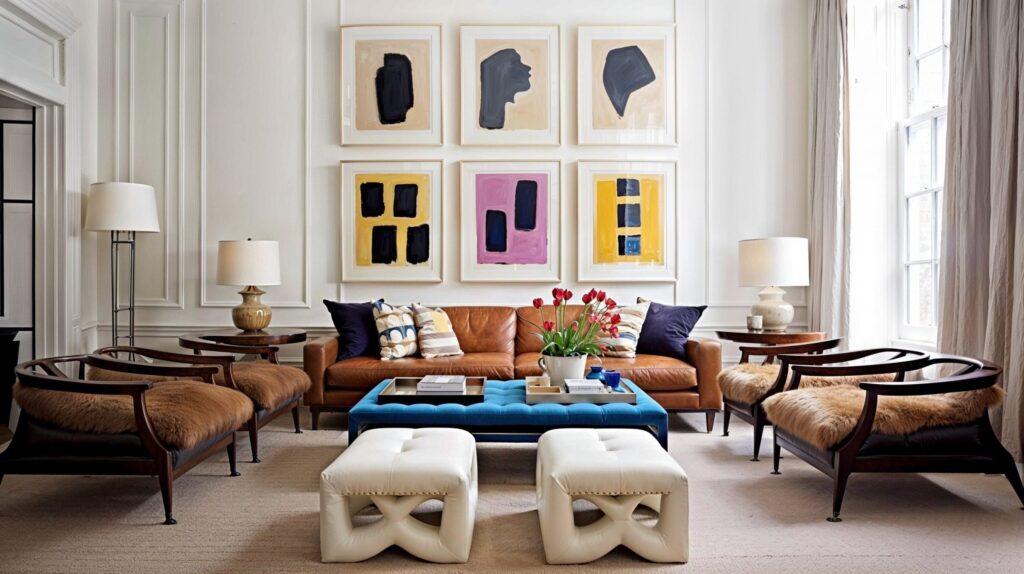
Wall art is more than just decoration; it is a powerful design element that shapes the mood, personality, and visual identity of any interior space. Whether placed in a home, office, or commercial environment, wall art helps transform blank walls into meaningful visual experiences. From paintings and prints to canvas pieces and photo collages, wall art reflects personal taste while enhancing the overall aesthetics of a room. It acts as a focal point, adds depth and texture, and creates harmony between furniture, color schemes, and architectural features. In modern interior design, wall art is considered essential rather than optional, as it completes the space and makes it feel lived-in and inspiring.
Types of Wall Art for Different Spaces
There are numerous types of wall art available, each suited for different design themes and environments. Canvas prints are one of the most popular choices due to their versatility and elegant texture. They work well in living rooms, bedrooms, and offices by adding warmth and artistic appeal. Framed prints provide a classic and refined look, ideal for formal settings and traditional décor styles. Posters and photographic prints offer a contemporary vibe, often used to showcase landscapes, abstract designs, or inspirational quotes. Metal and acrylic wall art create a modern and sleek appearance, making them perfect for minimalist interiors. Additionally, wall sculptures and mixed-media pieces add dimension and artistic uniqueness, elevating the room’s visual interest. Choosing the right type of wall art depends on the purpose of the space and the emotional response you want to evoke.
How Wall Art Influences Mood and Atmosphere
The colors, themes, and composition of wall art significantly influence the mood of a room. Bright and vibrant artwork energizes a space and makes it feel lively, which is ideal for living rooms, creative studios, and children’s areas. Soft pastel art creates a calming and relaxing environment, suitable for bedrooms and meditation corners. Nature-inspired art brings tranquility and freshness, while abstract art adds intrigue and stimulates creativity. Motivational typography pieces are popular in workspaces as they encourage focus and positivity. By carefully selecting artwork that aligns with the emotional tone of the space, you can enhance comfort, productivity, and well-being. Wall art acts as a visual language that communicates feelings without words, making it a key element in shaping the atmosphere of any environment.
Choosing the Right Size and Placement for Wall Art
Size and placement are crucial factors when decorating with wall art. Oversized pieces can serve as bold focal points, especially above sofas, beds, or dining tables. Smaller artworks work well in gallery wall arrangements, creating a cohesive visual story. A general rule is to ensure that the artwork covers about two-thirds of the wall space above furniture to maintain visual balance. Placement at eye level is ideal, allowing viewers to engage comfortably with the piece. For gallery walls, maintaining equal spacing between frames creates a clean and organized look. Symmetrical arrangements provide a formal and structured feel, while asymmetrical layouts offer a more dynamic and creative appearance. Thoughtful sizing and positioning ensure that the artwork enhances rather than overwhelms the room.
Read More:https://www.wallpics.com/
Matching Wall Art with Interior Design Styles
Different interior design styles require different approaches to wall art selection. For modern interiors, abstract paintings, geometric prints, and monochrome artwork complement the clean lines and minimalist aesthetic. Traditional spaces benefit from classic paintings, landscape scenes, and ornate framed art that add sophistication and timeless charm. Bohemian décor pairs well with eclectic and colorful pieces, including handcrafted art and cultural prints. Industrial-style interiors look great with black-and-white photography, metal artwork, and urban-themed prints. Scandinavian design, known for its simplicity, often features soft-toned nature art and minimalistic line drawings. Matching the style of wall art with the overall interior theme creates harmony and ensures a cohesive visual flow throughout the space.
Creating a Gallery Wall for Visual Impact
A gallery wall is an excellent way to display multiple pieces of art while adding personality to a room. This arrangement allows you to mix various art styles, sizes, and frames to create a curated and personalized display. To build a successful gallery wall, start by selecting a central theme such as family memories, travel photography, or abstract artwork. Lay out the arrangement on the floor before hanging to determine the most visually pleasing composition. Maintaining consistent spacing and alignment helps achieve a polished look. Gallery walls are particularly effective in hallways, staircases, and living room feature walls, where they can transform an ordinary space into a storytelling visual centerpiece.
The Role of Color Coordination in Wall Art Selection
Color coordination plays a vital role in integrating wall art seamlessly into a room’s décor. Artwork can either complement the existing color palette or act as a bold contrast element that draws attention. Matching dominant colors in the artwork with cushions, rugs, or curtains creates a unified design. Neutral-toned art works well in spaces with bold furniture, while vibrant artwork can brighten neutral interiors. Monochrome art provides elegance and simplicity, while multi-colored pieces add vibrancy and artistic energy. Understanding color psychology and harmony helps ensure that the chosen artwork enhances rather than clashes with the room’s design.
Read More: https://www.wallpics.com/pages/canvas-prints
Personalized Wall Art and Its Emotional Value
Personalized wall art has gained immense popularity due to its emotional significance and unique appeal. Custom photo prints, family portraits, and personalized typography allow homeowners to tell their own stories through décor. These pieces not only beautify the space but also create meaningful connections with memories and experiences. Personalized art works particularly well in bedrooms, living rooms, and home offices, where emotional comfort and inspiration are important. Incorporating personal elements into wall art ensures that the décor feels authentic and deeply connected to the people living in the space.
Maintenance and Care Tips for Long-Lasting Wall Art
Proper care and maintenance ensure that wall art remains vibrant and durable over time. Keeping artwork away from direct sunlight prevents fading, especially for printed and canvas pieces. Regular dusting with a soft cloth maintains cleanliness without damaging the surface. Framed artworks with glass coverings should be cleaned gently to avoid scratches or smudges. Maintaining stable humidity levels helps protect artwork from warping or deterioration. For valuable or delicate art pieces, professional framing and protective coatings can extend their lifespan. With simple maintenance practices, wall art can retain its beauty and continue enhancing interiors for many years.
Read More: https://www.wallpics.com/pages/canvas-wall-art
Wall Art Trends in Modern Interior Design
Wall art trends continue to evolve alongside interior design innovations. Minimalist line art, nature-inspired prints, and abstract canvas pieces are currently among the most popular choices. Large-scale statement art is trending in modern homes, creating dramatic focal points that define the entire room. Textured artwork, including layered canvases and mixed materials, adds depth and visual richness. Sustainable and eco-friendly art options are also gaining popularity, reflecting a growing awareness of environmentally conscious design. Digital art prints and customizable designs allow homeowners to stay aligned with contemporary trends while maintaining individuality in their décor choices.
Frequently Asked Questions (FAQs)
What is the best type of wall art for small rooms?
For small rooms, light-colored and minimalistic artwork works best. Smaller frames or a well-organized gallery wall can add interest without overwhelming the space. Choosing art that reflects light tones can also make the room appear more spacious.
How high should wall art be hung?
Wall art should generally be hung at eye level, with the center of the artwork approximately 57 to 60 inches from the floor. This ensures comfortable viewing and maintains visual balance in the room.
Can wall art be mixed with different frame styles?
Yes, mixing frame styles can create a dynamic and eclectic look, especially in gallery walls. However, maintaining a consistent color palette or theme helps keep the arrangement cohesive rather than chaotic.
How do I choose wall art that matches my furniture?
Select artwork that includes at least one color present in your furniture or décor elements. This creates visual harmony and ensures that the artwork complements the existing design scheme.
Is large wall art better than multiple small pieces?
It depends on the desired visual effect. Large wall art creates a bold focal point, while multiple small pieces offer storytelling and layered visual interest. Both options work well when balanced correctly with the room’s size and layout.
Conclusion
Wall art is a transformative design element that enhances interiors by adding personality, emotion, and visual depth. From canvas prints and framed artworks to personalized photo displays and modern abstract pieces, the right wall art can redefine the ambiance of any room. By considering factors such as size, placement, color coordination, and design style, you can create a cohesive and inspiring space that reflects your individuality. Whether you aim to create a bold statement or a subtle artistic touch, thoughtful selection and arrangement of wall art ensure lasting beauty and harmony in your home or workspace.