
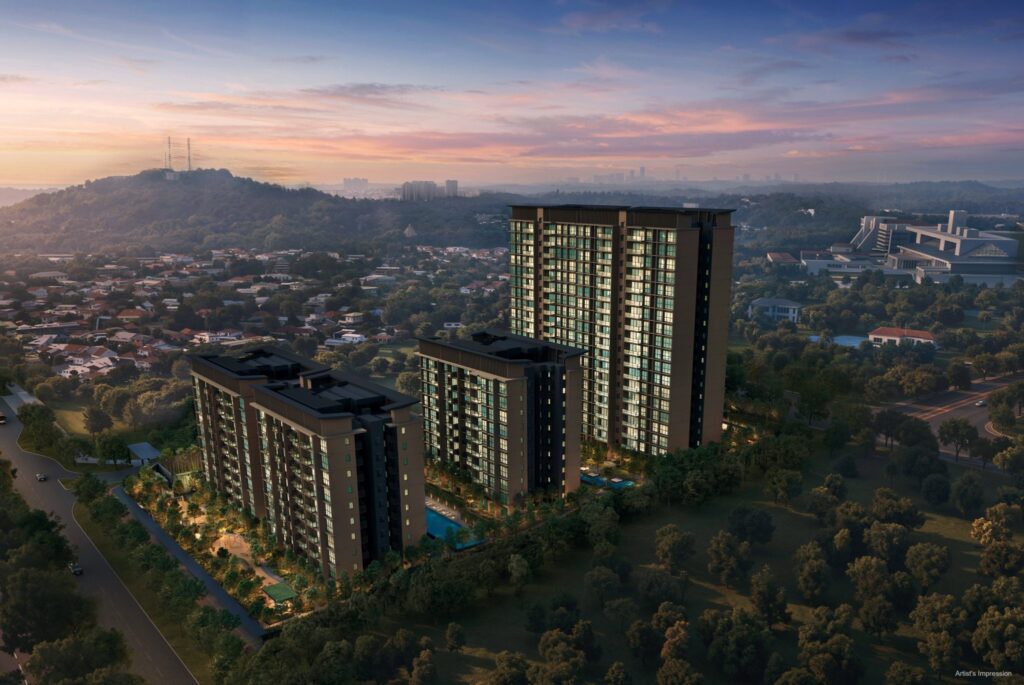
Many property investors view Singapore’s Core Central Region (CCR) as the ultimate destination for luxury real estate. High-end developments like the prestigious Lucerne Grand represent the pinnacle of prestigious living, drawing affluent tenants from across the globe. However, a common misconception persists that premium purchase prices automatically translate into high rental yields. In reality, the relationship between luxury property acquisitions and rental returns is complex. While CCR properties offer unmatched prestige and long-term security, calculating their true rental yield requires looking past the glossy marketing brochures. Understanding these dynamics helps investors make informed decisions when committing capital to prime districts.
The Premium Price Tag and Its Impact on Yields
The primary factor suppressing rental yields in the Core Central Region is the high entry price of prime real estate. When investors purchase a luxury condominium, they pay a significant premium for location, design, and exclusivity. For instance, boutique developments such as Dunearn House command premium pricing per square foot due to their highly coveted addresses and limited supply. While these properties attract high monthly rent, the initial capital outlay is so substantial that the gross rental yield often hovers between two and three percent.
This mathematical reality surprises many first-time luxury buyers. In suburban areas, lower purchase prices allow for higher yield percentages, even with lower monthly rental income. In contrast, a CCR property requires millions of dollars in upfront capital. Even if an investor secures an executive tenant willing to pay top dollar, the ratio of annual rental income to the purchase price remains relatively low. Furthermore, buyers must account for higher property taxes and maintenance fees associated with luxury developments. These ongoing expenses further erode the net yield, making it essential to calculate all holding costs before finalizing a purchase. Investors must realize that CCR yields are about wealth preservation rather than short-term cash flow.
Rental Demand Dynamics in Prime Districts
To understand CCR rental yields, one must analyze the specific demographics driving demand in prime districts. The tenant pool in central Singapore consists largely of expatriates, corporate executives, and wealthy foreign professionals. These individuals prioritize proximity to the Central Business District, international schools, and high-end lifestyle amenities. A development like Lucerne Grand appeals directly to this demographic by offering state-of-the-art facilities, concierge services, and seamless connectivity to major commercial hubs.
However, relying on foreign talent introduces specific vacancy risks that impact overall yield calculations. Corporate relocation policies fluctuate based on global economic conditions. During economic downturns, multinational corporations may reduce expatriate housing allowances, leading to longer vacancy periods for high-end rentals. A vacancy of just two months can drastically reduce an investor’s annual yield. Therefore, successful CCR landlords often price their units competitively rather than holding out for record-breaking rents. Maintaining a continuous tenancy with a reliable tenant is far more beneficial for long-term yield stability than chasing maximum rent at the cost of extended vacancy periods. Additionally, offering fully furnished units can attract immediate corporate leases, minimizing the downtime between tenancies.
Comparing Legacy Properties and New Launches
Within the CCR, rental yields can vary significantly between older, legacy developments and brand-new launches. Older properties often feature larger layouts, which are highly attractive to expatriate families who require extra living space. For example, established residences like Thomson Reserve offer generous square footage that modern developments rarely match. While these older units may require cosmetic renovations to appeal to modern tastes, their lower historical purchase price can result in surprisingly resilient rental yields when compared to newer, more expensive counterparts.
On the other hand, new launches command top-tier rents due to modern architectural designs, smart home integrations, and pristine facilities. However, these new units are often smaller, resulting in a higher price-per-square-foot ratio. Because the initial acquisition cost of a new launch is so high, the rental yield may actually be lower than that of an older, well-maintained development nearby. Investors must weigh the trade-offs between the lower maintenance costs of a new building and the spacious appeal of older legacy properties. Ultimately, the choice depends on whether the target tenant profile favors modern aesthetic touches or physical space, as both factors influence the final yield.
Capital Appreciation vs. Immediate Cash Flow
Focusing solely on rental yields misses the broader investment thesis for Core Central Region properties. Experienced investors rarely buy luxury condos in central Singapore expecting high monthly cash flow. Instead, they view these assets as vehicles for capital preservation and long-term capital appreciation. Over a ten-year horizon, prime properties in districts 9, 10, and 11 have historically shown strong capital growth, outpacing suburban developments in absolute dollar terms.
When analyzing a property like Lucerne Grand, the primary investment goal is the appreciation of the underlying land and building value. The rental income serves to offset the mortgage payments, property taxes, and maintenance fees while the asset appreciates. Similarly, properties like Dunearn House benefit from land scarcity in prime residential enclaves, ensuring their value remains resilient even during broader market corrections. When the time comes to divest, the capital gains realized from a CCR property often dwarf the accumulated rental yields. Therefore, investors should evaluate their portfolio goals; if immediate high-yield income is the priority, suburban properties are more suitable, but if wealth preservation and capital growth are the objectives, CCR remains unmatched.
Conclusion

Understanding the rental market in Singapore’s Core Central Region requires a realistic understanding of yield dynamics. While high-end properties do not typically offer the double-digit gross yields found in emerging markets, they provide unmatched stability, premium tenant profiles, and exceptional capital appreciation potential. Properties in prime districts serve as excellent long-term wealth preservation assets rather than quick cash-flow generators. By analyzing entry prices, understanding tenant demands, and maintaining realistic rental expectations, investors can successfully leverage CCR real estate to build lasting generational wealth. Balancing immediate yield expectations with long-term capital gains is the true key to achieving success in Singapore’s luxury property market.
