
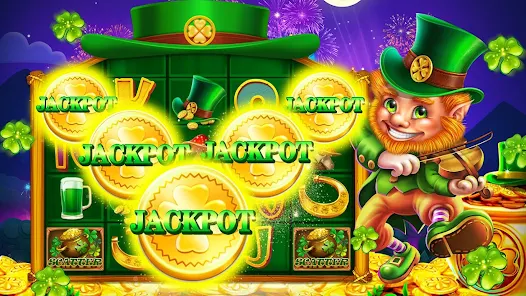
A quick pause in the day, a phone in hand, and a single tap is enough to start a round. The reels begin to spin, symbols blur, and within seconds the result appears. This is the core experience of slot games, one of the most widely played forms of online entertainment today. Their simplicity is exactly what makes them so familiar to millions of users around the world.
What Slot Games Are and Why People Play Them
Slot games are digital versions of classic spinning machines originally found in physical casinos. The concept is straightforward. Players spin reels filled with symbols, and when certain patterns appear, the game generates a result based on predefined rules.
There is no need for complex decision-making or long instructions. This ease of use is one of the biggest reasons for their popularity. A new player can understand the entire system within minutes, making it accessible to almost anyone.
Another reason people are drawn to slot games is variety. Modern versions come with different themes, visuals, and sound effects. Some are designed around adventure stories, while others focus on simple, classic designs. This diversity helps keep the experience fresh even when the mechanics remain the same.
How Slot Games Work Behind the Screen
Although the gameplay looks simple, slot systems operate using structured digital logic. Every spin is controlled by a random mechanism that determines the outcome. This ensures that each round is independent and unpredictable.
A typical session begins when a player selects a game and sets their wager. After pressing the spin button, the reels start moving. When they stop, the system checks for matching symbols across active lines to determine if a win has occurred.
Modern slot games often include additional features such as wild symbols, scatter symbols, and bonus rounds. These elements do not change the core simplicity of the game but add more variation and engagement during play.
Despite these features, the foundation remains the same: a simple spin, a short wait, and an unpredictable result.
The Shift from Traditional Machines to Online Platforms
Slot games originally existed as physical machines in entertainment venues. Over time, they transitioned into digital formats, allowing players to access them through computers and mobile devices.
This shift has made slot games far more accessible. Instead of visiting a physical location, users can now play from almost anywhere with an internet connection. This convenience has played a major role in the continued growth of online slot gaming.
Online platforms also improve the experience through faster performance, better visuals, and smoother navigation. Everything is designed to reduce waiting time and make gameplay more direct.
Digital accessibility is now a standard across many online services. For example, websites like สล็อต reflect how modern platforms focus on making information and services easy to reach without unnecessary complexity.
Responsible Use and Understanding the Game
While slot games are designed for entertainment, it is important to understand how they work. Each outcome is based on chance, and no system can predict or control the result of a spin.
Because of this, setting limits is important. Many users choose to define a budget or time frame before playing. This helps keep the experience balanced and prevents overuse.
It is also important to approach slot games with realistic expectations. They are created for entertainment purposes, where uncertainty is part of the experience. The enjoyment comes from the process, not from predictable outcomes.
Understanding this helps players engage with the games in a more controlled and informed way.
Conclusion
Slot games remain one of the simplest yet most widely enjoyed forms of online entertainment. Their appeal comes from easy gameplay, fast interaction, and the natural excitement of unpredictable outcomes.
As technology continues to develop, these games will likely become even more immersive and accessible. However, their core idea will stay the same: a simple action, a brief moment of anticipation, and a result driven entirely by chance.
