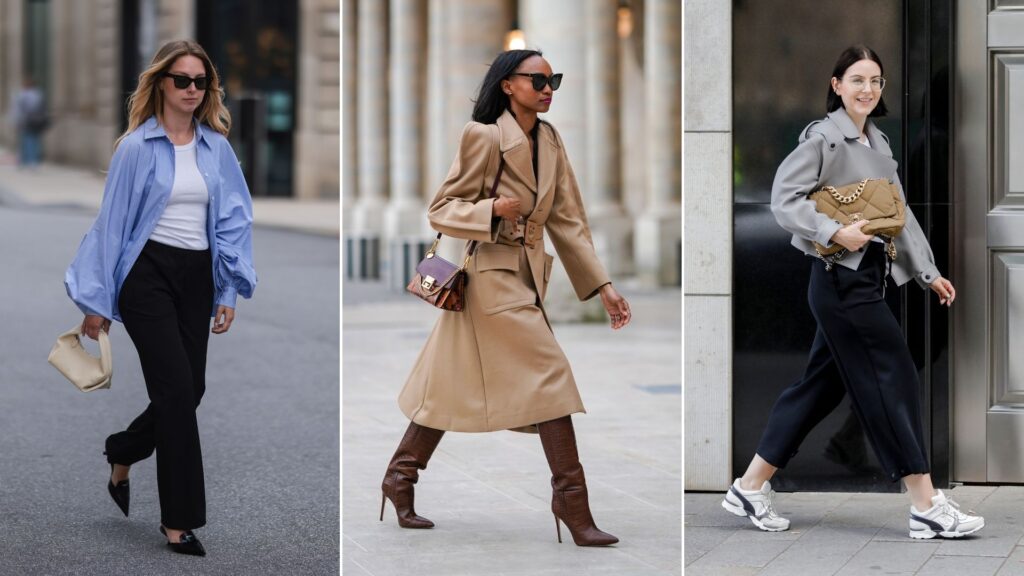
An outfit does not need many colours or noticeable details to feel considered. Texture can add depth to familiar combinations, while a small colour change can alter the mood of pieces you already wear. The useful starting point is observation: notice which surfaces look smooth, soft, crisp, or substantial, and how their colours behave beside one another. From there, you can make a few deliberate choices without complicating the whole outfit.
Choose one feature to lead
Start with the garment you most want to wear and identify what gives it character. It might have a strong colour, a visible pattern, or a particularly clear shape. Let that feature guide the surrounding pieces. If everything competes for attention at once, it becomes harder to appreciate the detail that attracted you to the first garment.
When looking through the Corteiz collection, think about whether a possible addition would lead an outfit or support one. That distinction can clarify what to pair with it. A statement piece may work best beside familiar, quieter clothing, while a simpler piece might provide a useful background for textures and colours already present in your wardrobe.
It can help to remove accessories while making this first decision. A watch, bag, hat, and shoes all add visual information, sometimes before you have settled the relationship between the main garments. Build the basic combination first, then return accessories one at a time. If an addition makes the outfit feel less clear, try leaving it out for the day. Editing is a practical styling choice, and it can reveal details that were previously lost among several competing elements.
Try texture within a limited palette
Working with a small group of related colours makes differences in surface easier to notice. A smooth layer and a visibly textured layer can feel distinct even when their shades are close. Try combinations you can inspect in ordinary daylight. Look at how the fabrics reflect light, where they hold their shape, and whether they create the level of contrast you enjoy.
Similar colours do not have to match exactly to belong in the same outfit. Small shifts can add interest, but check that the combination looks intentional to you. Place the pieces together before getting dressed, then view them as a complete outfit with shoes. A colour relationship that looks appealing on a bed can feel different once the garments occupy different proportions of the body.
Try comparing two outfits that use the same colours but different surfaces. One might combine similarly smooth fabrics, while another introduces a more visibly textured outer layer. Look at the result from several steps away as well as up close. Some details are noticeable only at close range, which may be exactly the subtle effect you want. Others change the whole outline. This comparison helps you decide how much texture suits your usual clothes without relying on abstract rules.
Use colour in manageable amounts
If you want to introduce a colour you rarely wear, start with an amount that feels comfortable. An accessory, an inner layer, or a small section of a patterned piece can provide a useful trial. Notice which existing shades help the new colour feel settled. You may discover an easy pairing without needing to build an entirely new group of clothes around it.
Repeat a colour when doing so helps connect separate parts of the outfit, but avoid treating repetition as a requirement. A small echo between a top and an accessory can be enough. Alternatively, let one colour stand alone as the focal point. The important decision is where you want attention to go and whether the rest of the combination supports that choice.
Remember that the area covered by a colour changes its impact. A bright accessory occupies less space than trousers in the same shade, even though the colour itself is identical. If a combination feels louder than expected, reduce the amount before abandoning the colour altogether. You can also change the neighbouring shades to alter the contrast. Experiment with what you own first so you can distinguish a colour you dislike from a particular arrangement that simply does not suit you.
Balance visual interest with everyday comfort
Texture affects how garments feel as well as how they look. Check whether a rougher surface catches on another layer, whether a substantial fabric becomes bulky at the waist, or whether several structured pieces restrict movement together. Walk and sit in the outfit before judging it complete. Attractive colour relationships are less useful when the clothing keeps demanding physical adjustment.
Take a quick photo of combinations you enjoy and record one reason each works. Perhaps two quiet colours allow a textured jacket to stand out, or a small accent makes a familiar outfit feel brighter. Those notes give you ideas to reuse without copying the same outfit exactly. Colour and texture become practical styling tools when you understand the relationships that suit your clothes, routines, and preferences.
Consider the setting where you will wear the outfit. Soft indoor light, strong daylight, and an evening venue can make colours and reflective surfaces appear different. You cannot control every environment, but a quick check in daylight gives you a useful baseline. Also think about practical contact between fabrics, such as a bag resting against a textured top. The most satisfying combination is one whose appearance and comfort remain easy to enjoy during the activities you have planned.
Run a small styling experiment
Select a familiar outfit and change just one element. Add a different textured layer, introduce a small accent colour, or replace a high contrast piece with a quieter one. Keep the footwear and other accessories the same for the comparison. This makes it easier to see which decision changes the result and whether you enjoy that change.
Take a photograph, then wear the combination long enough to judge its comfort. Notice whether the texture feels good against the other layers and whether the colour still appeals to you outside the mirror. Save the combinations you want to repeat, with a brief note about why they work. A personal reference built from ordinary outfits is more useful than a collection of rules you struggle to apply.
For further reading, visit Update Article. Your next practical step can be as simple as trying one familiar garment with a different neighbour. Small experiments give colour and texture a clear purpose while keeping the outfit grounded in what you enjoy wearing.