
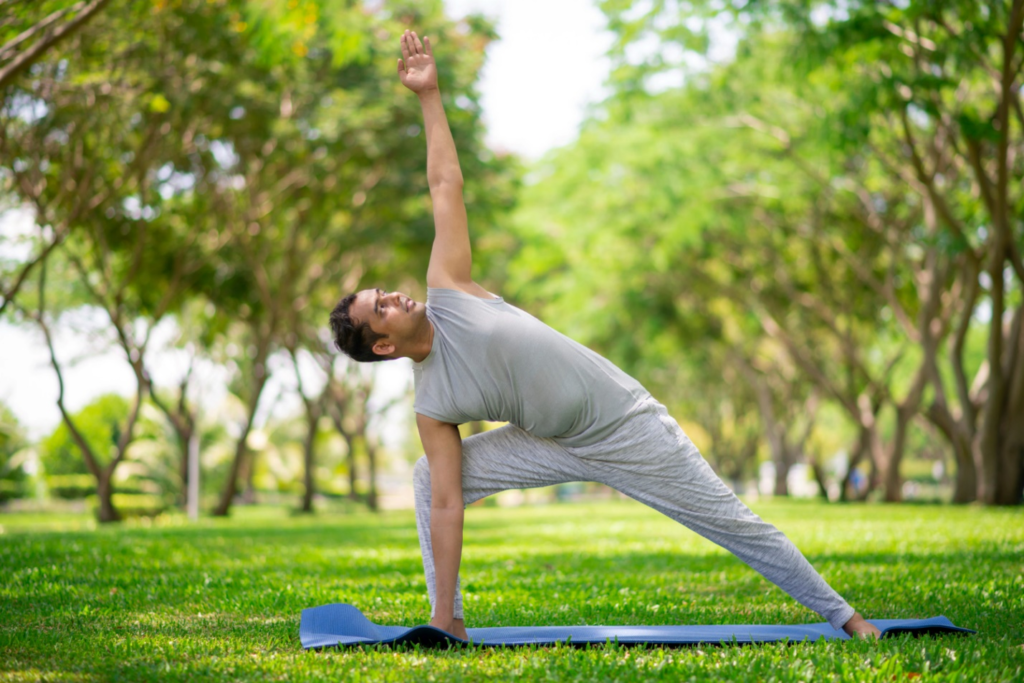
Stepping outside for your workout can be a refreshing change from your usual fitness routine. Even simple exercises like walking, cycling, or bodyweight workouts at a park, with fresh air and open spaces, can make exercise feel more enjoyable.
But there’s one catch: when doing outdoor workouts, you need to be prepared for the weather, uneven surfaces, and temperature shifts that can affect your comfort.
Here are some practical tips to stay comfortable while exercising outdoors.
1. Dress As Per the Weather
Before stepping outside, just take a quick look at the weather forecast. This will help you dress according to the weather conditions to work out comfortably.
On cooler mornings or windy days, you can wear light layers with hoodies for men or women that can be easily removed once your body warms up. They provide enough coverage without feeling too bulky.
2. Wear Breathable Fabrics
In warmer weather, choose clothes that allow air to circulate and help you stay cool. Instead of heavy fabrics, choose lightweight, moisture-wicking materials that dry quickly instead of holding on to sweat.
Fabrics blended with polyester and spandex feels comfortable and without clinging to your body during exercise. While cotton may sound good, avoid wearing thick cotton clothing for intense outdoor sessions, especially on hot or humid days.
3. Make Sure Your Footwear is Comfy
Outdoor surfaces are rarely as smooth as gym floors. You may come across uneven pavements, gravel paths, grass, or trails. The right pair of shoes can help you move with more confidence and keep you comfortable on different types of surfaces.
Choose shoes that provide good grip, cushioning, and support for the type of activity you’re doing. Comfortable footwear not only improves your workout but can also reduce the risk of slips and unnecessary strain on your feet.
4. Drink Enough Water
Many don’t realise but you lose a lot of body’s water while exercising outdoors, especially on sunny or humid days. So, carry a water bottle if you’re planning a longer workout. Instead of gulping huge amounts at once, take small sips to stay comfortably hydrated, without feeling heavy.
5. Use Sun Protection
Even if it feels country and pleasant, the UV rays can still penetrate from the clouds and damage your skin.
Always lather sunscreen before heading out and wear sunglasses if needed. As much as possible, exercise when it’s cool during the day. Early mornings or evenings are often better choices during hotter months.
6. Choose Flexible Clothes
Outdoor workouts often involve a variety of movements, from stretching and sprinting to jumping and strength exercises. Tight or stiff clothing can make these movements uncomfortable.
Choose workout clothes that stretch with your body and don’t restrict your movement. For higher-intensity sessions, you can get tank tops because they feel lightweight, improve airflow, and allow greater freedom of movement.
7. Pick Portable Exercise Equipment
If you’re carrying your workout equipment outdoors, try to keep it simple. Heavy gear can feel tiring even before your workout begins. Instead, choose lightweight options like resistance bands, a jump rope, or a yoga mat. They’re easy to carry, don’t take up much space, and let you exercise comfortably without adding extra weight to your bag.
8. Design Your Own Workout
One of the best perks of outdoor workouts is that you can be as creative as you want. Ditch the boring workouts and creatively use park benches for step-ups, stairs for cardio, or monkey bars for upper-body exercises.
You can even create a simple obstacle course by adding short sprints, lunges, crawling, or jumping. This way, the outdoor workout becomes enjoyable, challenges your body in new ways, and prevents boredom.
To Sum Up
If you’re planning to do outdoor workouts, being a little prepared can help a lot. This involves dressing for the weather, wearing breathable clothes, choosing the right footwear, staying hydrated, and carrying portable workout gear. Finally, create your own workout that you find enjoyable, so that you can stick to it in the long run.
