
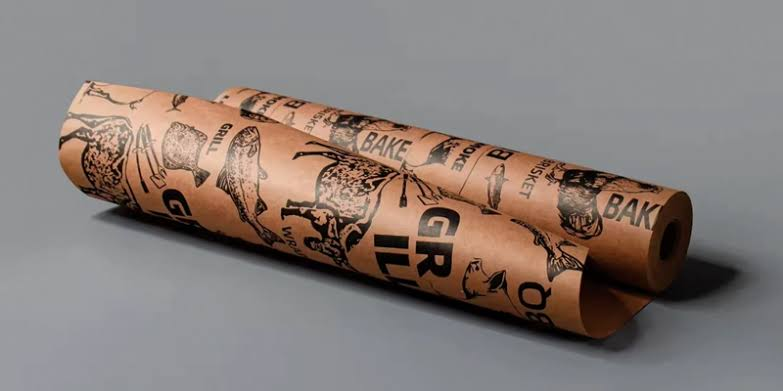
Presentation of food affects customer perception in the culinary setting. Food service packaging depends on the strengths of materials used and surface quality, where Custom Butcher Paper is used to withstand heat and to wrap with clean surfaces. Food companies rely on wrapping papers that retain a state of hygiene when handling and storing the food. The necessity to protect the surface and durability is also an essential consideration when choosing wrapping material to be used on meats and prepared foods in a commercial environment. Several facilities enhance wrapping and serving efficiency by using Butcher Paper in various wrapping and serving purposes. Branding presentation, customer experience, and operational consistency in the workflows of food packaging are influenced by material selection and operational consistency across the preparation counters and storage settings, where handling practices influence product quality perception in support of consistent packaging standards across the range of daily handling requirements in the context of food service operations.
Kitchen Flow
Food wrapping operations need to be carried out in a consistent sheet environment. Efficiency in the storage is enhanced because the material formats can be easily cut and positioned using the custom butcher paper sheets in preparation areas. Food handling stations have the advantage of having controlled coverage of surfaces, which minimizes the risk of contamination during slicing and wrapping activities. Stability in workflow consistency in commercial kitchens, where quick and clean preparation time is required, is aided by material consistency. Custom Butcher Paper with logo is usually incorporated into the operations standards in wrapping procedures to ensure that the paper covers the same area consistently when handling food. The workflows of preparation depend on controlled material use that aids in hygiene expectations in the food service areas and packaging activities in a consistent manner of handling. Clean handlers enhance the reliability of materials in daily kitchen operations and service areas’ uniformity.
Supply Chain
Distribution systems determine the availability and uniformity of packaging materials for commercial use. The bulk procurement models minimize the difference in costs when purchasing materials like the custom butcher paper wholesale to the food packaging supply chains. Supplier coordination influences the timing of delivery and the consistency of materials in the process of food service packaging. Operational planning provides continuity in the packaging resources in the retail and food preparation industries. Custom Butcher Paper is incorporated in the supply systems that are standardized to ensure consistency in the handling outcomes of packaging. The packaging material distribution in the food industry networks and service providers is determined by market demand. Effective logistics ensures the consistent availability of packaging that supports kitchen operations and presentation requirements of products in various service environments, with daily operations in many storage systems that involve flow control.
Cutting Use
The packaging processes require the uninterrupted material supply to accomplish effective food preparation operations. High-volume kitchens utilize standard forms of supply, like a butcher paper roll, in wrapping huge amounts of food. The wrapping of materials also fosters efficiency in operations as they enable fast processing at the busiest times. To ensure cleanliness and time efficiency, food preparation areas should have well-organized material management systems. Service stations use Custom Butcher Paper as part of wrapping habits to ensure the consistency of the working process. Material handling systems facilitate ongoing food packaging processes in commercial settings. The speed and hygiene in the preparation and serving areas of food are enhanced by efficient wrapping processes in daily usage control systems at the kitchen stations and packaging zones.
Roll Systems
The packaging systems need materials that are flexible in their material formats to enable them to handle the food efficiently. When wrapping large-scale food service operations, commercial kitchens enhance wrapping efficiency when a custom butcher paper roll is used. Material uniformity helps package at a faster rate and minimizes errors in handling the food preparation. Daily business processes rely on the continuous delivery of wrapping materials in order to ensure quality service. Custom Butcher Paper is used in food preparation stations to ensure that wrapping is of the same standard in day-to-day activities. Control systems in packaging enhance efficiency in commercial food operations and minimize wastage of materials. Wrapping processes involve organised material handling processes to provide uniform preparation and service delivery of food in all kitchen settings and service counters that uphold operational efficiency and hygiene requirements in daily use control systems.
Surface Tone
The quality of presentation and efficiency in handling food within service settings is affected by food wrapping materials. Rustic styles of packaging make use of brown butcher paper in the presentation of the food and as protective wrapping. The appearance of the material influences the perception of freshness and cleanliness in the prepared food setting by the customers. The texture of the packaging and color determine branding consistency in the food service operations. The Food service design incorporates Custom Butcher Paper in wrapping processes to ensure presentation quality. The operational packing decisions impact efficiency and appearance of handling and products in the commercial kitchens. Surface and color of materials aid in consistent presentation in food preparation and service facilities throughout kitchen operations, as well as serving areas that uphold product quality perception and control daily use level with consistency in the level of flow of the control system.
Service Logic
The control of materials and their accuracy in handling in service settings determines the performance of food packaging. The operational systems will aid in the uniform wrapping of food throughout the commercial preparation space. Material efficiency enhances the speed at which the work is done and ensures hygiene standards in the preparation of food. The quality of packaging systems affects the consistency and presentation of food service operations. Material management procedures enhance productivity at the commercial kitchens and food preparation areas. Service environments entail a systematic flow of work to achieve packaging consistency and quality products. Operational handling systems are used to maintain consistency in food preparation and packaging activities at service counters and kitchen stations, with a constant balance of output and workflow,with appropriate material usage practices that promote hygienic and efficient standards in the daily flow of operational activities.
Conclusion
The packaging practices affect the food quality perceptions in service environments. In Custom boxes wholesale used in food preparation processes, material consistency contributes to the operational efficiency. Organized processing enhances reliable packaging and preserves hygiene in commercial kitchens. Operational systems make workflow more consistent and aid in the quality of food service performance. The choice of materials influences the stability of presentation and enhances efficiency in the packaging processes. Service environments are based on controlled working processes and the standard practice of material use. An effective packaging system ensures food processing and service delivery consistency in the areas of operations and hygiene in the kitchen and serving areas in support of operational stability and hygiene control of daily system-level control flow.
