
Your kidneys function tirelessly daily. They filter nearly 200 quarts of blood. Most people pay no heed to their functioning until some issue arises. Besides removing waste from your body, these two small organs perform many other functions. They help control blood pressure. They also help start the making of new red blood cells. The tough part is that kidney disease can build up without you knowing. There are often no signs until the damage is already done.
If you want to know more about nephrology in san antonio, you may feel that just basic health tips are not enough. Once you understand the function of your kidneys, it is much simpler to recognize when you should consult an expert.
What Your Kidneys Are Really Doing
Each of your kidneys is composed of millions of units known as nephrons. These nephrons take waste out from the stuff your body needs. The waste leaves your body as urine. The things your body can use go back into your blood. Kidney produces Erythropoietin. This hormone stimulates the production of red blood cells in the bone marrow.
However, problems can occur due to malfunctioning kidneys. This is because waste can accumulate in the blood. Blood pressure can be harder to keep steady. Some people may get weak bones as time goes on. Doctors use a blood test called eGFR to check this. This test shows how well your kidneys filter.
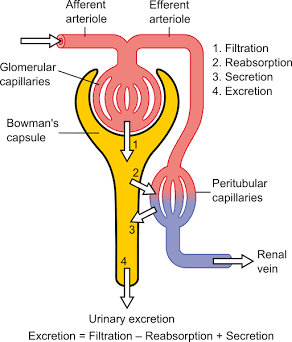
The internal mechanics of blood filtration inside the nephron. Source: Wikipedia
Warning Signs Worth Paying Attention To
Because kidney disease in early stages does not cause pain, the signs are easy to miss.
- Swelling in the ankles, feet, or hands, with no clear reason for it.
- Urination changes — you may go more at night, notice foamy pee, or see that it is darker than usual.
- Exhaustion and brain fog are possible symptoms that arise from having too many toxins in your body for it to get rid of.
These conditions on their own will not cause you to have kidney disease, but when combined together, it is wise to consult your doctor.
When You Need to Consult Your Specialist
Your primary doctor has several ways of examining your kidneys. But there are times when you need to see a kidney specialist for more help:
- eGFR stays below 60, and this means Stage 3 CKD or later.
- Blood pressure that will not go down even when you take many medicines.
- Ongoing electrolyte problems — when potassium, sodium, or phosphorus is not at the usual level.
Diabetes and high blood pressure that goes on for a long time are some of the top reasons the kidneys start to work too hard. A nephrologist makes a plan for the person. This plan helps keep blood pressure in check. It might also have changes to medicine and food choices. The goal is to slow down the disease, instead of just dealing with what happens from it.
What Ongoing Specialist Care Looks Like
Good kidney care is not just about one visit. It is an association between doctor and patient that develops throughout the treatment process. Clinics that specialize in nephrology in san antonio use imaging, lab tests, and medicines to assess how your kidneys work. This will be achieved through following your results and adjusting the treatment process accordingly.
Frequently Asked Questions
What is the difference between a nephrologist and a urologist?
A nephrologist specializes in internal organs and chronic diseases. Urologists provide surgical procedures and help with the anatomy of the urinary system.
Why does high blood pressure cause kidney problems?
High levels of pressure put strain on the tiny blood vessels of the nephron. Therefore, it causes scarring of the tissues and makes it impossible for blood to pass through.
Are kidney problems curable?
Temporary injuries may be reversed. However, chronic problems will leave you with irreversible changes. Therefore, you need to manage them all the time rather than try to cure them.
Which dietary modifications are really beneficial?
Reduction of sodium intake is the initial recommendation. Your physician will advise you to make changes in protein intake, phosphorus intake, or potassium intake, based on your laboratory results.
The Next Step
The state of your kidneys requires that you be attentive even when you do not experience any symptoms. You need to learn about the warning signs. Also, you need to be aware of the time when you require not only general medical consultation but also consultation with a specialist.
