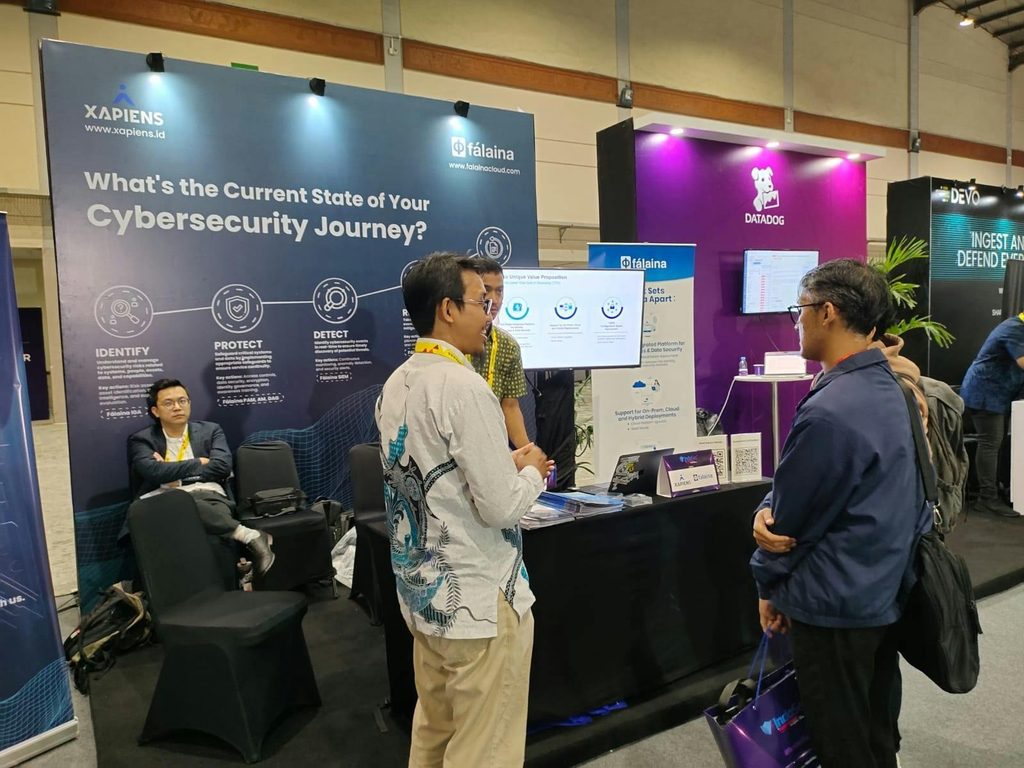
A single exposed account, misconfigured application, or unsecured integration can reveal information across an entire business network. As organizations connect cloud platforms, internal applications, employee devices, and external providers, protecting data becomes more complicated. Security teams must understand where information travels, who can access it, and how each connection affects exposure. Discussions at a cyber security & data protection summit can help professionals explore practical approaches to securing interconnected environments. Effective protection starts with visibility and continues through access control, monitoring, and consistent risk assessment.
Understanding How Data Exposure Spreads Across Systems
Connected systems allow employees and applications to exchange information efficiently, but every connection can introduce potential weaknesses. Data may move between customer databases, cloud storage, payment applications, analytics tools, and supplier platforms. If one component has weak access controls, attackers may exploit that weakness to reach information stored elsewhere.
Exposure can also occur without a direct attack. Excessive permissions, incorrect sharing settings, outdated software, and poorly configured integrations may make confidential information accessible to unintended users. Organizations need to examine complete data journeys rather than protecting each application in isolation. Understanding these relationships helps security teams identify weak points before they lead to larger incidents.
Common Causes of Data Exposure
Before selecting security tools, organizations should identify the weaknesses most likely to expose sensitive information.
- Excessive user permissions and inactive accounts
- Misconfigured cloud storage and application settings
- Unsecured application programming interfaces
- Weak controls over third-party access
- Inadequate monitoring of data transfers
These weaknesses can overlap, allowing a small configuration error to create broader exposure. Reviewing systems together helps organizations prioritize corrective action according to potential business impact.
Practical Measures for Protecting Connected Environments
Preventing data exposure requires coordinated safeguards across users, applications, infrastructure, and external relationships. A cyber security & data protection summit can provide a setting for examining how security professionals address these interconnected challenges, but organizations must translate useful insights into policies and controls suited to their own environments.
1. Map Data Flows and Sensitive Assets
Organizations should identify where sensitive information originates, where it is stored, and which applications or providers receive it. Data-flow maps reveal unexpected transfers, unnecessary copies, and connections that may lack appropriate safeguards. Classifying information by sensitivity helps teams apply stronger protection to confidential records while maintaining appropriate access for legitimate business activities.
2. Apply Least-Privilege Access
Employees and applications should receive only the permissions necessary to perform their assigned functions. Role-based access controls, multifactor authentication, and periodic permission reviews reduce opportunities for unauthorized access. Organizations should also review service accounts and automated identities because these connections can retain permissions long after their original purpose changes. Promptly removing unnecessary access limits potential damage when credentials are compromised.
3. Secure Integrations and APIs
Applications frequently exchange information through APIs and automated integrations. Weak authentication, excessive permissions, and exposed credentials can make these connections attractive targets. Security teams should authenticate requests, restrict permitted actions, protect credentials, and monitor unusual traffic. Testing integrations before deployment and reviewing them after significant changes helps prevent vulnerabilities from spreading across connected services.
4. Strengthen Third-Party Controls
External providers may process customer records, maintain infrastructure, or access internal applications. Organizations should understand what information each provider can access and establish security requirements before granting permissions. Contracts, vendor assessments, restricted accounts, and periodic access reviews help reduce unnecessary exposure. When a relationship ends, associated credentials and permissions should be revoked promptly.
5. Monitor Data Movement Continuously
Security monitoring should identify unusual downloads, unexpected transfers, suspicious login patterns, and changes to sensitive permissions. Data loss prevention tools can help detect or restrict unauthorized movement of protected information. Alerts must be reviewed within clear response procedures so teams can investigate suspicious activity, contain potential exposure, and preserve relevant evidence. Regular testing helps confirm that monitoring remains effective as systems change.
Building Security Into Everyday Operations
Technical controls work best when supported by clear procedures and employee awareness. Staff should understand which information can be shared, which applications are approved, and how to report suspicious activity. Practical training can explain common risks, such as sending confidential files to the wrong recipient or granting broad permissions to simplify collaboration. Clear guidance makes secure behavior easier to follow.
Organizations should also include security reviews in procurement, application development, and system changes. Teams introducing new services need to assess data access, storage locations, authentication, and integration requirements before launch. Regular reviews help identify outdated permissions and undocumented connections that may emerge as business processes evolve. Security becomes more effective when it is incorporated into routine decisions instead of added after problems appear.
Responding Effectively When Exposure Occurs
Even well-protected environments can experience incidents, so organizations need a response plan to limit exposure, secure compromised accounts, isolate affected systems, and identify accessed data. After an incident, teams should address the root cause, check for similar vulnerabilities, document findings, and verify corrective actions. Legal and regulatory teams should also assess notification requirements where applicable, helping organizations strengthen security and prevent similar incidents.
To maintain consistent protection, organizations should prioritize four ongoing practices:
- Review access permissions and sensitive data inventories.
- Test integrations and cloud configurations regularly.
- Investigate unusual transfers and account activity.
- Update response plans after system changes or incidents.
These practices support continuous oversight as applications, suppliers, and business requirements change. Regular evaluation helps security teams detect weaknesses earlier and maintain confidence in how information is protected.
Conclusion
Preventing data exposure across connected systems requires visibility into data flows, carefully controlled access, secure integrations, reliable monitoring, and tested response procedures. Organizations should assess how information moves between people, applications, and external providers instead of treating each system as an isolated environment. Consistent reviews help reduce unnecessary exposure and strengthen operational resilience.
For professionals seeking practical insights into enterprise protection and emerging security challenges, IndoSec Summit brings together cybersecurity practitioners, industry specialists, and decision-makers to discuss cloud security, identity protection, data privacy, and cyber resilience. Its agenda creates opportunities to examine evolving risks and exchange approaches to protecting complex digital environments. Professionals exploring a cyber security conference can consider how these discussions support stronger data protection practices and more informed security planning.