
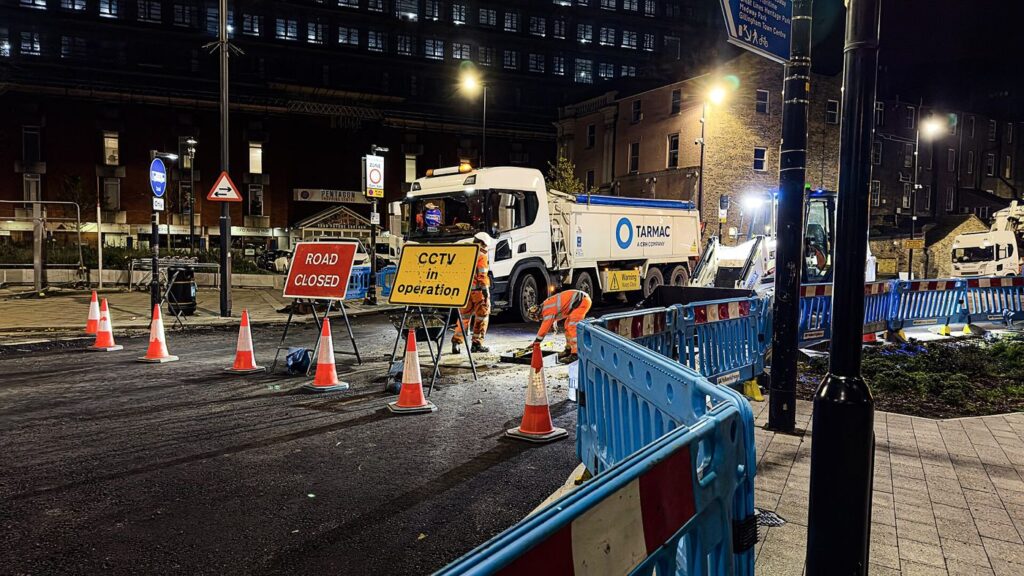
Main roads are being resurfaced overnight in a programme designed to repair worn surfaces without bringing daytime traffic to a standstill. Highways teams say working through the night costs more in lighting and staffing, but it avoids the long queues, missed appointments and frustrated bus passengers that daytime closures can cause on the busiest routes. The work focuses on stretches where potholes, cracked patches and polished surfaces have built up after years of heavy use and wet weather. Residents near the sites are receiving letters explaining the schedule, likely noise and the nights when access will be managed by marshals. Businesses that trade late have been consulted so deliveries and shift changes can continue safely around the machinery. Engineers say a fresh, even surface is not just cosmetic: it drains better, grips better in the rain and should need fewer emergency repairs through the winter. Once each stretch reopens at dawn, drivers are being asked to respect temporary speed advice while markings and final checks are completed over the following days.
What the Evidence Shows
Planners behind the overnight road resurfacing programme say the sequence of streets matters, because closing the wrong combination of routes on the same night could trap whole neighbourhoods. Diversions are being signed well in advance, and bus companies receive the plans early so stops and timetables can be adjusted. Crews work in a rolling pattern of planing, laying and rolling the new surface, with inspectors checking levels before the road reopens. Noise is kept under review, and the loudest tasks are scheduled as early in the night as conditions allow. Highways teams are publishing a simple progress map so residents can see which roads are finished and which are still waiting. Any defects found in the first weeks will be corrected under the same contract, rather than joining a long repair list. Drivers who use the routes daily should notice the difference quickly: fewer rattles, clearer markings and a surface built to last. Reporting and analysis from sources such as Associated Press track the same developments, and specialists following overnight road resurfacing programme say the direction is now consistent across independent lines of evidence.
The Wider Context
Regional and local reporting on overnight road resurfacing programme often tells a different story from national coverage, because the effects land unevenly: one town’s pilot is another’s distant proposal. Analysts who follow the subject full-time read the local data first, arguing that national averages conceal the variation that decides whether a policy or a project deserves to spread.
What Happens Next
The longer story of overnight road resurfacing programme is still being written by the people closest to it, whose experience rarely matches the earliest predictions of either supporters or critics. Reporting will continue to follow the evidence as it accumulates, including where it complicates today’s account. That is the deal serious coverage makes with its readers, and it holds for this subject as for any other. You can follow related developments in our coverage of news.
It is also worth remembering how quickly the picture in this area has changed before. Positions that looked settled a few years ago have been revised as new data arrived, and the same humility is appropriate now. The strongest coverage of this subject, and the most useful advice, tends to come from sources that update their views openly when the facts move, rather than defending an earlier position long after it has stopped fitting the evidence available.
