
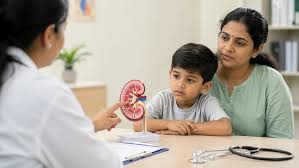
Children often experience health concerns that may appear minor at first but can sometimes indicate deeper medical conditions requiring specialized care. Urinary and kidney-related issues in children are commonly overlooked because symptoms may not always be obvious. Many parents initially search online for the best urologist near me when repeated urinary symptoms, discomfort, or unusual physical changes begin affecting their child’s daily routine.
Pediatric urology focuses on diagnosing and managing conditions related to the urinary tract, bladder, kidneys, and reproductive organs in children. Early medical attention is important because untreated urological problems may lead to infections, kidney complications, or long-term bladder dysfunction.
Understanding the warning signs can help parents seek timely medical evaluation and support better health outcomes for their children.
Why Pediatric Urology Care Matters
Children have different anatomical and developmental needs compared to adults. Their urinary systems continue to develop as they grow, which means symptoms must be evaluated carefully according to age and growth patterns.
Pediatric urology specialists are trained to identify conditions that may not be easily recognized during routine medical evaluations. Early diagnosis often improves treatment success and helps avoid future complications.
1. Frequent Urinary Tract Infections (UTIs)
Recurring urinary tract infections are one of the most common reasons children are referred to a pediatric urologist for kids specialists. While occasional infections can occur, repeated UTIs may indicate an underlying structural or functional issue within the urinary system.
Common symptoms include:
- Burning sensation during urination
- Fever without a clear cause
- Foul-smelling urine
- Lower abdominal pain
- Increased frequency of urination
Repeated infections can sometimes affect kidney health if left untreated. Specialists may recommend imaging studies or urine tests to identify the root cause.
2. Bedwetting Beyond the Expected Age
Occasional bedwetting is normal in younger children, but persistent nighttime wetting after a certain developmental stage may require medical evaluation.
Several factors can contribute to this issue, including:
- Bladder control delays
- Deep sleep patterns
- Hormonal imbalance
- Urinary tract abnormalities
- Constipation-related bladder pressure
A pediatric urology assessment can help determine whether the condition is developmental or linked to an underlying medical concern.
3. Pain or Difficulty During Urination
Children may struggle to explain urinary discomfort clearly, making it important for parents to observe behavioral signs such as crying during urination, avoiding bathroom visits, or expressing fear of urinating.
Painful urination may result from:
- Infections
- Urinary obstruction
- Inflammation
- Kidney stones
- Bladder irritation
Ignoring these symptoms may worsen discomfort and increase the risk of complications.
4. Unusual Urine Color or Blood in Urine
Blood in urine, medically known as hematuria, should never be ignored. Even small traces may indicate kidney issues, infections, injuries, or urinary tract abnormalities.
Urine that appears cloudy, dark, or unusually colored may also suggest dehydration, infection, or underlying kidney concerns.
Parents should seek medical attention promptly if they notice persistent changes in urine appearance.
5. Swelling in the Abdomen or Groin Area
Swelling around the lower abdomen, groin, or genital area may signal conditions such as hernias, hydroceles, or undescended testicles.
These conditions are relatively common in children and often require careful medical evaluation. Some cases resolve naturally, while others may require surgical correction to prevent future complications.
Visible swelling accompanied by pain or fever should be evaluated urgently.
6. Weak Urine Flow or Difficulty Emptying the Bladder
A child who struggles to urinate properly or takes unusually long bathroom visits may have bladder dysfunction or urinary obstruction.
Warning signs include:
- Weak urine stream
- Dribbling urine
- Straining during urination
- Feeling unable to empty the bladder completely
These symptoms may affect bladder health over time and should be evaluated by a specialist.
7. Daytime Accidents After Toilet Training
Children who suddenly begin experiencing daytime urinary accidents after successful toilet training may have underlying bladder or urinary issues.
Potential causes include:
- Urinary infections
- Overactive bladder
- Emotional stress
- Constipation
- Neurological concerns
In many cases, proper medical evaluation helps identify manageable causes and appropriate treatment plans.
8. Kidney Stones in Children
Although kidney stones are often associated with adults, children can also develop them due to dehydration, dietary factors, metabolic conditions, or family history.
Symptoms may include:
- Severe abdominal or back pain
- Nausea or vomiting
- Blood in urine
- Frequent urination
- Pain while urinating
Specialized pediatric care is important because kidney stones in children may require long-term monitoring and preventive management.
9. Congenital Urinary Abnormalities
Some children are born with structural abnormalities affecting the kidneys, bladder, ureters, or reproductive organs. These conditions may sometimes be detected during prenatal ultrasounds or shortly after birth.
Examples include:
- Vesicoureteral reflux
- Hypospadias
- Ureter obstruction
- Undescended testes
A qualified urologist for kids can help evaluate these conditions early and recommend appropriate treatment or monitoring strategies to support healthy development.
10. Persistent Lower Back or Side Pain
Kidney-related discomfort may appear as pain in the lower back, sides, or abdominal region. Persistent pain accompanied by fever, urinary changes, or fatigue should not be ignored.
While occasional pain may result from muscle strain or minor illness, recurring discomfort may indicate kidney infections, urinary blockage, or stone formation.
Medical evaluation helps identify the underlying cause and prevents future complications.
The Importance of Early Pediatric Urology Care
Children’s urinary health plays a major role in overall growth, comfort, and development. Delayed diagnosis can sometimes lead to recurring infections, kidney damage, emotional stress, or long-term bladder complications.
Regular medical evaluations and timely specialist consultations help ensure that children receive the right care at the right stage. Parents should never ignore recurring urinary symptoms or assume children will simply “outgrow” persistent problems without evaluation.
Conclusion
Recognizing early warning signs of pediatric urological conditions can make a significant difference in a child’s long-term health and quality of life. From recurring infections and bedwetting to structural abnormalities and urinary discomfort, timely medical attention helps improve diagnosis, treatment, and recovery outcomes for growing children.
If you are looking for specialized pediatric healthcare support, Ankura Hospital is widely recognized as one of the best women and child hospital offering advanced medical care for women, newborns, and children. With experienced specialists, child-focused treatment approaches, and modern healthcare infrastructure, Ankura Hospital continues to support families with comprehensive pediatric and urology-related healthcare services designed around children’s unique developmental needs.
