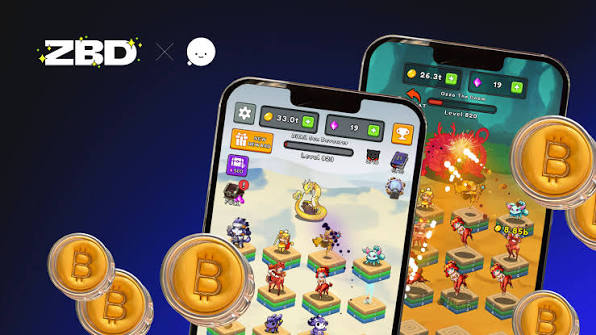
A Broad Collection of Online Game Experiences
The modern online entertainment landscape offers players an increasingly broad selection of digital games designed around different interests, visual styles, and gameplay preferences. The appeal of zbet can be considered within this wider environment, where variety plays an important role in keeping users interested and engaged. Rather than relying on a single style, contemporary platforms can feature multiple categories that provide different forms of interaction, from fast-paced challenges and strategy-focused activities to casual games built around simple controls. A diverse collection allows players to move between experiences according to their mood and available time. Some users may prefer colorful themes and straightforward mechanics, while others may look for more detailed environments and progressively challenging objectives. This flexibility creates an entertainment environment where variety becomes a central feature. Clear menus, organized categories, responsive interfaces, and accessible navigation can further improve the overall experience by helping players locate suitable titles without unnecessary complexity.
Key Features of a Diverse Collection
- Multiple themes can appeal to different player interests.
- Varied gameplay formats can provide different levels of challenge.
- Organized categories can make browsing simpler and more convenient.
Diverse Themes Designed Around Different Interests
Themes have a significant influence on how an online game feels from the moment a player encounters it. Developers can use imaginative settings, colorful artwork, atmospheric backgrounds, characters, and distinctive visual concepts to create recognizable experiences. Popular themes may include fantasy worlds, futuristic environments, adventure journeys, nature-inspired settings, traditional designs, and abstract visual styles. Having several themes available gives users an opportunity to select experiences that match their personal preferences rather than repeatedly encountering the same presentation. Audio effects and animation can also contribute to the atmosphere when they are carefully integrated with the gameplay. Good thematic design does not need to overwhelm the player; instead, it can support the mechanics and make individual titles easier to distinguish. For platforms containing many games, recognizable themes can also make browsing more enjoyable because users can quickly identify the type of experience they want. This combination of visual variety and practical organization helps create a more dynamic digital entertainment environment.
Examples of Theme Variety
- Fantasy-inspired settings can create imaginative environments.
- Futuristic designs can appeal to players interested in modern visual concepts.
- Adventure and nature themes can offer a more relaxed presentation.
Challenges That Add Engagement to Gameplay
Challenges are another important component of online games because they provide objectives that encourage players to remain focused on the activity. A well-designed challenge can range from simple tasks that require quick decisions to more complex objectives involving timing, planning, pattern recognition, or careful resource management. Different difficulty levels can make games more approachable for newcomers while still giving experienced users opportunities to test their abilities. Progression systems can also introduce additional objectives as players become familiar with the basic mechanics. Instead of presenting every feature immediately, a game may gradually introduce new elements, creating a sense of development throughout the experience. Timed activities, achievement targets, score-based objectives, and progressive stages are examples of structures that can make gameplay feel more active. Importantly, challenges should remain understandable and consistent so players can recognize what is expected of them. Clear instructions and responsive controls help ensure that difficulty comes from the gameplay itself rather than from confusing design.
Common Challenge Elements
- Timed objectives can encourage quick and careful decisions.
- Progressive stages can introduce increasing levels of complexity.
- Achievement targets can give players additional goals to pursue.
Simple Controls and Accessible Player Interaction
Accessibility is an important consideration for modern online games, particularly as many users access digital entertainment through smartphones and tablets. Responsive interfaces can allow players to interact with games using taps, swipes, buttons, or other familiar controls. A simple interface reduces unnecessary distractions and allows users to concentrate on the actual gameplay. Mobile-friendly layouts are especially useful when screens are smaller because important menus and controls need to remain easy to identify. Loading performance can also influence the overall experience, as long delays may interrupt a player’s session. Compatibility across different screen sizes can make the platform more flexible for users who switch between desktop and mobile devices. Another useful feature is straightforward navigation between game categories, account areas, settings, and other sections. When these elements are arranged logically, players can spend less time searching for functions and more time enjoying their chosen activities. Accessibility therefore depends not only on game mechanics but also on the quality of the surrounding interface.
Accessibility Considerations
- Touch-friendly controls can improve smartphone interaction.
- Responsive layouts can adapt to different screen dimensions.
- Clear navigation can reduce unnecessary steps between sections.
Player Rewards and Progress-Based Features
Rewards can provide another layer of engagement by recognizing progress and giving players additional objectives. In digital games, rewards may take different forms depending on the design of the individual title. Achievement badges, progress markers, points, unlockable features, virtual items, or access to additional stages can all function as forms of recognition. A balanced reward structure should make accomplishments feel meaningful without making the experience overly complicated. Progress indicators are particularly useful because they help players understand how far they have advanced and what objectives remain. Some games may also use daily tasks or rotating challenges to introduce fresh activities over time. From a design perspective, rewards are most effective when they complement the core gameplay rather than distract from it. Players should be able to understand the relationship between their actions and the progress they achieve. Transparent presentation is equally important because users should know what an achievement represents and what conditions are associated with it. This clarity contributes to a more predictable and enjoyable experience.
Reward Features Players May Encounter
- Achievement systems can recognize completed objectives.
- Progress markers can show advancement through different stages.
- Unlockable content can introduce additional gameplay elements.
Navigation, Performance, and Overall Convenience
A strong online gaming experience depends on more than the games themselves. Navigation, page organization, performance, and consistency can have a substantial influence on convenience. Players generally benefit when categories are clearly labeled and frequently used features are easy to reach. Search functions, filters, and concise game descriptions can also reduce the time required to identify suitable activities. Performance is another important factor, particularly for users relying on mobile connections or devices with limited resources. Smooth transitions and responsive controls can make interaction feel more natural, while efficient page structures can reduce interruptions. For More: zbet88.cx can be included as an external reference phrase, but players should always consider the reliability, security, and terms associated with any online service before interacting with it. Responsible digital habits include protecting account credentials, using secure connections, understanding applicable rules, and avoiding unnecessary sharing of personal information. These considerations help create a safer and more informed approach to online entertainment.
Convenience and Responsible Use
- Clear menus can make game discovery more efficient.
- Responsive performance can support smoother sessions across devices.
- Secure account practices can help protect personal information.
Social Interaction and Evolving Online Entertainment
Online games can also provide opportunities for interaction and competition, depending on the features offered by individual titles. Leaderboards, achievement comparisons, shared challenges, multiplayer modes, and community-oriented functions can create a stronger sense of participation. These features may encourage players to develop skills, compare progress, or participate in activities with friends and other users. At the same time, a good digital entertainment environment should give users control over their participation. Not everyone wants competitive interaction, so offering different gameplay formats can make a platform suitable for a wider audience. Technology is also influencing the way online games are presented, with developers increasingly focusing on responsive design, richer visuals, faster interfaces, and experiences that work across several devices. Future developments may introduce more personalized recommendations, adaptive challenges, and innovative interactive features. However, the most successful experiences are likely to remain those that balance innovation with simplicity. New features are valuable when they improve the player’s experience rather than making basic interaction unnecessarily complicated.
Interactive Possibilities
- Leaderboards can provide optional competitive objectives.
- Multiplayer functions can encourage shared experiences.
- Personalized features may help users discover suitable activities.
Conclusion: The Lasting Appeal of Diverse Online Games, Engaging Challenges, Accessible Features, and Meaningful Player Rewards
The appeal of modern online games comes from the combination of variety, accessibility, engaging challenges, attractive themes, and well-structured progress systems. A diverse collection gives players freedom to select experiences that fit their interests, while different challenge levels can provide objectives for both casual and experienced users. Thoughtful visual design helps establish atmosphere, whereas responsive controls and organized navigation make interaction more convenient across different devices. Reward systems can add motivation by recognizing achievements and giving users clear progress markers without taking attention away from the core experience. Social and competitive features can provide additional possibilities for users who enjoy interaction, while flexible options allow others to focus on individual gameplay. Ultimately, a strong online entertainment platform is built around balance: games should be interesting without becoming unnecessarily complicated, interfaces should be accessible without sacrificing useful functionality, and reward structures should encourage engagement while remaining clear and responsible. As digital entertainment continues to evolve, platforms that combine diverse themes, meaningful challenges, smooth accessibility, and thoughtful player-focused features can remain appealing to a broad range of users.