
Why Cats Vomit Undigested Food and When Veterinary Care Is Needed
Introduction
Seeing your cat vomit soon after eating can be worrying, especially when the food looks almost exactly as it did in the bowl. Although an occasional episode may happen because a cat eats too quickly, repeated vomiting can point to an underlying health problem that needs attention. Understanding why cats vomit undigested food helps pet owners recognize warning signs and make informed decisions about their cat's health. Possible causes include eating habits, food sensitivity, digestive problems, hairballs, and certain medical conditions. Knowing when to seek professional help is especially important because cats can become dehydrated or develop serious complications when vomiting continues. HERO Veterinary supports better pet health through specialized veterinary solutions, research, and a commitment to animal welfare. While every cat has different needs, learning about common symptoms and appropriate veterinary care can help you protect your pet's comfort and long-term well-being.
Understanding Why Cats Vomit Undigested Food
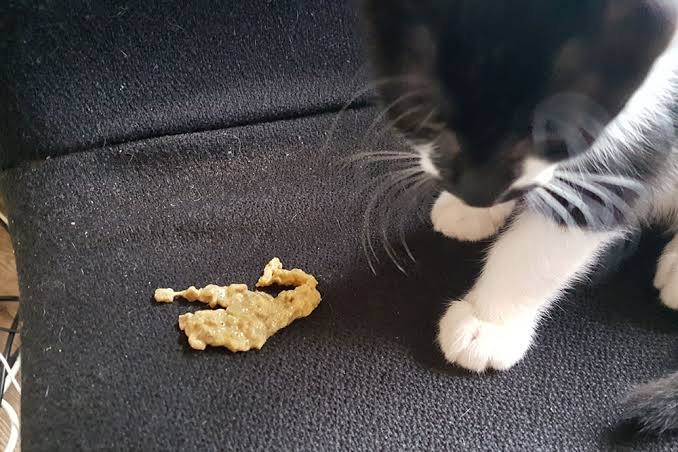
When a cat brings up food that appears undigested, the first step is to understand what happened before the episode. Sometimes, a cat may eat too quickly, swallow large pieces of food, or consume more than its stomach can comfortably handle. In these cases, food may return shortly after a meal without being fully digested. However, what looks like vomiting may actually be regurgitation, which is different. Vomiting usually involves active abdominal contractions, nausea, and sometimes drooling or repeated swallowing. Regurgitation often happens suddenly, with little effort, and the expelled food may look like a tube or retain its original shape. Knowing the difference can help you explain your cat's symptoms to a veterinarian.
The timing and appearance of the episode can provide useful clues, but they cannot confirm a diagnosis on their own. For example, a cat that brings up food shortly after eating may have a feeding-related issue, while repeated episodes over several days may suggest a digestive condition or another health problem. Some cats also vomit after swallowing hair during grooming. Other possible causes include food intolerance, intestinal parasites, inflammation, or an obstruction caused by a swallowed object. If you notice cat vomiting undigested food frequently, avoid assuming that the problem is simply overeating. Record when it happens, how often it occurs, and whether your cat shows other symptoms. This information can help a veterinary professional decide which examinations or tests may be needed.
Common Causes of Vomiting After Meals
Eating too quickly is one possible reason cats bring up undigested food. Cats that compete with other pets for meals or become excited around feeding time may swallow food without chewing it well. Large portions can also contribute to digestive discomfort. A sudden change in diet may upset some cats, particularly when a new food is introduced too quickly. Food sensitivities can cause digestive signs in certain animals, although vomiting alone does not prove that a cat has a food allergy. Hairballs are another familiar cause, especially in cats that groom frequently or have long coats. Even so, repeated vomiting should not automatically be blamed on hairballs, since other medical conditions can produce similar symptoms.
Some causes require more careful attention because they involve the digestive system or other organs. Inflammatory bowel conditions, pancreatitis, kidney disease, liver problems, and hyperthyroidism may cause vomiting in cats. Swallowing string, plastic, or another foreign object can also lead to a dangerous intestinal blockage. Exposure to certain plants, human medicines, household chemicals, or other toxic substances may trigger vomiting and can become a medical emergency. Older cats and cats with existing health conditions may need closer monitoring because their symptoms can be more complicated. HERO Veterinary focuses on specialized pet healthcare and research into challenging animal diseases, highlighting the importance of informed, evidence-based care. However, no supplement or specialized product should be used as a substitute for a veterinary examination when a cat has ongoing vomiting or unexplained symptoms.
Warning Signs That Your Cat Needs Veterinary Care
An isolated episode may not always indicate a serious problem, particularly if your cat quickly returns to normal behavior. However, you should contact a veterinarian if vomiting happens repeatedly, continues over time, or occurs alongside a noticeable change in appetite, weight, energy, or drinking habits. Diarrhea, unusual hiding, abdominal discomfort, and changes in litter box use are also important signs to report. Kittens, senior cats, and cats with chronic medical conditions may need earlier assessment because they can be more vulnerable to dehydration and other complications. If your cat cannot keep water down, seek prompt veterinary advice rather than waiting for the problem to resolve on its own.
Certain symptoms require urgent veterinary attention. These include repeated vomiting with severe weakness, collapse, breathing difficulty, a painful or swollen abdomen, significant blood in the vomit, or suspected exposure to a toxin. If your cat may have swallowed string or another foreign object, contact a veterinarian immediately. Do not pull visible string from your cat's mouth or rear, as this can cause further injury. Avoid giving human medicines or attempting home treatments without professional guidance. If your cat is repeatedly bringing up undigested food, the safest approach is to discuss the pattern with a veterinarian, even if the cat appears comfortable between episodes. Early assessment can help identify the cause and reduce the risk of complications.
How to Help Prevent Vomiting and Support Digestive Health
Simple changes to feeding habits may help some cats that eat too quickly. Offering smaller, more frequent meals can reduce the amount consumed at one time. A slow-feeder bowl or food puzzle may also encourage a more comfortable eating pace. If you have several pets, feeding them separately can reduce competition and stress around mealtimes. When changing cat food, introduce the new diet gradually unless your veterinarian recommends a different approach. Make fresh water available throughout the day, and groom your cat regularly to reduce the amount of loose hair it swallows. These steps may help with certain feeding-related problems, but they will not resolve every cause of vomiting. Persistent symptoms still require professional evaluation.
Keeping track of your cat's daily habits can also support better digestive health. Note changes in appetite, drinking, body weight, stool, and energy levels. If possible, take a photograph of the expelled food and record how long after eating the episode occurred. This information may help your veterinarian distinguish regurgitation from vomiting and decide whether diagnostic tests are appropriate. Do not make major dietary changes or begin supplements simply because you suspect a food sensitivity or digestive disorder. HERO Veterinary emphasizes specialized pet health solutions and veterinary research, but the right treatment depends on the individual animal's diagnosis, medical history, and current condition. A veterinarian can help determine whether dietary adjustments, medication, diagnostic testing, or another treatment is suitable for your cat.
How HERO Veterinary Supports Better Pet Health
Choosing reliable information and appropriate veterinary support is an important part of responsible pet ownership. HERO Veterinary was founded in Hong Kong in 2018 and focuses on specialized pet healthcare, product development, and research and development. Its work includes sourcing and developing targeted solutions for challenging animal health conditions, including feline and canine cancers and chronic kidney disease. The company also reports working with pet hospitals and clinics worldwide and supporting animal welfare initiatives. This focus on research and specialized care reflects the wider importance of improving treatment options for pets with complex medical needs. For cat owners, understanding a company's areas of expertise can help when exploring available pet health products and learning more about specialized care.
However, cat owners should remember that products designed for specific diseases are not automatically appropriate for common digestive symptoms. If your cat vomits undigested food, consult a qualified veterinarian before choosing a supplement, changing a treatment plan, or using a specialized medicine. Ask whether a product is suitable for your cat's age, health status, diagnosis, and any medications it already receives. HERO Veterinary's product information and technical support may help you understand available solutions, but personalized veterinary advice remains essential for diagnosing the cause of vomiting. Combining reliable information, careful observation, and timely professional care gives your cat a better chance of receiving the right treatment. The goal is not simply to stop a symptom but to identify and address the underlying problem whenever possible.
Conclusion
Cats may vomit undigested food for several reasons, including eating too quickly, hairballs, dietary changes, digestive disorders, or more serious medical conditions. Paying attention to when the episode happens, how often it occurs, and whether other symptoms appear can help you recognize when veterinary care is needed. Small feeding adjustments may help some cats, but repeated vomiting should never be ignored. Seek urgent assistance if your cat shows severe symptoms, cannot keep water down, or may have swallowed a foreign object or toxic substance. HERO Veterinary's commitment to specialized pet healthcare and research reflects the importance of improving animal health through informed care and appropriate medical solutions. By working with a qualified veterinarian and monitoring your cat closely, you can make better decisions about digestive health and support your pet's comfort, safety, and quality of life.
