
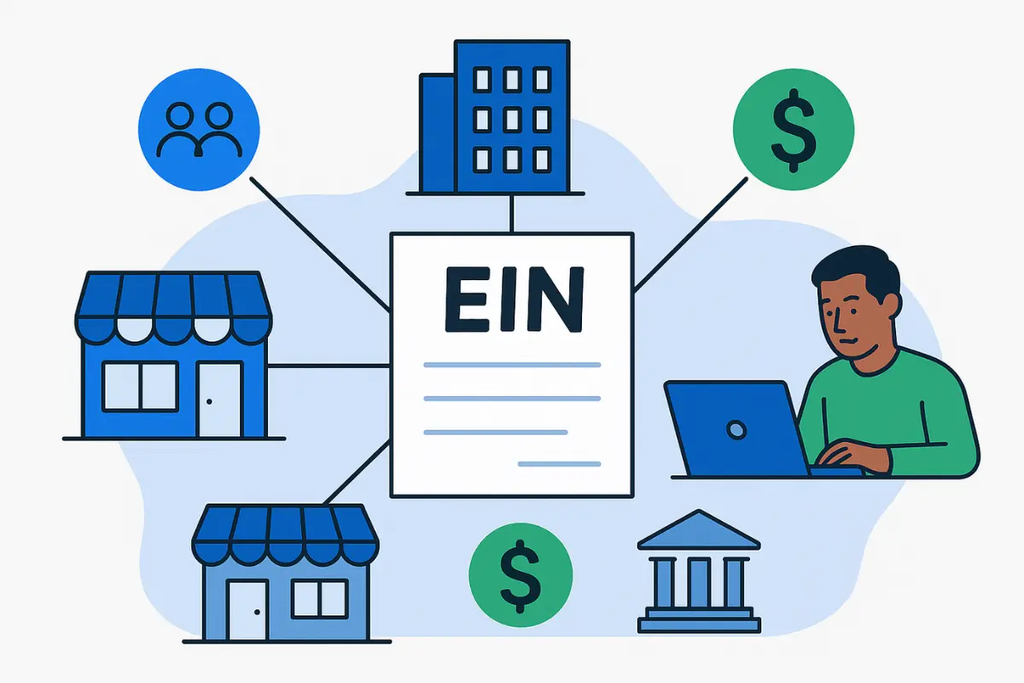
Running a small business means dealing with a constant stream of paperwork, and somewhere in that pile is almost always a document referencing an Employer Identification Number. Issued by the IRS, this nine-digit code identifies a business for federal tax purposes, similar to how a Social Security number identifies an individual. It shows up when opening a business bank account, filing payroll taxes, applying for a loan, or signing a new vendor onto the books. For most transactions, the number simply sits there in the background, unquestioned and largely ignored.
That changes the moment something feels a little off. Maybe a new supplier’s invoice doesn’t quite match the tax documents they submitted earlier. Maybe a contractor’s business name looks unfamiliar compared to what was registered months ago. Or maybe a company is simply being asked to send a larger-than-usual payment to a business it has never worked with before. These are the exact situations where knowing how to confirm a number instead of just accepting it becomes genuinely useful.
Unlike some other business identifiers, an EIN isn’t something you can simply type into a single government website and expect a full answer for any company in the country. The IRS doesn’t operate a general public lookup tool for private businesses, which means the right verification method really depends on who you’re trying to check and how quickly you need the answer.
Checking a Number You Already Have on File
If you’re trying to confirm your own EIN, the process is fairly simple. The IRS confirmation letter issued when the number was first assigned, known as Form CP 575, is the most authoritative record. If that letter has been lost, a previously filed federal tax return will usually show the number near the top of the first page, and bank statements or loan documents tied to the business often list it as well. When none of these are available, the IRS Business & Specialty Tax Line can confirm the number by phone once your identity as an authorized representative has been verified. This path works well for your own records, but it doesn’t help when the number in question belongs to someone else.
Checking a Number That Belongs to Another Business
Confirming someone else’s EIN takes more effort, but there are a few practical options. Nonprofit organizations can be checked through the IRS Tax Exempt Organization Search tool, and publicly traded companies frequently disclose their EIN in filings available through the SEC’s EDGAR database. For everyday private businesses, which make up most small vendors and contractors, learning how to check an EIN usually comes down to either requesting a completed W-9 form directly from the business, or using a dedicated verification service that checks the number against IRS records automatically and returns results such as validity, registered name, and current status within seconds.
Why Small Businesses Shouldn’t Skip This Step
It’s tempting to assume EIN fraud is only a concern for large enterprises processing thousands of vendor payments, but smaller businesses are often more exposed, not less. A single fraudulent invoice or misdirected payment can represent a much larger share of a small company’s finances, and small businesses are less likely to have a formal verification process in place to catch problems before money moves. Building a simple habit, such as confirming a new vendor’s EIN before the first payment goes out, closes a gap that many small business owners don’t realize exists until it costs them something.
A Few Signs Worth Watching For
Certain details are worth a second look rather than automatic concern. A number that doesn’t follow the standard nine-digit, two-and-seven format, a business name that doesn’t line up with the EIN provided, or a brand-new entity with almost no public history are all reasonable prompts to slow down and verify. None of these signs guarantee something is wrong, but combined with reluctance from a vendor to provide documentation, they’re worth taking seriously before a contract is signed or an invoice is paid.
Final Thoughts
An EIN is easy to overlook precisely because it usually just works quietly in the background. But for small business owners juggling new vendors, contractors, and partners, taking a few minutes to confirm a number is legitimate can prevent a much bigger headache later. Whether that means requesting documentation directly or relying on a verification tool built for the job, treating EIN checks as a normal part of onboarding, rather than a rare exception, is one of the easiest ways a small business can protect itself as it grows.
