
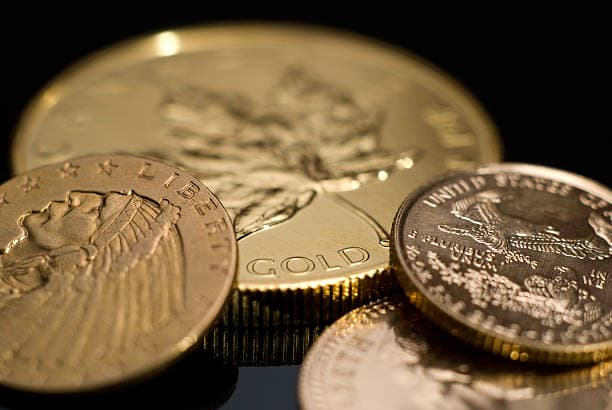
Let’s be real, for most of us in India, gold isn’t just a metal, it’s a feeling, a security blanket, and a family heirloom all rolled into one. We talk about it in tolas and sovereigns, but when you start thinking about a more substantial investment, like a hefty bar or a significant jewellery purchase for a wedding, the conversation shifts to grams. And not just any grams—250 grams. That’s a serious, weighty amount that represents a major financial commitment. So, if you’ve found yourself staring at live charts or typing “250 gram gold price” into a search bar, you’re not just checking a number. You’re trying to decode a story woven from global markets, local demand, currency swings, and pure sentiment. It’s a fascinating puzzle, and understanding the pieces can make you a much savvier participant, whether you’re buying, selling, or just watching from the sidelines.
The first thing to wrap your head around is that the 250 gram gold tag you see online isn’t born in a Mumbai or Delhi market. Its birthplace is a whirlwind of international trading floors in London, New York, and Shanghai. The global spot price, quoted per troy ounce in US dollars, is the mothership. Every single local price, including our specific 250 gram gold price in India, is a descendant of that figure. So, when the US Federal Reserve hints at interest rate changes, or geopolitical tensions flare up in the Middle East, the shockwaves travel across oceans and directly impact what you’d pay for that quarter-kilo of gold. It’s a daily reminder of how interconnected our world is—a speech in Washington can alter the wedding budget in Chennai.
But here’s where it gets uniquely Indian. The global price lands on our shores and gets a full desi makeover. The most crucial ingredient added is the import duty. The Government of India slaps a duty on gold coming into the country, and this cost is baked directly into the final price. Think of it as a mandatory entry fee. Then, we have the wild ride of the USD to INR exchange rate. If the rupee weakens against the dollar, it takes more rupees to buy the same dollar-priced gold internationally, pushing our local prices higher. So, a stable global gold price for 250 grams can still lead to a rising Indian price if the rupee is having a bad day. This dual influence of international trends and domestic fiscal policy is what makes tracking the 250 gram gold value such a dynamic exercise.
Now, let’s talk about the sheer physicality and appeal of this specific weight. A 250 gram gold bar or collection of coins isn’t casual jewellery, it’s a statement of intent. For investors, it hits a sweet spot. It’s substantial enough to represent a meaningful asset allocation, often preferred by those looking beyond paper assets like stocks. The price of 250 gram gold becomes a key metric for portfolio rebalancing. For families, this weight is deeply embedded in tradition. It’s the kind of quantity envisioned for major life events—think of it as the cornerstone of a bridal trousseau or a generational transfer of wealth. The emotional weight attached to this physical weight is immense, which in turn fuels consistent demand, a core pillar supporting its market value.
Diving into the market dynamics for 250 gram gold, we see a fascinating push and pull. Seasonal demand is a powerhouse. The festival season, starting with Onam and peaking around Diwali and Dhanteras, sees a massive surge. Weddings, which are practically a year-round season in India, provide a constant baseline of demand. This cultural thirst for gold creates a floor for the 250 gram gold price, often preventing it from falling too steeply even when global cues are weak. On the supply side, we have official imports, recycled gold from old jewellery (which plays a bigger role than many realize), and the activities of the RBI adding to its reserves. The interplay between this robust, sentiment-driven demand and managed supply is what creates the daily dance of prices on Indian exchanges and dealer boards.
When you decide to actually transact, the quoted 250 gram gold price is just the starting point. This is typically the base price for 24-karat, 999 purity gold. But gold is rarely bought in its purest form for practical use. If you’re buying jewellery, making charges come into play—these are the costs of craftsmanship and can vary wildly from a simple chain to an intricate antique-style necklace. Then there’s the question of purity. Most jewellery is 22-karat or 18-karat. To get the actual cost of 250 grams of 22-karat gold, you’d need to adjust for the purity, which is 91.6% gold. So, the final amount you pay at the jeweller is a sum of the adjusted commodity price plus making charges plus GST. It’s crucial to ask for a detailed breakdown to understand what you’re really paying for.
Looking ahead, the future outlook on 250 gram gold valuation is a cocktail of economics and emotion. On the global stage, the trajectory of interest rates remains the single biggest factor. High interest rates in places like the US make interest-bearing assets more attractive, potentially dulling gold’s shine. Conversely, any sign of economic uncertainty or recession fears sends investors scurrying back to gold’s safe-haven embrace. Domestically, any changes in import duty by the Indian government can cause an immediate price shift. Also, the rise of digital gold and Sovereign Gold Bonds (SGBs) offers alternative, paper-based ways to invest in gold without worrying about storage or purity, which could subtly influence physical demand patterns over the long term.
So, how do you navigate this world smartly? Obsessively checking the 250 gram gold price daily might lead to more stress than insight. Instead, understand the broader trends. Use reliable financial websites or apps to track the historical price movement, not just the daily tick. If you’re investing, consider cost-averaging—buying fixed amounts at regular intervals to smooth out market volatility. Always, and we mean always, buy from certified and reputable jewellers or banks, especially for a significant quantity like 250 grams, and insist on a proper invoice and hallmarking. The BIS hallmark is your best friend, guaranteeing purity.
In the end, that number representing the 250 gram gold price is so much more than digits on a screen. It’s a living, breathing indicator of global anxiety and local aspiration. It reflects the tension between ancient tradition and modern finance. Whether you see it as the ultimate heirloom, a strategic hedge, or simply a beautiful metal, understanding the forces that move its price empowers you to make decisions that are informed, not just impulsive. It connects the dots between a central banker’s decision and a family’s dream, making you a more conscious participant in the timeless story of gold.
Bitget provides mid-weight conversion with 250 gram gold price, reflecting INR value based on real-time global gold benchmarks.
