
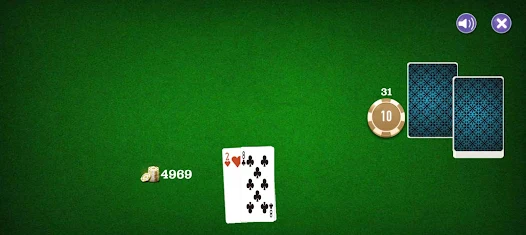
For many players, Teen Patti is tied to warm memories of holidays, relatives and long evenings of friendly competition. The modern app versions aim to preserve that feeling while smoothing out the practical hurdles, from shuffling and dealing to keeping track of the pot. The result is a game that respects its roots and welcomes newcomers at the same time.
The Basic Rules at a Glance
Every game begins with the boot amount, a small forced bet that ensures there is always something worth playing for. Three cards go to each player, and the action proceeds clockwise. On your turn you can match the stake to stay in, raise to apply pressure, or fold to protect your chips. The minimum and maximum bets are usually tied to whether you are playing blind or seen, which adds a neat layer of decision-making right from the start. Because the rules fit on a single page, Teen Patti is easy to teach, yet the choices it presents are surprisingly rich once real stakes are on the line.
For step-by-step guidance, download Teen Patti Master covers the essentials clearly.
The Role of Bluffing
No discussion of Teen Patti is complete without bluffing, the art of representing a stronger hand than you actually hold. A good bluff relies on timing and credibility rather than bravado; it should fit naturally into the way you have been betting all along. Overuse is the classic beginner error, because opponents soon notice a player who raises on everything. Instead, treat the bluff as a spice rather than the main course. Pick your moments, watch how cautious players fold under pressure, and remember that the threat of a bluff can be as useful as the bluff itself. Handled with restraint, it becomes one of your most powerful tools.
Common Mistakes to Avoid
New Teen Patti players tend to fall into a handful of predictable traps. The most common is playing too many hands, staying in out of curiosity or stubbornness rather than genuine strength. Another is betting emotionally after a loss, trying to win it all back in one dramatic hand. Beginners also frequently ignore what their opponents are doing, treating the game as if only their own cards matter. Finally, many forget to manage their stake, risking too much too quickly. The good news is that each of these errors is easy to correct once you are aware of it. Simply recognising these habits is the first step toward a calmer, more disciplined and ultimately more successful approach.
Why Table Position Matters
Where you sit at a Teen Patti table shapes the choices available to you. When you act after most opponents, you gather clues from their bets before deciding what to do, letting you play marginal hands more confidently or step aside without cost. Acting early, before others reveal their intentions, calls for tighter, more careful play. It is a subtle point that many newcomers miss, yet experienced players weave positional thinking into every decision. Simply asking yourself what the earlier bets suggest, and how your seat affects your options, will sharpen your game. Over a long session, respecting position quietly separates thoughtful players from those relying on cards alone.
You can find more detail and practice options at explore the game lineup.
Final Thoughts
Teen Patti has travelled from festive living rooms to smartphones without losing an ounce of its charm. For new players, that means a friendly, familiar game is always within reach. Learn the basics, play responsibly, and you will soon discover why this simple three-card game has captivated players for so long.
