
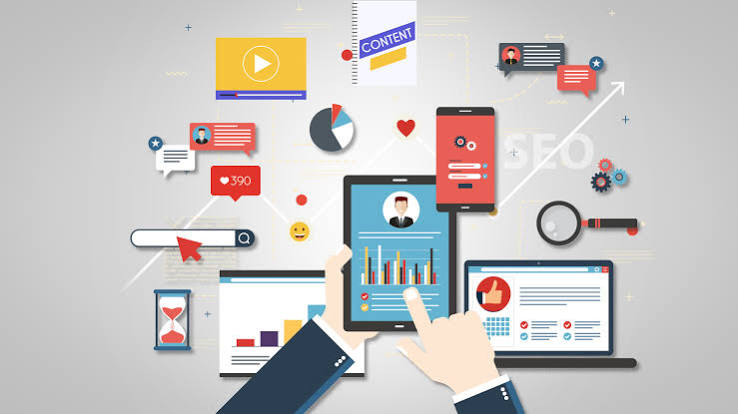
Every business wants more visibility, more leads, and higher sales, but choosing the right marketing channel can often feel confusing. Some marketers believe social media is the fastest way to build an audience, while others trust the lasting benefits of SEO. If you’re planning to build a successful online career through a Digital Marketing Course, understanding the benefits of both strategies is important. Today’s customers find brands through Snapchat Stories, YouTube Shorts, LinkedIn posts, Facebook ads, and Google Search, making both channels more useful than ever. Recent industry data shows that 68% of online experiences start with a search engine, while social media still leads in product discovery, especially among younger audiences. The real question isn’t whether one channel is better than the other—it’s knowing which one gives better results for your business goals and how they can work together.
Understanding Social Media Marketing
Social media marketing is about creating and sharing content on platforms like Instagram, Facebook, LinkedIn, YouTube, X, Pinterest, and Snapchat to attract, engage, and turn audiences into customers. Unlike SEO, which often takes months to show clear results, social media lets brands connect with users almost immediately. A single popular reel or trending post can get thousands of views in hours, helping businesses reach people without waiting for search rankings. Today’s platforms have grown beyond just entertainment into places for shopping, customer support, and strong branding. Research shows social media plays a big role in product discovery, with short videos giving some of the highest engagement and returns among digital marketing types. Businesses that regularly share useful content often build loyal communities that later become paying customers.
How Social Media Drives Brand Awareness
One of social media’s biggest strengths is its ability to start conversations instead of just sharing information. Brands can reply to comments, hold live sessions, share customer stories, and show their human side in ways traditional ads cannot. Interactive content encourages shares, likes, saves, and talks that greatly boost visibility. Social media partnerships also increase reach by showing brands to specific audiences who already trust the creator. Algorithms favour engaging content, making creativity as important as advertising money. Businesses that regularly educate, entertain, and inspire their audiences often enjoy stronger customer loyalty and better brand memory over time.
Advantages and Limitations of Social Media
Social media offers great targeting options, affordable ads, fast audience growth, and clear engagement measurements. It is especially useful for launching products, promoting events, and building brand communities. However, it also has some limits. Organic reach keeps changing because platform algorithms often update, making steady visibility hard without paid ads. Content also lasts for a short time, so businesses need to post regularly to stay relevant. Success depends a lot on creativity, consistency, and knowing the audience rather than just sharing promotional content.
Understanding Search Engine Optimisation (SEO)
Search Engine Optimisation focuses on making a website easier to find in unpaid search results by creating useful content, improving technical aspects, earning quality links, and meeting user needs. Unlike social media posts that may disappear from feeds in days, SEO content can keep bringing visitors for months or even years. Businesses that rank well for important keywords often get steady traffic without paying for each click. Recent SEO studies show SEO brings much more long-term traffic than unpaid social media, making it one of the best digital marketing investments for lasting growth. Search is one of the marketing channels with the highest intent because users actively look for solutions instead of just browsing content.
Why SEO Delivers Lasting Growth
SEO works like building a valuable digital asset. Every improved article, landing page, and product page raises your website’s reputation over time. Unlike paid ads that stop working when budgets run out, well-optimised content keeps attracting visitors all day. Businesses that regularly publish helpful, reliable content slowly become leaders in their field. Google’s ranking systems increasingly reward websites that show expertise, experience, authority, and trustworthiness (E-E-A-T), making quality more important than just adding keywords. This change encourages businesses to truly solve user problems instead of just focusing on search engines.
Key SEO Ranking Factors in 2026
SEO has moved beyond just keywords and backlinks. Search engines now look at user experience, page speed, mobile-friendliness, organised data, topic expertise, helpful content, and online reputation. AI-powered searches also focus on trustworthy sources, consistent branding, and complete answers. Experts now suggest combining traditional SEO with broader content strategies like videos, social media interaction, and customer reviews. Businesses that make truly useful content on many platforms improve both search visibility and brand awareness at the same time.
Social Media vs. SEO – A Detailed Comparison
Many aspiring marketers join Digital Marketing Courses in Pune to learn which strategy deserves more investment. The truth is both channels work well in different situations. Social media creates quick awareness, while SEO builds steady organic growth over time. Companies that depend only on one channel often miss valuable chances from the other. Choosing between them depends on business goals, competition, budget, target audience, and timeline for results. Instead of seeing them as rivals, successful brands now treat them as supporting parts of a complete digital marketing plan.
| Feature | SEO | Social Media |
| Speed | Slow to build | Immediate reach |
| Cost | Long-term investment | Organic + Paid |
| Traffic | Consistent | Campaign-driven |
| Trust | High | Medium to High |
| Brand Building | Strong | Excellent |
| Lead Generation | Long-term | Short & Medium-term |
| Content Lifespan | Months or Years | Hours or Days |
| ROI | Compounds over time | Depends on consistency |
Traffic Generation
SEO attracts users who are actively looking for solutions, making visitors more likely to take action because they already have intent. Social media shows products to audiences who might not have been searching but become interested after seeing engaging content. Search traffic usually stays steady once rankings are set, while social traffic changes based on platform algorithms and campaign results. Businesses wanting steady website traffic often focus on SEO, while brands launching new products may get more from strong social media campaigns.
Lead Generation
Both strategies generate leads in different ways. SEO attracts people ready to act through helpful blogs, service pages, and local search results. Social media builds relationships by teaching audiences, answering questions, and sharing customer success stories. Paid social ads can also get leads quickly through improved landing pages and lead forms. The best businesses combine SEO-driven search interest with social media interaction to get the most conversions throughout the customer journey. Because results accumulate gradually, its long-term return often exceeds many paid channels. Social media can deliver rapid engagement and sales, particularly when supported by advertising budgets. However, campaigns typically stop producing results once spending ends. Industry research regularly shows that SEO remains one of the highest-return digital marketing investments because optimised content continues generating traffic long after publication.
Brand Trust
Users often perceive top-ranking Google results as more trustworthy than advertisements because they have earned visibility organically. Social media builds trust differently through authenticity, storytelling, insider content, customer testimonials, and collaborations. Combining strong search visibility with active social engagement creates credibility across multiple customer touchpoints, strengthening overall brand reputation.
Speed of Results
Assuming immediate visibility is the goal, social media clearly wins. Firms can launch campaigns, publish reels, and generate engagement within hours. SEO requires research, optimisation, content creation, indexing, and authority building before producing measurable rankings. Companies needing instant awareness frequently invest in social campaigns while simultaneously developing SEO for lasting sustainability.
Sustained Long-Term Viability
SEO continues generating value years after quality content is published, whereas social media needs continuous posting to preserve momentum. Evergreen educational articles, guides, and resource pages frequently outperform short-lived social content over long periods. Businesses focused on steady growth typically treat SEO as a basic investment while using social media for amplification and engagement.
Which Strategy Should Businesses Choose?
The answer depends entirely on business objectives. Startups needing rapid awareness frequently benefit from social media because it quickly introduces brands to potential customers. Local businesses obtain substantial value from SEO by appearing in Google searches when nearby customers need products or services. E-commerce brands achieve excellent results by combining product-focused social campaigns with optimised category pages that rank organically. B2B organisations frequently prioritise SEO because buyers conduct extensive research before making purchasing decisions. Ultimately, businesses that diversify across multiple channels reduce dependence on any single platform while creating stronger overall digital visibility.
Best for Startups
Startups typically require immediate brand exposure, making social media ideal for launching products, collecting feedback, and growing communities quickly.
Best for Local Businesses
Local SEO helps businesses appear in Google Maps and local search results when customers search nearby, making SEO notably valuable for service providers and educational institutes.
Best for E-commerce Brands
E-commerce businesses benefit from combining search-optimised product pages with appealing social media campaigns that demonstrate products through videos and social media alliances.
Combining SEO and Social Media for Maximum Results
The smartest digital marketers no longer debate whether SEO or social media is superior—they integrate both. Blog articles optimised for search become valuable content for LinkedIn posts, Facebook updates, Instagram carousels, and YouTube videos. Social engagement generates brand awareness that increases branded searches, while SEO guarantees interested users find detailed information on the website. Customer reviews, FAQs, tutorials, and case studies strengthen both search rankings and social credibility. AI-driven search experiences are also encouraging enterprises to maintain consistent messaging throughout websites, social platforms, videos, and third-party mentions. Brands that unify these efforts improve visibility across Google Search, AI assistants, and social platforms simultaneously.
Proven Integration Tips
- Publish SEO-optimized blogs and repurpose them into social media content.
- Create short videos explaining your blog topics.
- Encourage customer reviews and testimonials.
- Share website content regularly across social platforms.
- Use analytics to identify top-performing topics and expand them across channels.
Conclusion
Social media and SEO are not competing strategies—they are complementary engines of digital growth. Social media excels at creating conversations, building communities, and generating immediate visibility, while SEO delivers consistent organic traffic, stronger credibility, and long-term return on investment. Businesses that focus exclusively on one channel often limit their growth potential. The most successful brands use SEO to capture search intent and social media to amplify content, nurture relationships, and create enduring buyer trust. As AI continues reshaping online discovery, uniting both strategies will become even more important for businesses aiming to stay competitive inside the evolving digital domain.
