
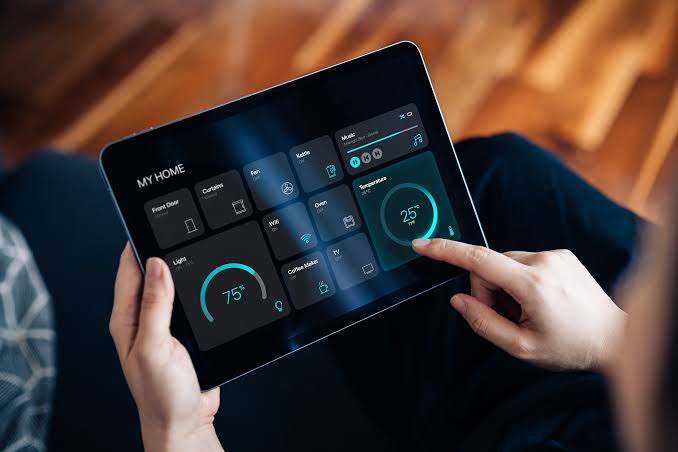
Quick answer: Smart home technologies are connected devices and systems that automate everyday tasks—from adjusting lighting to managing home security—through mobile apps, voice assistants, and central hubs. Home automation reduces decision fatigue, saves time, and lowers energy costs for modern households.
There’s a certain magic in walking into a perfectly lit home after a long day, knowing the thermostat is already set just the way you like it. Smart home technologies make that a reality. By connecting everyday devices to a central system, home automation quietly handles the small tasks that eat up your time and mental energy—so you can focus on what actually matters.
How Do Smart Home Technologies Actually Work?
At their core, smart home technologies rely on connected devices that communicate over Wi-Fi, Bluetooth, Zigbee, or Z-Wave networks. Each device—whether it’s a lightbulb, thermostat, or door lock—sends and receives data through a central hub or ecosystem like Amazon Alexa, Google Home, or Apple HomeKit.
Control is straightforward. Most systems use mobile apps for remote management and voice assistants for hands-free commands. Set a schedule, create a routine, or simply say the word—home automation responds.
Key Smart Home Technologies That Save Time
Smart Lighting Systems
Automated lighting goes beyond just turning lights on and off. Smart bulbs and switches let you schedule lighting based on time of day, sync with sunrise and sunset, or trigger lights when motion is detected. No more fumbling for switches in the dark.
Intelligent Thermostats
Devices like the Google Nest or Ecobee learn your temperature preferences over time and adjust automatically. Home automation through smart thermostats can reduce heating and cooling costs by up to 15%, according to the U.S. Department of Energy—a meaningful saving over the course of a year.
Smart Door Locks and Security Systems
Keyless entry, remote locking, and real-time alerts give you effortless access control without sacrificing security. Grant temporary access to guests or service providers, and receive instant notifications whenever someone enters or exits.
Automated Kitchen Appliances
Smart coffee makers that start brewing when your alarm goes off. Ovens you can preheat on your commute home. These small automations add up to a noticeably smoother daily rhythm.
Simplifying Your Daily Routine with Home Automation
Think about your morning. The alarm goes off, and rather than stumbling through a dark house, your smart lighting gradually brightens to simulate sunrise. The thermostat has already warmed the room. The coffee maker started three minutes ago.
That’s home automation working as it should—invisibly, reliably.
For remote workers, climate control and noise-dampening smart devices (like motorized blinds to reduce glare) create a better work environment without constant manual adjustments.
In the evening, automated routines can close blinds, dim lights, lock doors, and run a security check—all triggered by a single tap or a set schedule. You head to bed knowing your home has already taken care of itself.
Energy management is another practical benefit. Smart home technologies monitor usage patterns and optimize power consumption across devices, helping reduce utility bills without requiring constant attention from you.
How to Get Started with Smart Home Technologies
Starting with home automation doesn’t have to be overwhelming. Here’s a practical approach:
- Choose an ecosystem first. Pick a central hub—Amazon Alexa, Google Home, or Apple HomeKit—and build around it. This ensures your devices speak the same language.
- Address your biggest daily pain points. If mornings are chaotic, start with smart lighting and a programmable coffee maker. If security is a concern, prioritize a smart lock and doorbell camera.
- Check compatibility before buying. Not all smart devices work with every ecosystem. Look for the “Works with Alexa” or “Works with Google Home” badge before purchasing.
- Think ahead. Choose devices and platforms that support expansion, so adding new smart home technologies later is seamless.
Small Changes, Big Impact
Smart home technologies don’t overhaul your life overnight—they refine it, one automated task at a time. The cumulative effect of removing friction from your morning routine, your workday, and your evenings is real and significant.
Home automation offers something genuinely valuable: time back in your day, fewer things to remember, and a home that works with you rather than against you. The best time to start building that kind of household is now.
