
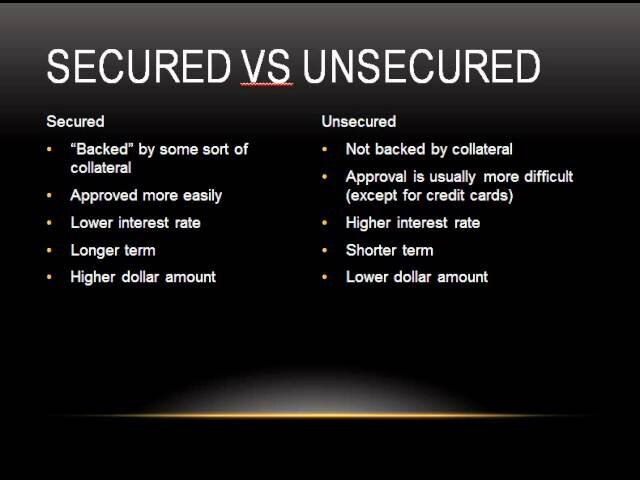
Loans in India come within two categories: secured and unsecured. The interest rate and loan terms depend on the type of loan you apply for. It also plays a role in deciding the loan amount and disbursal timelines.
Most people don’t understand these differences. They usually choose a loan based on what their bank offers or what their friends or family suggest. But that approach has its drawbacks as they may not get the type of loan they need. Understanding the differences between these two loan types helps prospective borrowers pick the right product.
What is a Secured Loan?
A secured loan is a product where a borrower pledges a collateral or security to a lender. The lender has a legal claim over the asset until the borrower repays the loan in full. The collateral can be a house, a vehicle, gold, commercial or industrial complex, etc.
If the borrower defaults on the loan’s EMI payments, the lender can take possession of the asset and sell it to recover any losses. Some of the most common examples of a secured loan are home loans, loan against property, car loans, gold loans, etc.
Lenders usually offer lower interest rates and better terms for a secured loan. This is because they face a lower risk in case of loan default. Moreover, as the loan amount depends on the value of the pledged collateral, borrowers can be eligible for higher loan amounts.
What Defines an Unsecured Loan
An unsecured loan is a lending product where an applicant can take a loan without pledging collateral. The lender evaluates and approves the loan based on its risk assessment and the applicant’s credit profile. The credit profile includes factors like credit score, income and job stability, employer profile, etc.
The interest rates for such loans are usually higher than secured loans. Lenders undertake a higher risk for an unsecured loan as it is not backed by a collateral. Instant personal loan is an example of an unsecured loan.
Loan Approval Timelines
The loan processing and approval timelines for secured and unsecured loans are usually different. For secured loans, the lender needs to verify the collateral, determine its market value, and check the legal documents. But there are no such requirements for unsecured loans. Many digital lenders offer loans where the entire loan process, from application to disbursal, can happen within hours for eligible applicants. NBFCs, like Finnable, offer personal loans with loan disbursal in 60 minutes for eligible salaried applicants.
Loan Amount and Repayment Tenure
The loan amount for unsecured loans is usually up to ₹10 Lakhs. But the final amount will depend on the lender’s assessment of the applicant’s credit profile. For secured loans, the amount is typically higher than unsecured loans. The amount is decided based on RBI’s guidelines of loan to value (LTV) ratio for the pledged collateral. It is also based on the market value of the collateral as decided by the lender.
The tenure for unsecured loans, like personal loans, is usually up to 5 years. But secured loans usually have much longer repayment periods. For example, home loans usually have a tenure of up to 30 years.
Eligibility Criteria
The eligibility criteria for unsecured loans mainly depend on the applicant’s credit profile. Lenders usually check the credit score, income, job stability, and employer profile of their applicants to assess their eligibility.
For secured loans, lenders check the asset to be pledged as collateral along with evaluating the applicant’s credit profile. They check the ownership documents of the pledged asset to ascertain that it legally belongs to the borrower. They also determine its market value, based on which they also decide the loan amount. Furthermore, they also check the applicant’s credit profile to assess the repayment capacity.
Risk Considerations for the Borrower
If a borrower defaults on the secured loan, he could lose the pledged asset as well. The lender has legal claim to the collateral for the entire loan duration. If the borrower fails to repay the loan, lenders could sell the pledged asset to recover their losses.
But someone taking an unsecured loan doesn’t have to face this risk. But failure to pay even a single EMI can negatively affect your credit score. It can also reduce your eligibility for availing loans or credit cards in the future.
Documentation for the Loan
The documentation for secured and unsecured loans is largely similar. Both require documents for proof of identity, address, and income. These documents usually include PAN card, Aadhaar card, rent agreement, bank statements, salary slips, etc.
This main difference is that lenders ask for ownership documents of the pledged collateral for secured loans. They use these documents to ascertain if the asset legally belongs to the applicant. They also require the valuation report of the collateral to determine the collateral’s market value. This valuation is done by a professional appraiser appointed by the lender. They would also require legal documents, especially for property loans like home loans or loan against property.
Choosing Between the Two Loans Based on Financial Need
The first thing to see is the urgency of financial needs. Unsecured loans offered by digital lenders are usually processed and disbursed within the same day for eligible applicants. However, secured loans have a longer processing timeline due to legal verification and valuation of the collateral. Another thing to consider is the loan borrowing costs. The interest rates for secured loans are usually lower than unsecured loans. But they often come with a longer repayment tenure. Hence, borrowers should calculate the total borrowing costs for both these loans before taking any decision.
Then comes the loan amount. Unsecured loans usually have loan amounts of up to ₹10 lakh. In case the applicant requires much higher funds, they can opt for secured loans. The paperwork required for the loan is also an important factor. Secured loans have higher documentation requirements than unsecured loans. If the applicant needs higher amounts for business expansion or to consolidate multiple high-interest debts, then they can opt for a secured loan to justify the additional paperwork. Hence, applicants should consider all these factors before choosing between a secured and an unsecured loan.
