
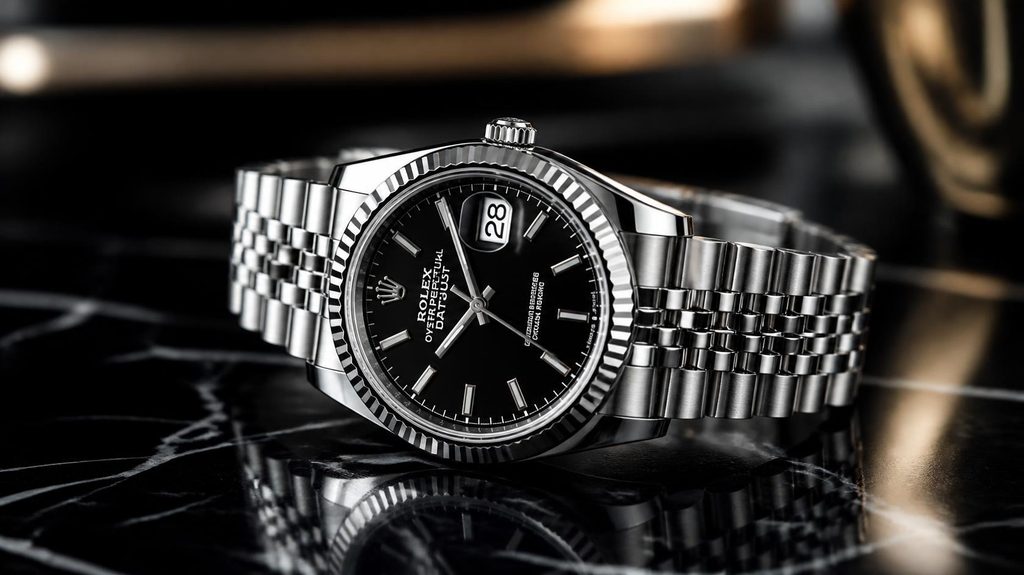
A luxury watch can be much more than an accessory. It can represent precision engineering, personal style, craftsmanship, and a connection to history. In an age when smartphones and smartwatches provide highly accurate timekeeping, traditional mechanical watches continue to attract enthusiasts because they offer an experience that technology alone cannot replicate.
Rolex is one of the most recognizable names within this world. Its reputation has developed through decades of technical innovation, distinctive designs, professional applications, and a commitment to producing mechanical timepieces intended for long-term use.
For someone interested in luxury watches, understanding the reasons behind this reputation provides a more meaningful perspective than simply focusing on brand recognition. The story involves engineering, materials, design, manufacturing, and the culture that has developed around mechanical watch ownership.
The Origins of a Watchmaking Legacy
The early development of the wristwatch was driven by practicality. Pocket watches had already established mechanical timekeeping as an important technology, but wearing a watch on the wrist offered greater convenience.
The transition was not without challenges. A wristwatch was exposed to movement, moisture, dust, and accidental contact throughout the day. Watchmakers needed to develop cases and movements capable of handling these conditions while maintaining useful accuracy.
Rolex became associated with this effort through innovations intended to improve the reliability and resistance of wristwatches. The Oyster case was particularly important in establishing a stronger connection between wristwatch design and environmental protection.
This engineering-focused approach helped create a foundation for the company’s later development.
The Mechanical Movement
The movement is the technical center of a mechanical watch.
Unlike quartz watches, mechanical movements operate through stored mechanical energy. A wound mainspring gradually releases its energy through a system of gears. The escapement controls the release, while the balance regulates the movement’s oscillations.
The mechanism is remarkably intricate considering its small size.
Components must be produced to precise dimensions and assembled carefully. Friction, tolerances, lubrication, and adjustment can all influence performance.
For watch enthusiasts, this complexity is part of the appeal. A mechanical watch is essentially a miniature machine that can operate continuously while being worn on the wrist.
The movement also provides a tangible connection to traditional engineering. Rather than depending primarily on electronics, it uses physical components to perform a task that people have refined for generations.
The Pursuit of Accuracy
Precision is fundamental to serious watchmaking.
Mechanical movements naturally face environmental influences. Temperature changes, different wearing positions, magnetism, and physical shocks can affect the rate of a movement.
Modern engineering has addressed many of these challenges through improved materials, manufacturing processes, movement designs, and quality-control procedures.
Achieving reliable performance requires attention throughout the production process. Components need to be manufactured consistently, movements assembled correctly, and finished watches tested and adjusted.
This attention to precision is one reason high-end mechanical watches can be considered engineering achievements rather than simply expensive accessories.
Why Design Longevity Matters
A successful luxury-watch design can remain recognizable for generations.
Rolex has generally developed its collections through gradual refinement rather than constant visual reinvention. Proportions, materials, movements, and individual details may change, but familiar design characteristics often remain.
This creates continuity between different generations of watches.
For collectors, such continuity is valuable because it makes historical models part of a larger design story. An older watch can retain visual relevance even when compared with a modern counterpart.
Timeless design also offers a practical advantage for owners. A watch that avoids extreme trends can remain suitable for different occasions and styles over a long period.
The Relationship Between Function and Appearance
Many famous watches were influenced by professional requirements.
Divers needed dependable timekeeping equipment that could withstand underwater conditions. Pilots benefited from legible displays and reliable mechanisms. Explorers required durable instruments capable of operating away from conventional environments.
These practical demands influenced the shape and features of professional watches.
Modern owners may not use their watches in the same conditions, but the original engineering purpose remains part of their appeal. A particular bezel, dial arrangement, or case construction can carry a story about the problem it was originally designed to solve.
That connection between function and history is an important reason sports and tool watches remain popular among enthusiasts.
The Role of Materials
A watch’s materials influence both performance and appearance.
Stainless steel is widely used because it offers strength and resistance to corrosion. Precious metals provide distinctive visual characteristics, while sapphire crystal is valued for its resistance to everyday scratches.
Modern ceramic materials can also provide excellent hardness and durability for particular applications.
But premium materials do not automatically create a premium product. Manufacturing precision, finishing, assembly, and inspection are equally important.
The best results come from combining appropriate materials with careful engineering. A component may need to meet strict dimensional requirements before it can be incorporated into a finished movement or case.
Exploring the Pre-Owned Market
The pre-owned market offers an interesting opportunity for watch enthusiasts. Buyers can find discontinued references, vintage designs, and watches with histories that cannot be replicated by a newly manufactured product.
However, condition is extremely important.
Two examples of the same model may differ significantly depending on how they were used and maintained. Scratches, polishing, bracelet wear, movement condition, replacement components, and previous servicing can all affect an individual watch.
Documentation may provide additional information. Service records and other paperwork can help establish how the watch has been cared for.
People researching the luxury-watch market can also explore rolex for additional information and resources.
The Importance of Authenticity
Luxury watches are valuable targets for counterfeit production, making authenticity an important consideration when purchasing.
A watch may look convincing externally while containing components that do not match the expected construction. For this reason, authentication can require examination of multiple details.
Movement architecture, finishing, dial characteristics, case construction, reference information, and other components can all be relevant.
For a significant purchase, professional inspection is often a sensible precaution. Buyers should also consider the reputation of the seller and the quality of the available documentation.
An unusually low asking price should be investigated rather than automatically treated as a bargain.
Caring for Mechanical Watches
Long-term ownership requires maintenance.
A mechanical movement contains numerous moving components, and regular operation gradually creates wear. Lubricants can deteriorate and seals can lose effectiveness.
Professional servicing allows a qualified technician to inspect the movement, clean appropriate components, replace worn parts, and make necessary adjustments.
Water resistance also deserves attention. A watch may have been designed with strong resistance to water, but seals can deteriorate over time. Periodic testing is therefore useful, particularly for owners who regularly expose their watches to moisture.
Careful storage and sensible everyday handling can also help preserve a watch’s condition.
The Emotional Value of Ownership
A luxury watch often develops meaning beyond its technical specifications.
People may purchase a timepiece to celebrate an achievement, commemorate an important occasion, or mark a new stage of life. Years later, the watch can become a reminder of that moment.
Because mechanical watches can remain serviceable for decades, they may eventually become family heirlooms.
This potential longevity changes the relationship between the owner and the object. A watch can accumulate memories as well as physical signs of use.
A scratch from a memorable journey or a service record from years earlier may become part of the watch’s story.
Learning Before Collecting
Anyone considering a serious interest in watches can benefit from learning the fundamentals first.
Understanding movements, references, complications, case materials, bracelet construction, and servicing helps buyers evaluate watches more objectively.
It also allows collectors to identify their own preferences.
Some people prefer simple and understated designs. Others are attracted to professional models, vintage references, unusual materials, or complex movements.
There is no universally correct way to collect. The best approach is one that reflects genuine personal interest rather than temporary market enthusiasm.
Choosing the Right Timepiece
A thoughtful purchase begins with understanding the intended use.
Someone looking for an everyday watch may prioritize durability and versatility. Another buyer may be interested primarily in collecting and therefore place greater emphasis on historical significance or rarity.
Size and comfort also matter. A watch can look excellent in photographs but feel different when worn. Bracelet design, case dimensions, weight, and proportions all influence the ownership experience.
Budget should be considered alongside ongoing costs. Servicing, insurance, and maintenance can become relevant over the lifetime of a luxury watch.
Taking these factors into account can help buyers make decisions based on long-term satisfaction rather than short-term excitement.
Why Mechanical Watches Continue to Attract Buyers
The continued popularity of mechanical watches is remarkable because their basic function can be performed more cheaply and accurately by electronic devices.
The explanation lies in their different purpose.
A mechanical watch is valued for its construction, craftsmanship, heritage, and physical experience. It is an object designed to be maintained rather than simply replaced.
Rolex has become a particularly visible example of this philosophy. Its combination of technical development and recognizable design has allowed its watches to remain culturally relevant across changing generations.
For additional information related to the brand and luxury watch collecting, readers can visit rolex replica.
The Future of Traditional Watchmaking
The growth of smartwatches and other wearable technologies has changed the broader watch industry, but it has not eliminated interest in mechanical timepieces.
Instead, traditional and digital watches increasingly serve different purposes.
Smart devices emphasize connectivity and functionality. Mechanical watches emphasize craftsmanship, design, and long-term ownership.
As technology continues to advance, the contrast may actually make traditional watchmaking more interesting. A mechanical movement represents an approach to engineering that does not depend on rapidly changing software or electronics.
Its fundamental principles remain physical and understandable.
Conclusion
The enduring appeal of Rolex and other respected watchmakers comes from a combination of engineering, craftsmanship, design, and history.
A mechanical watch represents thousands of small decisions about materials, construction, movement architecture, finishing, and usability. When those elements come together successfully, the result can remain relevant for decades.
For prospective buyers, research is the most valuable starting point. Understanding authenticity, condition, maintenance, materials, movements, and individual preferences can make the purchasing process significantly more rewarding.
Ultimately, the appeal of a fine mechanical watch is not simply that it tells time. It can be an example of precision engineering, a reflection of personal style, a connection to watchmaking history, and an object capable of carrying memories from one generation to the next.
