
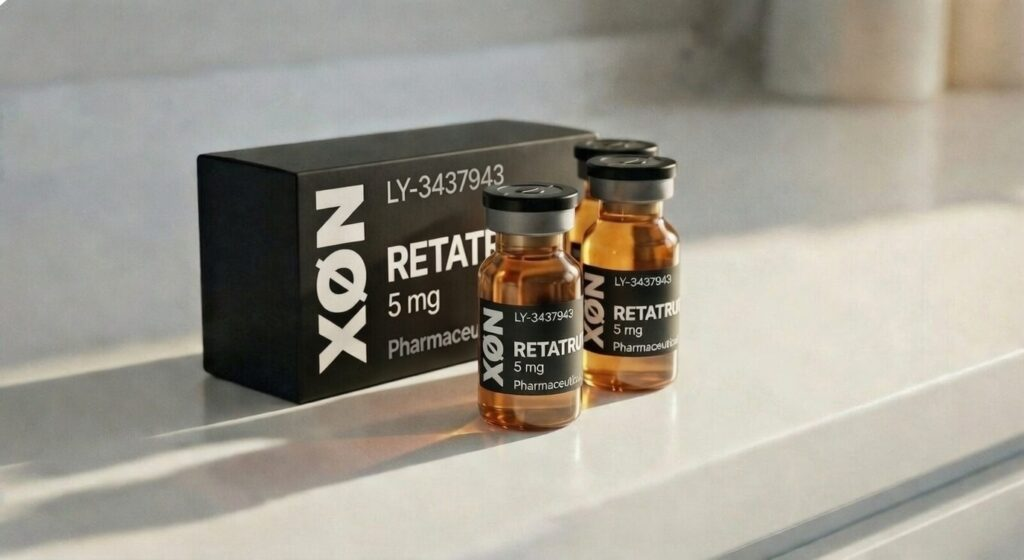
Retatrutide peptide has attracted significant attention in the field of metabolic health research because of its potential role in weight management and the treatment of metabolic disorders. As an investigational compound, retatrutide is being studied for its effects on body weight, blood sugar regulation, and other metabolic processes. Interest in this peptide has grown rapidly as researchers continue to explore new approaches to obesity and related health conditions.
Unlike traditional single-target medications, retatrutide is designed to interact with three important hormonal pathways involved in metabolism Retatrutide peptide. This distinctive mechanism has made it an interesting subject for researchers investigating next-generation therapies for obesity, type 2 diabetes, and other metabolic conditions.
What Is Retatrutide Peptide?
Retatrutide is an investigational peptide drug developed to influence three hormone receptors: the glucagon-like peptide-1 receptor, the glucose-dependent insulinotropic polypeptide receptor, and the glucagon receptor. Because it targets all three pathways, retatrutide is sometimes described as a triple agonist.
These hormones have important roles in appetite control, glucose metabolism, insulin regulation, and energy balance. By influencing these pathways simultaneously, researchers are investigating whether retatrutide can produce substantial improvements in body weight and metabolic health.
It is important to understand that retatrutide remains an investigational treatment. It should not be confused with an approved medication or a commercially established treatment for weight loss. Clinical research is still evaluating its effectiveness, safety, appropriate dosing, and potential long-term effects.
How Does Retatrutide Work?
The potential effects of retatrutide come from its activity at three different hormonal receptors. GLP-1 is involved in appetite regulation, insulin secretion, and the movement of food through the digestive system. GIP also contributes to glucose and energy metabolism, while glucagon can influence energy expenditure and the way the body uses stored energy.
Retatrutide’s combination of these activities is particularly interesting because each pathway may contribute a different metabolic effect. Researchers are studying whether activating these receptors together can produce greater improvements than targeting a single pathway alone.
One of the most significant areas of research is appetite and food intake. Hormonal signals involving GLP-1 and GIP can influence feelings of fullness and hunger, potentially helping reduce overall calorie intake. At the same time, glucagon activity may affect energy expenditure and fat metabolism. The combined action is therefore being investigated as a potentially powerful approach to metabolic regulation.
Retatrutide Peptide and Weight Management Research
Weight management is one of the primary reasons retatrutide has generated considerable scientific and public interest. Clinical trials have investigated its ability to produce substantial reductions in body weight among adults with obesity or overweight.
Research conducted so far has shown promising weight-loss results, although the magnitude of the response can vary between individuals and depends on factors such as the dose, duration of treatment, health status, and lifestyle. These findings have encouraged further investigation into retatrutide as a possible future treatment for obesity.
However, promising clinical results do not mean that retatrutide is currently suitable for self-treatment. Investigational medications require extensive testing before their benefits and risks can be fully understood. Long-term studies are particularly important because obesity is generally a chronic condition requiring sustainable management.
Retatrutide and Metabolic Health
Researchers are also interested in retatrutide because its potential benefits may extend beyond changes in body weight. Metabolic health involves several interconnected factors, including blood glucose, insulin sensitivity, blood lipids, blood pressure, and the amount and distribution of body fat.
Because retatrutide affects multiple hormonal pathways, researchers are evaluating whether treatment could influence several of these metabolic measures simultaneously. This could make the compound particularly relevant to research into obesity-related metabolic diseases.
The relationship between excess body weight and conditions such as type 2 diabetes, cardiovascular disease, and fatty liver disease is complex. Reducing excess weight can improve several risk factors, but researchers need longer-term evidence to determine the extent to which retatrutide itself may affect these outcomes.
What Does Clinical Research Show?
Clinical research has provided encouraging evidence about retatrutide’s potential. Studies have reported meaningful reductions in body weight among participants receiving the investigational treatment. Some research has also examined changes in metabolic measurements alongside weight loss.
These findings have helped establish retatrutide as an important candidate in the development of new obesity treatments. Nevertheless, clinical trial results should be interpreted carefully. A medication can demonstrate strong effects in clinical research while still requiring additional studies before regulators determine whether its overall benefits outweigh its risks.
Researchers must evaluate issues such as long-term safety, tolerability, appropriate patient selection, treatment duration, and potential side effects. Regulatory review is also necessary before a new medicine can be broadly approved for a specific medical use.
Potential Side Effects and Safety Considerations
As with other medications that affect gastrointestinal and metabolic hormones, retatrutide research has reported side effects involving the digestive system. Symptoms such as nausea, vomiting, diarrhea, constipation, and reduced appetite may occur during treatment, although their frequency and severity can vary.
The safety profile of an investigational compound cannot be considered fully established until sufficient clinical evidence has accumulated. This is particularly important for a treatment intended for long-term use.
People should therefore be cautious about products marketed online as “Retatrutide peptide” for personal use. Research-grade or unapproved peptide products may not have the same quality, purity, manufacturing controls, or safety monitoring associated with medicines used in clinical trials. Using an unapproved compound without medical supervision can create significant health risks.
Is Retatrutide Approved?
Retatrutide is an investigational drug and is not the same as an approved prescription treatment. Its development is focused on determining whether it can safely and effectively treat obesity and related metabolic conditions.
The distinction between an investigational peptide and an approved medicine is important. Clini
