
Hip pain can affect nearly every part of daily life. From walking short distances to climbing stairs or enjoying favorite activities, ongoing discomfort often limits independence and reduces quality of life. When conservative treatments no longer provide relief, many people begin exploring private hip surgery Ontario options to regain mobility without extended waiting periods.
Understanding what private care involves, who may benefit, and what to expect before and after surgery can help patients make informed healthcare decisions. This guide explains the essentials of private hip surgery Ontario, including preparation, recovery, and factors to consider when choosing a healthcare provider.
Understanding Private Hip Surgery
Private hip surgery refers to orthopedic procedures performed through privately funded healthcare facilities. Individuals seeking private hip surgery Ontario often choose this route to access consultations, diagnostic services, and surgical treatment more quickly than they might through traditional pathways.
Depending on a patient’s condition, surgery may involve repairing damaged tissue or replacing worn parts of the hip joint. The primary goal is to reduce pain, restore movement, and improve overall function.
Common Reasons for Hip Surgery
Several conditions may lead healthcare professionals to recommend surgery.
Osteoarthritis
Degeneration of the hip joint caused by aging or wear and tear is one of the leading reasons patients consider private hip surgery Ontario.
Hip Fractures
Serious injuries resulting from falls or accidents sometimes require surgical intervention to restore stability and movement.
Rheumatoid Arthritis
Inflammatory joint diseases can damage cartilage and bone, making surgery necessary when medications are no longer effective.
Hip Deformities
Some individuals are born with structural abnormalities that gradually cause pain and limited mobility.
Benefits of Choosing Private Hip Surgery Ontario
Many patients explore private hip surgery Ontario because it offers several practical advantages.
Reduced Waiting Times
One of the primary reasons people seek private treatment is quicker access to consultations, imaging, and surgery. Earlier intervention may prevent further joint deterioration and allow patients to return to normal activities sooner.
Personalized Care
Private healthcare settings often provide individualized treatment plans tailored to each patient’s medical history, lifestyle, and recovery goals.
Coordinated Treatment
Patients frequently experience smoother coordination between consultations, diagnostic imaging, surgery, and rehabilitation, making the overall treatment process more efficient.
Modern Surgical Techniques
Many orthopedic specialists performing private hip surgery Ontario utilize advanced surgical methods designed to improve accuracy, reduce tissue damage, and encourage faster recovery.
Preparing for Hip Surgery
Preparation plays an important role in achieving a successful outcome.
Comprehensive Medical Assessment
Before surgery, patients undergo physical examinations, imaging studies, and laboratory testing to confirm the diagnosis and determine the most appropriate treatment approach.
Lifestyle Adjustments
Healthcare providers may recommend improving nutrition, maintaining a healthy weight, and participating in gentle exercises to strengthen surrounding muscles before surgery.
Home Preparation
Creating a safe home environment can make recovery easier. Patients often arrange supportive seating, remove tripping hazards, and organize assistance during the initial recovery period.
What Happens During the Procedure?
Although surgical techniques vary, most procedures follow similar steps.
The patient receives anesthesia before the surgeon accesses the hip joint through carefully planned incisions. Damaged bone and cartilage are treated or replaced as needed while preserving surrounding healthy tissue whenever possible.
Modern techniques used during private hip surgery Ontario often focus on minimizing muscle disruption, supporting improved mobility after surgery.
Recovery After Private Hip Surgery Ontario
Recovery continues well beyond the operating room.
Early Mobility
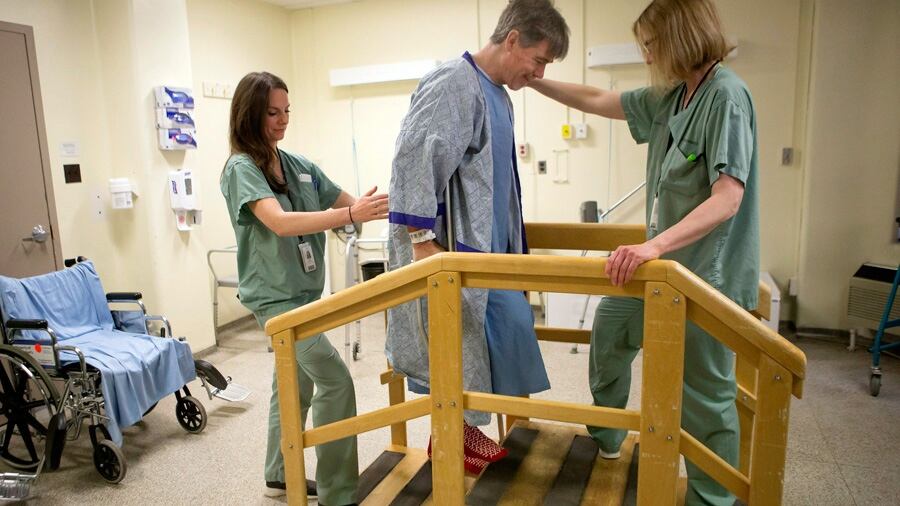
Many patients begin standing and walking with assistance shortly after surgery. Early movement helps improve circulation and supports healing.
Physical Therapy
Rehabilitation is an essential component of recovery. Structured exercises strengthen muscles, improve flexibility, and restore normal walking patterns.
Pain Management
Healthcare professionals provide individualized pain management strategies that may include medications, cold therapy, and gradual activity progression.
Returning to Daily Activities
Recovery timelines differ between individuals. Many patients gradually resume everyday activities over several weeks while continuing rehabilitation under professional guidance.
Who May Benefit from Private Hip Surgery Ontario?
Patients experiencing persistent hip pain despite non-surgical treatment may benefit from further orthopedic evaluation.
Common signs include:
- Chronic hip pain affecting daily life
- Reduced range of motion
- Difficulty walking or climbing stairs
- Pain during rest or sleep
- Joint stiffness that limits mobility
An orthopedic specialist can determine whether private hip surgery Ontario is the appropriate solution based on imaging, physical examination, and overall health.
Choosing the Right Orthopedic Specialist
Selecting an experienced orthopedic surgeon is an important step in achieving successful results.
Patients should consider factors such as:
Experience
Choose specialists with extensive expertise in hip procedures and joint replacement surgery.
Comprehensive Evaluation
A thorough consultation should include medical history, imaging review, discussion of treatment options, and realistic recovery expectations.
Rehabilitation Support
Quality postoperative care includes coordinated rehabilitation programs designed to maximize recovery and restore function.
Long-Term Results
Most individuals experience significant improvements in mobility after successful surgery and rehabilitation. Walking becomes easier, pain decreases, and many patients return to recreational activities they previously avoided.
Maintaining a healthy weight, staying physically active, and following rehabilitation recommendations can help preserve long-term joint function after private hip surgery Ontario.
Conclusion
Living with chronic hip pain does not have to become a permanent part of life. For many individuals seeking faster access to orthopedic care, private hip surgery Ontario provides an opportunity to address joint problems without prolonged delays. Through careful evaluation, personalized treatment planning, advanced surgical techniques, and dedicated rehabilitation, patients can regain mobility and improve their overall quality of life. Understanding the process empowers individuals to make informed decisions and take meaningful steps toward lasting relief and renewed independence.
