
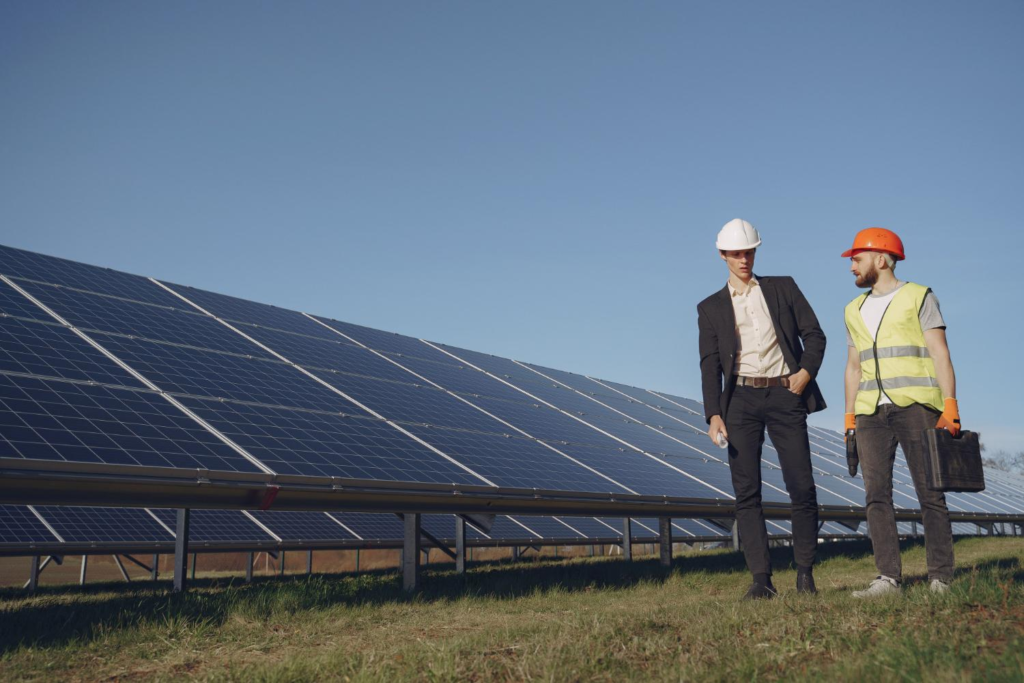
In the evolving landscape of renewable energy, structural engineering has become a decisive factor in determining solar system efficiency and longevity. While photovoltaic panels capture energy, it is the mounting framework that ensures stability, alignment, and resilience under varying environmental conditions. A well-designed solar mounting structure Dubai system does more than support panels; it optimizes performance by maintaining ideal positioning and reducing external stress factors. Modern infrastructure demands solutions that combine strength with adaptability. From commercial rooftops to large-scale solar farms, mounting systems must address challenges such as wind loads, thermal expansion, and material fatigue. The growing demand for reliable energy solutions has pushed manufacturers to refine engineering techniques and material selection processes.
Understanding the nuances of advanced mounting systems enables businesses to make informed investments. Whether for industrial or residential applications, choosing the right framework is essential for achieving consistent performance and long-term value.
Engineering Design That Drives Performance
The foundation of any efficient solar installation lies in its engineering design. A carefully structured system ensures that panels are positioned at optimal angles to capture maximum sunlight throughout the day. This alignment directly influences energy output, making precision a critical aspect of performance optimization.
Advanced design methodologies incorporate load analysis, environmental assessments, and structural simulations. These elements help engineers develop systems that remain stable even under fluctuating conditions. By accounting for wind pressure, seismic activity, and temperature variations, modern mounting systems achieve a balance between flexibility and strength.
Additionally, modular engineering has transformed installation processes. Prefabricated components simplify assembly while maintaining accuracy, reducing the risk of human error. This approach not only accelerates project timelines but also enhances consistency across installations. A high-quality mounting structure reflects this level of engineering sophistication, ensuring that every component contributes to efficiency and durability.
Material Innovation and Structural Integrity
Material selection plays a defining role in the longevity of mounting systems. Engineers now rely on advanced alloys and treated metals to enhance resistance against corrosion and environmental degradation. Galvanized steel and anodized aluminum are commonly used for their strength-to-weight ratio and durability in demanding conditions.
Protective coatings further extend the lifespan of structural components by minimizing exposure to moisture, heat, and pollutants. These innovations are particularly important in regions with harsh climates, where environmental stress can accelerate wear and tear.
Beyond durability, material efficiency also impacts installation and maintenance. Lightweight yet strong materials reduce structural load on buildings while simplifying handling during installation. This combination of resilience and practicality ensures that modern systems deliver long-term reliability.
In regions with challenging weather patterns, solutions like solar mounting structures are specifically engineered to withstand extreme conditions, demonstrating how material innovation directly supports performance and sustainability goals.
Adaptability to Diverse Installation Environments
Solar installations vary widely in terms of location and structural requirements. Rooftop systems, ground-mounted arrays, and industrial setups each demand tailored solutions that align with their specific constraints. Adaptability has therefore become a key characteristic of advanced mounting systems.
Adjustable frameworks allow for precise angle modifications, ensuring optimal sunlight exposure regardless of geographic location. This flexibility is particularly valuable in projects where site conditions change over time or where expansion is anticipated.
Engineers also consider factors such as roof type, soil stability, and load-bearing capacity when designing systems. By integrating these variables into the design process, mounting structures achieve a higher level of compatibility with diverse environments.
A well-designed mounting structure not only accommodates current requirements but also supports future scalability. This forward-thinking approach ensures that installations remain relevant as energy demands evolve.
Efficiency Through Precision Manufacturing
Precision manufacturing has redefined the quality standards of solar mounting systems. Advanced fabrication techniques, including CNC machining and automated welding, ensure that each component meets exact specifications. This level of accuracy reduces inconsistencies and enhances overall system stability.
Quality control processes further reinforce reliability by identifying potential defects before components reach the installation stage. These measures contribute to a seamless assembly process, minimizing delays and ensuring structural coherence.
Standardization has also improved compatibility across different system components. Uniform designs allow for easier integration, reducing complexity during installation and maintenance. This streamlined approach benefits both manufacturers and end users by delivering consistent performance outcomes.
In high-demand markets, systems such as solar mounting structure Dubai exemplify how precision manufacturing supports durability and efficiency, providing solutions that meet rigorous industry standards while maintaining cost-effectiveness.
Long-Term Value and Operational Sustainability
The true value of a mounting system lies in its ability to deliver consistent performance over time. Durable structures reduce maintenance requirements, minimizing operational disruptions and associated costs. This reliability is particularly important for large-scale installations where downtime can significantly impact energy output.
Sustainability is another critical consideration. High-quality materials and efficient designs contribute to reduced environmental impact by extending the lifecycle of components. This aligns with the broader goals of renewable energy adoption, where long-term efficiency is as important as initial performance.
Maintenance-friendly designs further enhance operational efficiency by allowing easy access to components for inspection and repair. This proactive approach helps identify potential issues before they escalate, ensuring uninterrupted functionality.
Investing in a robust solar panel mounting structure ultimately translates into greater financial and environmental returns, reinforcing the importance of precision and durability in modern energy systems.
Conclusion
As solar technology continues to advance, the role of mounting systems becomes increasingly significant in shaping overall performance. Precision engineering, innovative materials, and adaptable designs collectively define the effectiveness of these structures. By focusing on durability and efficiency, modern systems provide a strong foundation for sustainable energy solutions. Selecting the right solar mounting structure Dubai is not merely a technical decision; it is a strategic investment in long-term reliability and performance. Businesses that prioritize quality and engineering excellence are better positioned to achieve consistent energy output and reduced operational costs.
For those seeking advanced and dependable solutions, exploring specialized manufacturers such as Biston Construction Company can provide access to expertly engineered systems tailored to evolving industry demands.
