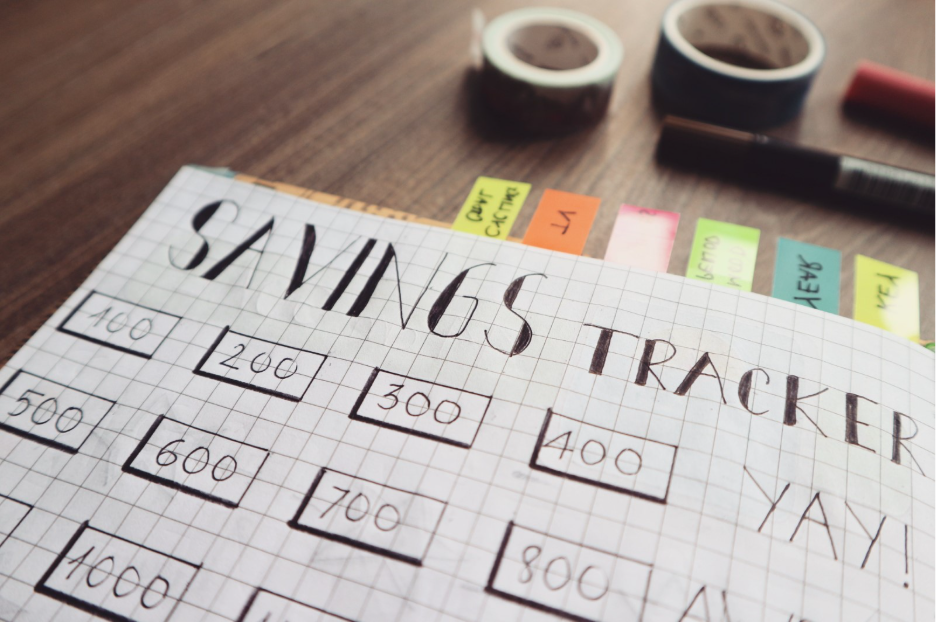
Saving money is much easier when it has a clear place in your budget. Without a separate plan, savings can easily get mixed in with everyday spending, making it tempting to dip into money you meant to keep. By giving your savings a dedicated purpose and setting aside money regularly, you can turn saving from a vague goal into a habit that actually sticks.
A credit card can also play a useful role when it’s part of a well-organized banking setup. Keeping everyday spending separate from the money you’re saving makes it easier to track where your money goes and protect the amount you’ve set aside for future goals.
Why a Separate Account Actually Changes Behavior
This sounds almost too simple to matter, but it genuinely works. Keeping savings separate from checking accounts creates a barrier against impulse spending while supporting more disciplined habits, purely because the money isn’t sitting right there tempting you every time you check your balance. Out of sight really does mean out of mind here, in a good way.
Pay Yourself First, Not Last
The order matters more than the amount. Set aside your savings at the start of the month, right after payday, rather than waiting to see what’s left over once everything else gets paid. If you wait until the end of the month to save whatever’s left, there’s usually nothing left; that’s just how spending tends to expand to fill whatever’s available.
Automate It So You Don’t Have to Think About It
Automatic transfers from checking to savings remove willpower from the equation entirely, and that’s exactly the point. Once it’s automated, you’re simply less likely to spend money that’s already moved somewhere else before you even have the chance to reconsider.
Small Amounts Genuinely Add Up
You don’t need to start with a huge number. Prioritizing savings from the start makes it a nonnegotiable habit, and watching that balance grow, even slowly, tends to motivate people to save more over time rather than less. The habit matters more at the start than the size of the deposit.
Treat Savings Like a Fixed Bill
This reframe changes everything for a lot of people. Add your monthly savings goal to your list of essential expenses, right alongside rent or utilities, and it becomes considerably harder to skip a month or quietly talk yourself out of it. Treating it as optional is exactly why it gets skipped so often.
A Savings Account Does More Than Just Hold Money
Beyond the psychological separation, a proper savings account offers safety, stability, and genuine interest earnings, along with quick access to funds when an actual emergency hits. It’s not just a holding pen, it’s meant to be doing something useful while it waits for you to need it.
Know What You’re Actually Saving For
A savings account without a specific goal tends to get raided the first time something tempting comes up. Whether it’s an emergency fund, a big purchase, or just general financial breathing room, having a clear target gives the money a purpose that’s harder to talk yourself out of than a vague “just in case.”
Review the Plan, Don’t Set It and Forget It Completely
Automating your savings doesn’t mean ignoring it entirely. Check in periodically, income changes, expenses shift, and your savings plan should adjust along with them, rather than staying frozen at whatever number felt right a year ago.
Building the Habit Is the Real Win
The actual goal isn’t hitting some perfect number in month one. It’s building a habit that survives contact with real life, an unexpected bill, a slow month, a tempting sale. Getting the structure right, separate account, automated transfer, treated like a fixed expense, does more for long-term saving success than any single big deposit ever could.
Start Simple, Stay Consistent
None of this requires a complicated financial strategy. A separate account, a consistent monthly transfer, and a real goal attached to the number, that’s genuinely most of the work. The rest is just letting time and consistency do what they’re supposed to do.