Introduction
A watch can add character to an outfit, reflect personal taste, and become part of a daily routine. Some people prefer a simple dial and slim case, while others enjoy bold colours or sporty details. With many options available, understanding these differences makes choosing easier.
Finding a luxury brand watch that suits your style starts with how you plan to wear it. Consider your usual clothing, wrist comfort, preferred materials, and useful features. Movement type and maintenance needs also deserve attention. Comparing these details helps you choose a timepiece that feels comfortable, fits your lifestyle, and remains enjoyable to wear.
Understand Your Personal Style Before Choosing a Watch
Start with the clothes you wear most often and the occasions that shape your routine. A watch should be easy to pair with your wardrobe and feel comfortable to wear. Looking at your existing outfits can help you narrow the options before comparing individual models.
Different design features can support different styles:
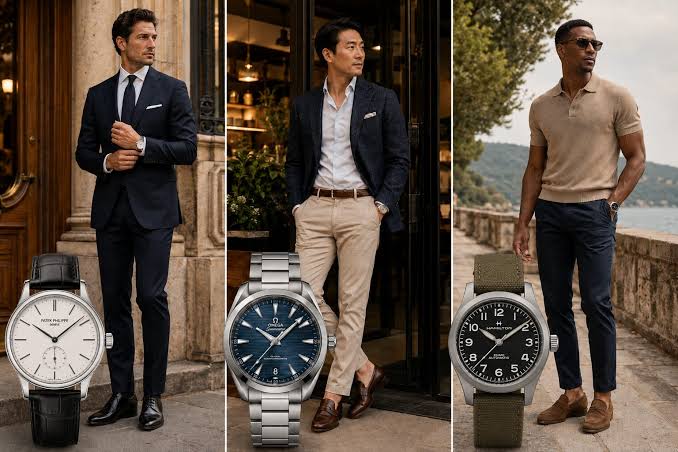
- Formal clothing: A slim case and simple dial can sit neatly beneath a shirt cuff and complement tailored outfits.
- Casual outfits: A sports watch with a metal bracelet or rubber strap can work well with jeans, polo shirts, and trainers.
- Minimalist preferences: Clear markers, neutral colours, and limited decoration create a subtle appearance.
- Expressive tastes: Colourful dials, textured finishes, or unusual case shapes can add character to a simple outfit.
These are starting points rather than strict rules. A dress watch can suit casual clothing, and some sports models work comfortably with a jacket. When choosing a luxury brand watch, consider whether you can picture yourself wearing it regularly. Personal enjoyment matters more than matching every fashion trend.
Explore Different Luxury Watch Designs and Categories
Watch categories provide a useful starting point when comparing designs. Each has features shaped by its intended purpose, although many models work well beyond their original setting. Understanding these differences can help you find a watch that suits your routine.
Dress Watches for a Simple, Classic Look
Dress watches typically feature slim cases, clean dials, and limited decoration. Their proportions help them fit beneath a shirt cuff, making them suitable for formal occasions and business wear. Many also pair comfortably with casual clothing, especially when the design is understated.
Sports and Dive Watches for Active Use
Sports watches often combine sturdy construction with clear displays and practical features. Dive watches are a more specific category, typically offering strong water resistance, visible markers, and a bezel for tracking elapsed time. Check the individual model’s specifications and manufacturer’s guidance before using it for water activities.
Chronographs for Measuring Elapsed Time
A chronograph adds a stopwatch function to a watch. Pushers usually control starting, stopping, and resetting, while subdials display measured intervals. These features often create a detailed dial layout. Buyers should consider whether they will use the function and whether the display remains easy to read.
Pilot and Field Watches for Readability
Pilot watches often use prominent numerals and contrasting hands to make the time easy to read. Field watches generally favour straightforward layouts and practical construction. Both styles can suit everyday wear, though case size, thickness, and available functions vary between models. Trying them on helps reveal which design feels most comfortable.
Pay Attention to Materials, Movement, and Build Quality
A watch should feel comfortable, work reliably, and suit its intended use. Looking closely at the materials, movement, and construction helps you understand what a model offers beyond its appearance.
Choose Materials That Suit Your Routine
Stainless steel offers strength and corrosion resistance, making it practical for regular wear. Titanium weighs less and may appeal to anyone who finds heavier watches uncomfortable. Gold adds a traditional appearance but can show scratches with use. Ceramic resists many surface scratches, although a hard impact can cause damage. Consider these differences alongside your budget and preferred look.
Understand the Movement and Its Care Needs
Battery-powered quartz movements generally offer accurate timekeeping with little routine attention. Automatic movements use a rotor to wind the mainspring as the wrist moves, while manual mechanical movements require winding by hand. Each type has different maintenance needs, so check the manufacturer’s guidance and consider which ownership routine suits you.
Examine the Crystal and Case Finishing
Sapphire crystal provides strong scratch resistance, though it can still chip or break under impact. Look for clear visibility through the crystal, smooth case edges, and consistent finishing. Brushed and polished surfaces create different appearances, but either should feel carefully finished without rough areas.
Check the Bracelet, Strap, and Clasp
A bracelet should move comfortably, fit securely, and allow suitable adjustment. Straps should feel flexible without rubbing against the wrist, while the clasp should close firmly and open as intended. Trying the watch on can reveal pressure points, excess movement, or an awkward fit that photographs may not show.
Choose the Right Watch Size, Shape, and Color
Watch size affects comfort and appearance. Compare case diameter, thickness, and the distance between the lug tips. Trying different models helps you find proportions that sit comfortably without extending beyond your wrist.
Case shape also influences the fit. Round watches offer a familiar appearance, while square and rectangular cases can feel different despite similar measurements. Check how each design rests against your wrist.
Dial colour should suit your preferences and wardrobe. Neutral shades pair easily with different outfits, while brighter colours add character. Choose a luxury brand watch you feel comfortable wearing regularly and enjoy pairing with your clothes.
Consider Your Lifestyle, Budget, and Long-Term Value
Your routine should guide your choice of watch. A slim model may suit office clothing, while outdoor activities may require sturdy construction and suitable water resistance. Frequent travellers might appreciate a second time zone. Choose features you will use and a design you feel comfortable wearing regularly.
Set a budget that includes servicing, battery changes where needed, and possible strap replacement. Compare materials, movement type, warranty coverage, and seller reputation before purchasing. Ask for clear information about authenticity and condition, especially when buying pre-owned. Resale prices can change, so future profit should never be assumed.
Focus on personal enjoyment and manageable ownership costs. A watch that matches your habits and spending plans can remain a valued accessory for many years.
Frequently Asked Questions
How do I choose a luxury watch that matches my style?
Start with the clothes you wear most often and where you plan to wear the watch. Compare dial colours, case shapes, and strap options to find a design that feels natural with your wardrobe.
What watch size is right for my wrist?
Consider case diameter, thickness, and the distance between the lug tips. The watch should sit comfortably without awkward overhang. Trying on different models helps you judge fit more accurately than measurements alone.
Should I choose a quartz or mechanical watch?
Quartz watches generally offer accurate timekeeping with little routine attention. Mechanical watches appeal to people who enjoy their engineering and winding process. Choose according to your preferences and willingness to maintain the watch.
Can one luxury watch suit both formal and casual outfits?
Yes. A watch with balanced proportions, a clear dial, and a colour you regularly wear can suit different settings. Check that its thickness fits comfortably beneath a shirt cuff.
What costs should I consider beyond the purchase price?
Allow for servicing, battery replacement where needed, and possible strap or bracelet repairs. Ask about warranty coverage and service options before buying so you understand the likely ownership costs.
Conclusion
Choosing a luxury brand watch starts with your style, comfort, and daily routine. Compare materials, movement types, useful features, and maintenance needs to understand what each model offers. Consider how it fits your wrist, wardrobe, and budget. Taking time to explore different options can help you find a timepiece that feels personal, performs reliably, and remains enjoyable to wear through everyday moments and special occasions for many years to come.