
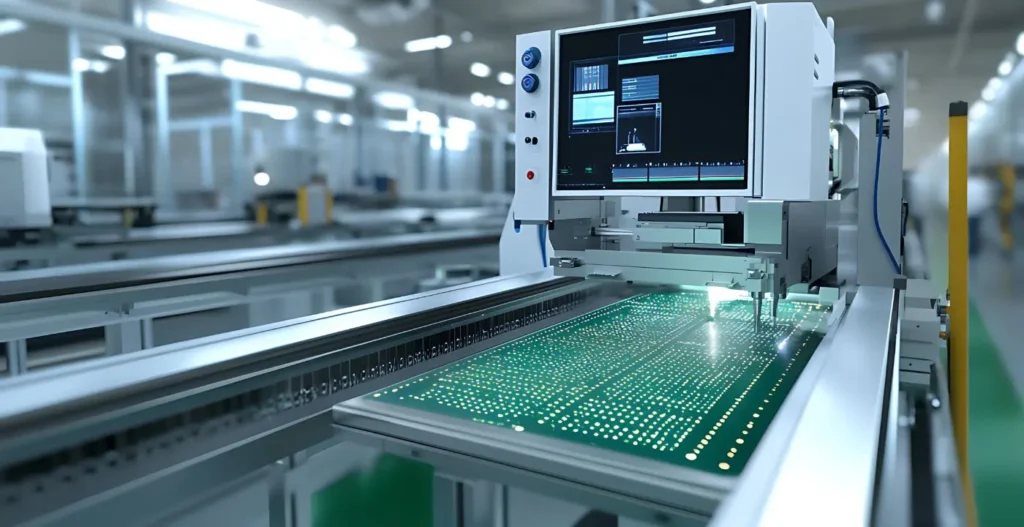
Industrial inspection relies heavily on imaging technologies that can reveal internal defects without damaging products. Advanced X-ray source design has significantly strengthened the accuracy and reliability of inspection systems used across industries such as aerospace, electronics, automotive, and manufacturing. Many organizations collaborate with an integrated X-ray source manufacturing company to access well-engineered systems capable of delivering stable imaging performance and precise defect detection. By integrating optimized energy generation, improved system architecture, and reliable thermal control, modern X-ray sources help manufacturers maintain strict quality standards while ensuring consistent inspection outcomes.
Precision Energy Control in X-Ray Systems
X-ray sources must generate consistent radiation levels that penetrate materials effectively while maintaining image clarity. Variations in voltage or energy distribution can lead to blurred images, reduced contrast, and missed defects. Advanced engineering techniques allow systems to maintain steady output, ensuring every scan produces dependable results.
- Stable Radiation Output
Consistent radiation output is essential for generating clear and repeatable inspection images. Advanced source designs regulate voltage and current with high precision, ensuring that energy levels remain stable throughout scanning operations. This stability reduces image noise and improves contrast, allowing inspectors to identify internal defects with greater clarity. - Enhanced Imaging Resolution
Higher imaging resolution allows inspection systems to detect extremely small defects that might otherwise remain hidden. Modern X-ray sources are designed with precise beam focusing capabilities that enhance image sharpness and structural detail. This improved clarity enables manufacturers to examine intricate components and layered materials with greater confidence. - Optimized Energy Distribution
Advanced X-ray systems distribute energy evenly across the imaging field to prevent distortion or inconsistent brightness in inspection images. Uniform energy distribution ensures that every section of the scanned object receives balanced exposure, leading to accurate visualization of internal structures.
Integration of Advanced Generator Technologies
Modern systems rely on efficient generator architectures that support stable imaging conditions and improved operational reliability. Many inspection systems integrate a high-frequency generator X ray technology to achieve faster response times, precise voltage control, and improved energy efficiency.
- Efficient Power Conversion
Generator technology plays a crucial role in converting electrical power into controlled X-ray energy. Advanced power conversion systems minimize energy loss while maintaining stable output levels during inspection operations. Efficient conversion processes also help reduce heat generation, thereby supporting longer equipment lifespans and consistent system performance. - Improved System Responsiveness
High-performance generators allow X-ray systems to respond quickly to changes in operational settings. Rapid adjustments in voltage and current enable inspectors to modify imaging parameters according to material density or inspection requirements. This responsiveness ensures that inspection equipment can adapt to different industrial applications while maintaining consistent imaging accuracy. - Enhanced Operational Reliability
Advanced generator systems are designed with durable components and protective mechanisms that maintain stable performance over time. These technologies protect equipment from fluctuations in electrical input while ensuring reliable energy delivery during inspections. Improved reliability reduces unexpected system interruptions and supports continuous operation in demanding industrial environments.
Integrated System Architecture for Reliable Imaging
Engineers carefully coordinate the interaction between X-ray sources, power systems, cooling mechanisms, and imaging detectors to ensure optimal performance. An integrated X-ray source manufacturing company typically focuses on designing systems where each component operates in harmony with the others.
- Coordinated Component Performance
Integrated system design ensures that every component contributes to overall imaging accuracy. Power generators, X-ray tubes, detectors, and cooling systems must operate in precise synchronization to produce reliable inspection results. When these elements function cohesively, the entire inspection process becomes more stable and efficient. Coordinated performance reduces technical inconsistencies and improves the reliability of imaging outcomes. - Improved System Stability
System stability plays a vital role in maintaining consistent inspection quality across multiple scanning cycles. Integrated designs help stabilize electrical signals, mechanical structures, and thermal conditions throughout the inspection process. This stability prevents fluctuations that could affect image clarity or measurement accuracy. A stable inspection environment ensures that results remain consistent regardless of operational duration or inspection complexity. - Enhanced Imaging Consistency
Consistency is essential when inspection systems analyze large volumes of industrial components. Integrated architecture allows imaging systems to maintain uniform performance across repeated scanning operations. This consistency enables inspectors to compare results accurately and detect even minor structural variations. Reliable imaging consistency strengthens the credibility of inspection data and supports effective quality control procedures.
Thermal Management and System Durability
Thermal management is another critical factor influencing the performance of advanced X-ray sources. During operation, X-ray systems generate significant heat due to continuous energy conversion and radiation production. Effective thermal control mechanisms prevent overheating and ensure stable operation under demanding industrial conditions.
- Efficient Heat Dissipation
Modern X-ray systems incorporate advanced cooling technologies that dissipate heat efficiently during prolonged operation. Heat exchangers, cooling channels, and specialized materials help regulate temperature levels within the system. Effective heat dissipation protects internal components from thermal stress and maintains consistent energy output. This controlled environment ensures reliable inspection performance even during high-intensity scanning processes. - Extended Equipment Lifespan
Proper thermal management significantly extends the operational lifespan of X-ray equipment. By maintaining stable temperature conditions, advanced designs prevent component degradation and reduce maintenance requirements. Durable equipment supports long-term industrial inspection operations while minimizing unexpected downtime. An extended lifespan also improves the overall return on investment for organizations relying on X-ray inspection technologies. - Reliable Long-Term Performance
Thermally stable systems maintain consistent performance across extended operational periods. Reliable cooling mechanisms prevent fluctuations that could compromise imaging accuracy or system stability. Long-term performance reliability allows manufacturers to conduct continuous inspections without interruptions, ensuring efficient quality control processes in demanding production environments.
Conclusion
Advanced X-ray source design plays a crucial role in improving inspection accuracy across industrial applications. By combining stable energy control, advanced generator technology, integrated system architecture, and effective thermal management, modern imaging systems deliver precise and reliable inspection results. These innovations enable manufacturers to detect defects more accurately, maintain product quality, and strengthen non-destructive testing processes.
Organizations seeking dependable inspection technologies often collaborate with experienced providers capable of delivering integrated solutions. In this space, companies such as VJ X-Ray are recognized for contributing advanced imaging technologies and system engineering expertise that support reliable inspection performance. Their work with technologies like high-frequency generator X-ray systems helps industries implement efficient and high-precision inspection solutions that strengthen overall quality assurance.
