
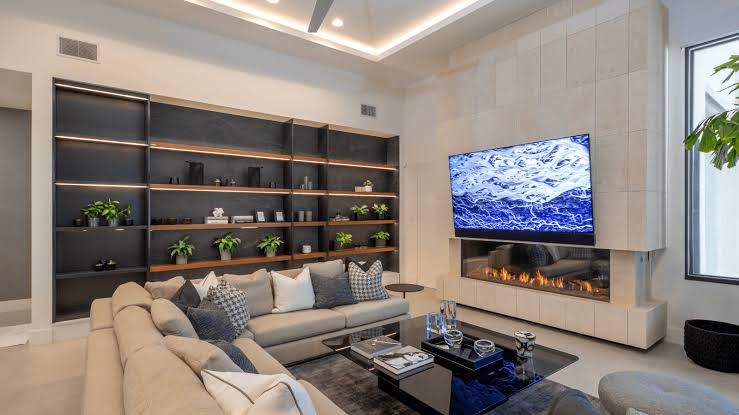
Creating a home that feels truly comfortable and functional requires more than just decoration. It involves a deep understanding of space, lifestyle needs, design principles, and long-term usability. Modern homeowners are increasingly looking for interiors that reflect personality while also offering convenience and efficiency in daily life. This is where professional home interior services become essential, as they help bridge the gap between imagination and practical execution.
A thoughtfully designed home is not built overnight. It requires careful planning of layouts, material selection, lighting design, and space optimization. Every element must work together to create harmony between beauty and functionality. With expert involvement, even simple spaces can be transformed into elegant, highly usable environments that improve quality of life. The focus today is not only on visual appeal but also on comfort, flow, and emotional well-being within the home.
Designing Functional Spaces With Balanced Interior Planning
Interior planning is the foundation of any successful home design. A well-structured layout ensures that every area serves a purpose while maintaining comfort and movement efficiency. Good planning eliminates wasted space and improves usability across all rooms.
- Smart Space Utilization For Modern Homes
Efficient space utilization is essential in both small and large homes. Designers carefully analyze available areas and plan furniture placement, storage, and movement pathways. This ensures that every corner is functional, reducing clutter and improving openness and accessibility throughout the home.
- Comfort-Driven Layout Planning Techniques
Comfort plays a central role in modern interior planning. Layouts are designed to support relaxation, easy navigation, and practical use. From living rooms to bedrooms, each area is structured to create a natural flow that enhances convenience and makes daily living more enjoyable.
- Lifestyle-Based Custom Design Approach
Every household has different routines and preferences. Customized interior design focuses on aligning the home’s structure with the residents’ lifestyle. Whether it is a family-focused home or a minimal modern apartment, personalization ensures better satisfaction and long-term usability.
- Material Selection for Long-Lasting Interiors
The choice of materials significantly impacts durability and appearance. High-quality finishes, flooring options, and fittings ensure that interiors remain strong and visually appealing over time. Proper selection also reduces maintenance needs and increases the overall lifespan of the design.
- Lighting Strategies For Better Ambiance
Lighting is a key design element that influences mood and functionality. A combination of natural, ambient, and task lighting creates balanced interiors. Proper lighting enhances visibility, highlights décor elements, and creates a warm, welcoming atmosphere.
Modern Approach Using Home Interior Services Solutions
Professional design support ensures structured planning and efficient execution. Using home interior services allows homeowners to achieve well-organized, aesthetically pleasing, and highly functional spaces without unnecessary stress or confusion during the design process.
- Expert Planning And Design Execution Support
Interior professionals bring technical knowledge and creative expertise to every project. They guide homeowners from concept development to final execution, ensuring that each stage is handled with precision and aligned with the desired design outcome.
- Creative Design Concepts For Unique Homes
Modern interior design focuses on originality and innovation. Designers introduce fresh concepts that enhance visual appeal while ensuring practicality. These creative approaches help transform simple homes into stylish and personalized living environments.
- Efficient Project Management And Coordination
Managing an interior project involves coordination between multiple teams, including contractors, vendors, and suppliers. Professional designers streamline this process, ensuring timely execution, reduced delays, and smooth workflow across all stages of development.
- Quality Control And Finishing Excellence
Attention to detail defines the success of any interior project. From wall finishes to furniture installation, quality control ensures that every element meets design standards. This results in a polished, refined, and visually consistent home interior.
- Budget-Friendly Design Optimization
Professional planning helps homeowners manage budgets effectively. Designers optimize material usage and labor costs while maintaining high design standards. This ensures that quality interiors can be achieved without unnecessary financial strain.
Enhancing Home Value Through Interior Transformation
Interior design plays a significant role in increasing property value. A well-designed home not only improves daily living but also enhances long-term investment potential. Buyers and homeowners both value spaces that are functional, modern, and aesthetically appealing.
Smart storage solutions, improved lighting, and efficient layouts contribute to better usability. These enhancements make homes more practical while increasing market appeal. Over time, well-designed interiors also reduce maintenance costs and improve overall durability, making them a valuable long-term investment.
Creating Emotional Comfort Through Thoughtful Design
A home should provide emotional comfort in addition to physical functionality. Thoughtful design helps create peaceful, organized, and stress-free environments that positively influence mental well-being.
Color psychology plays an important role in setting the mood of interiors. Soft tones promote relaxation, while vibrant shades add energy. Combined with proper lighting and furniture arrangement, these elements create a balanced environment that supports both relaxation and productivity.
Smart Storage Solutions For Modern Living Spaces
Storage is a critical aspect of modern home design. Without proper storage planning, even large homes can feel cluttered and disorganized. Designers integrate smart storage systems to maximize space efficiency.
Built-in wardrobes, modular cabinets, and multifunctional furniture help reduce clutter while maintaining style. These solutions ensure that every item has a designated place, improving cleanliness and organization throughout the home.
Sustainable Design Practices For Future Ready Homes
Modern interior design also focuses on sustainability and eco-friendly practices. Using energy-efficient lighting, sustainable materials, and waste-reducing designs helps create environmentally responsible homes.
Natural materials like wood, bamboo, and stone are increasingly used for their durability and low environmental impact. Energy-saving layouts and ventilation planning also reduce electricity consumption, making homes more efficient and future-ready.
Conclusion
Interior design is a powerful combination of creativity, planning, and functionality that transforms houses into meaningful living spaces. A well-designed home enhances comfort, improves efficiency, and reflects the personality of its residents. It is not just about appearance but about creating an environment that supports better living every day.
For those seeking professional transformation, home interior designers in Whitefield offer expert solutions tailored to modern lifestyles and design needs. With innovative planning and execution, WeDezine Studio delivers complete interior design services that turn concepts into beautifully crafted, functional, and comfortable living spaces.
