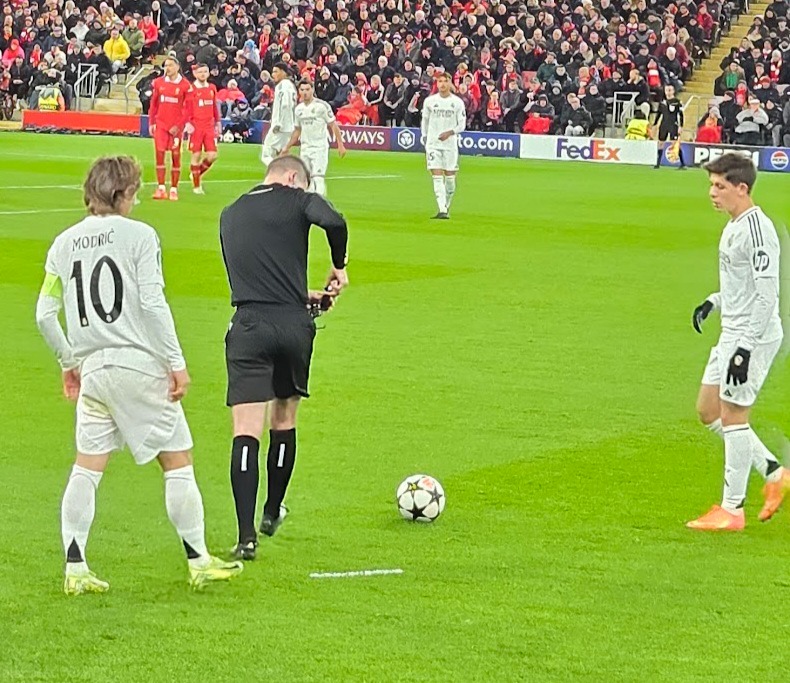
What separates players with long football careers from the rest is not fitness alone. The ones who last change how they play, protect their energy for the moments that matter, and work inside an environment built to keep them going. The 2026 World Cup put that idea on show, with Cristiano Ronaldo (41), Luka Modrić (40), Edin Džeko (40), Yuto Nagatomo (39) and Lionel Messi (nearly 39) all in the tournament, according to Al Jazeera.
How do the best-known veterans actually compare?
Most coverage simply lists the oldest players. A more useful approach is to ask how each one changed their game. The Match Journal describes distinct late-career models, and the table below summarises them alongside the ages reported at the World Cup.
| Player | Age reported (June 2026) | Current club | How the game was adapted |
|---|---|---|---|
| Cristiano Ronaldo | 41 | Al-Nassr | Conserves energy for decisive actions |
| Lionel Messi | Nearly 39 | Inter Miami | Runs less, leans toward coordinating play |
| Luka Modrić | 40 | AC Milan | Reads space, relies on first touch and tempo control, so fewer physical duels |
| Edin Džeko | 40 | Not confirmed here | Movement and finishing inside the box, little reliance on pace |
Ages shift with the calendar. Modrić was born on 9 September 1985, so he turned 41 in September 2026, and Messi, born on 24 June 1987, is now 39. Check the date on any age you read.
Is fitness the main reason these players last?
Fitness is the entry ticket, not the explanation. Vlatko Vucetic, a kinesiology professor at the University of Zagreb who has trained Modrić for more than ten years, told Al Jazeera that the drive to keep playing at an older age usually comes from within, not from money. Paddy Hogben, Brentford’s rehabilitation coach, co-wrote an academic paper on career longevity that stresses psychosocial and organisational factors, such as a supportive environment and strong leadership.
Tony Strudwick, who worked with Ronaldo at Manchester United, told AP years ago that he expected Ronaldo to play until 40 because of his professionalism. AP’s own reading was that psychology and attitude matter as much as physical condition. My view is that discipline is the factor most often underrated, because it is the one that turns good conditioning into a decade of availability.
Sports science is widening the window too. Professor Bruce, speaking to ABC News, said load management and individualised recovery are helping athletes compete for longer.
Readers who want to keep exploring football and sports content beyond these player profiles can find it on this football and sports coverage page.
Does tactical adaptation matter more than athleticism?
For outfield players, I think it matters most. Messi, Modrić and Džeko each moved the demands of their role away from what ageing bodies lose first. Messi runs less and organises more, Modrić avoids physical contests through anticipation, and Džeko’s value sits in positioning rather than speed.
Ronaldo is the most interesting case, because he keeps the same job, finishing, and rations the effort around it. That approach is a bet that a narrower role can be sustained for longer, and it depends on a team willing to build around it.
Ảnh: Jabby1, Wikimedia Commons (CC BY-SA 3.0)
Why are goalkeepers the control group?
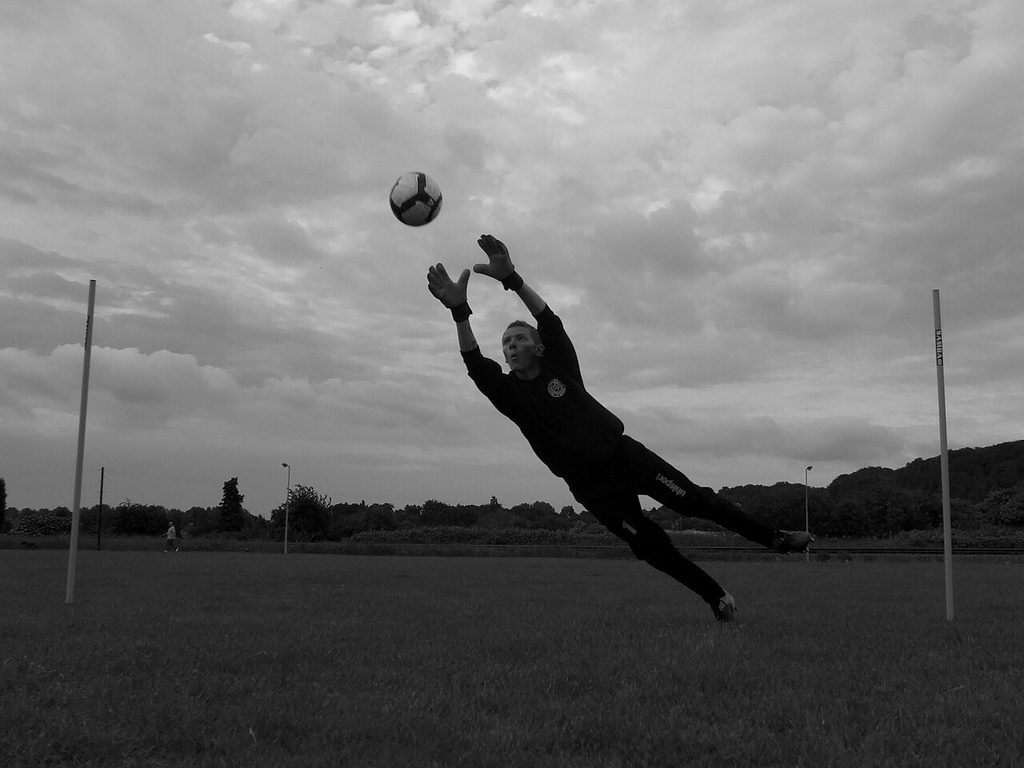
Position changes the whole equation. According to Yahoo Sports, eight of the 10 oldest players to appear at a World Cup were goalkeepers, and Scotland’s Craig Gordon is the oldest player at the 2026 tournament. Mexico’s Guillermo Ochoa, 40, is also heading for a sixth World Cup, a record he shares with Ronaldo and Messi, per ABC News.
Goalkeepers face fewer repeated high-speed runs than outfield players, so their careers extend naturally. That is a useful reminder that some of the longevity we admire is partly the position, not only the person. Only seven players over 40 have ever appeared at a men’s World Cup, so the achievement remains rare even with that advantage.
Does a long career mean the same quality?
No, and this is where most listicles stop too early. Professor Bruce cautioned that longevity does not equal the quality of a player’s peak. Playing at 40 and being decisive at 40 are separate claims.
She also pointed out that individualised recovery, often done at home and with large resources, is available to very few. The lesson that transfers is the habits: sleep, load awareness and a supportive environment. The bespoke recovery set-up does not transfer to most players.
For readers who follow football alongside other sports, https://w88.inc/ is an online entertainment and sports website with football sections, plus registration and login pages, aimed at adults only.
What should we watch next?
The gap in this conversation is hard data. Minutes per season, injury rates and physical output from FIFA, UEFA or clubs would turn these profiles into evidence rather than impression, and I have not seen it published in the coverage reviewed here. Watch how Modrić at AC Milan, Ronaldo at Al-Nassr and Messi at Inter Miami are used over a full season. If their roles keep narrowing, the real story of long football careers will be about clubs designing around age, not players defying it.