
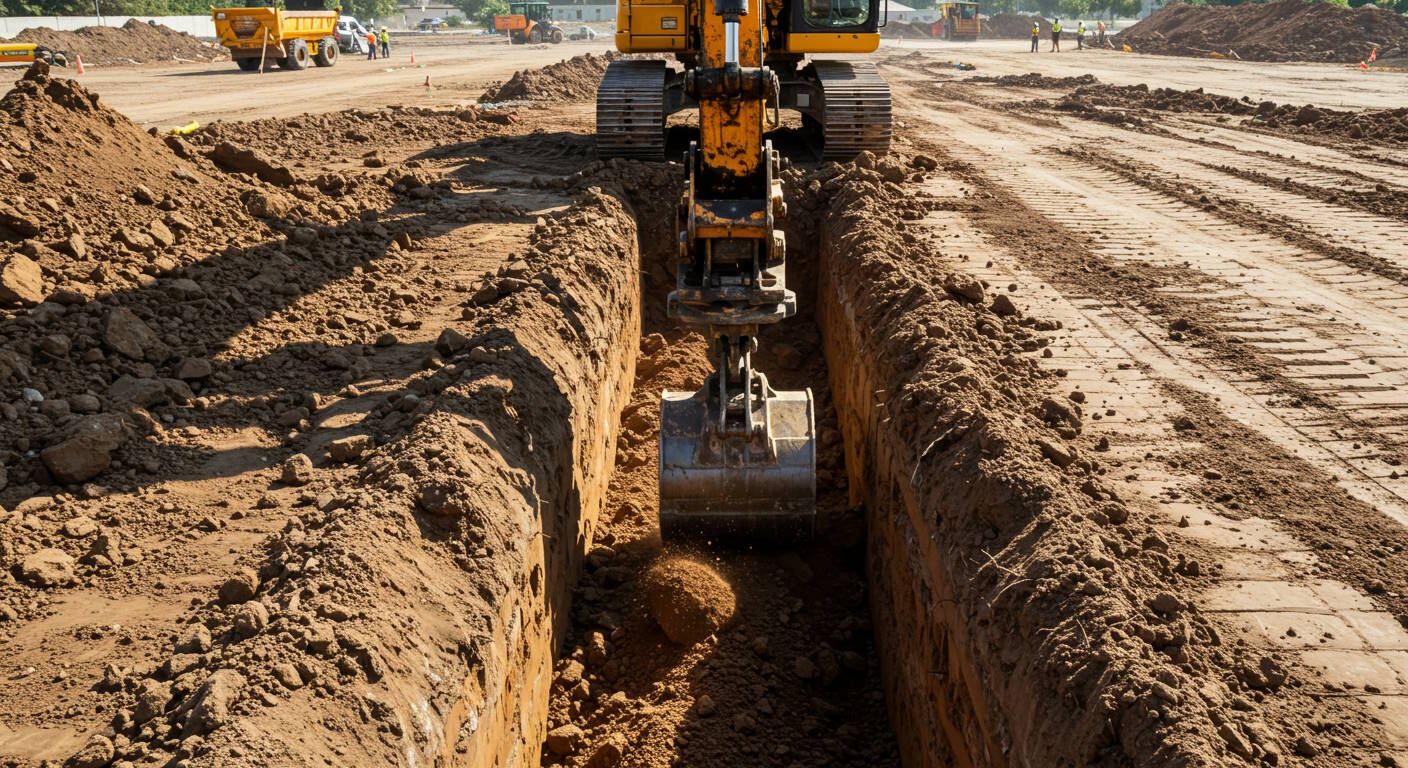
Introduction
Every successful construction or landscaping project begins with proper preparation, especially when you need to dig trenches. Whether the goal is to install underground utilities, improve drainage, prepare irrigation systems, or create landscape features, a well-planned trench provides the foundation for long-lasting results.
Although trench excavation may seem simple, it requires careful planning, accurate measurements, and attention to ground conditions. When you dig trench correctly, you reduce the chances of uneven excavation, poor water flow, and costly future repairs.
This guide explores the essential planning tips, excavation techniques, and maintenance practices that help ensure every trench is completed efficiently and safely.
Why It Is Important to Dig Trenches Properly
Trenches support a wide range of residential and commercial projects. Their quality directly affects the performance of the systems installed within them.
Common reasons to dig trenches include:
- Installing drainage systems
- Laying underground utility lines
- Creating irrigation channels
- Preparing foundations
- Managing stormwater runoff
- Supporting landscape improvements
Proper trench excavation contributes to greater stability, improved functionality, and reduced maintenance over time.
Start With a Detailed Plan
Define the Project Requirements
Before you dig trenches, determine exactly what the excavation must accomplish.
Consider:
- Required trench depth
- Desired width
- Overall length
- Ground elevation
- Final application
Having a clear plan minimizes mistakes during excavation.
Mark the Excavation Route
Use guide lines or markers to outline the trench before work begins.
Clearly marked paths help maintain straight lines and consistent dimensions throughout the project.
Understand Soil Conditions
Ground conditions play an important role in trench excavation.
Clay Soil
Clay retains moisture and may become compact, making excavation more demanding.
Sandy Soil
Sandy soil is easier to excavate but may require additional attention to prevent shifting.
Rocky Soil
Rocky terrain often slows excavation and requires careful planning before you dig trenches.
Evaluating soil conditions helps improve efficiency and reduces unexpected challenges.
Prepare the Site Before Excavation
Preparation is often the difference between a smooth project and unnecessary delays.
Before beginning to dig trenches, complete the following tasks:
- Remove vegetation and debris.
- Measure the excavation area.
- Mark trench boundaries.
- Locate underground utilities.
- Plan where excavated soil will be stored.
A well-prepared site creates a safer and more organized workspace.
Step-by-Step Process to Dig Trenches
Step 1: Clear the Surface
Remove grass, loose rocks, roots, and surface materials that may interfere with excavation.
A clean surface improves visibility and accuracy.
Step 2: Begin Excavation
Start digging gradually while maintaining the planned width and depth.
As you dig trenches, inspect measurements regularly to maintain consistency.
Step 3: Shape the Trench Bottom
A level trench bottom provides better support for drainage systems, utility lines, or irrigation pipes.
Uneven surfaces can reduce installation quality.
Step 4: Remove Loose Material
After excavation is complete, clean loose soil and debris from the trench before moving to the installation stage.
Applications That Require Trenches
Many outdoor improvement projects involve trench excavation.
Drainage Systems
Properly excavated trenches guide excess water away from buildings and landscaped areas.
Utility Installations
Water lines, communication cables, and electrical conduits are commonly placed inside trenches.
Irrigation Projects
Underground irrigation systems rely on accurately excavated trenches for reliable performance.
Landscaping Features
Garden borders, retaining walls, and decorative landscape elements often require trench excavation.
Safety Guidelines
Whenever you dig trenches, maintaining a safe work environment should remain a priority.
Helpful safety practices include:
- Inspect trench walls regularly.
- Keep the work area free of unnecessary clutter.
- Watch for unstable soil conditions.
- Monitor weather changes.
- Avoid excessive excavation beyond project requirements.
Following safe procedures helps reduce risks while improving project efficiency.
Common Mistakes to Avoid
Many trenching problems result from poor planning rather than difficult working conditions.
Avoid these common errors:
- Failing to measure accurately
- Ignoring soil conditions
- Digging inconsistent trench depths
- Excavating too quickly
- Creating uneven trench bottoms
- Neglecting regular inspections
Avoiding these mistakes leads to stronger and more dependable results.
Tips for Professional-Quality Results
Measure Frequently
Regular measurements help maintain uniform trench dimensions.
Work in Small Sections
Excavating one section at a time improves accuracy and organization.
Keep the Site Organized
Proper management of excavated soil creates a cleaner and safer work environment.
Inspect Throughout the Project
Routine inspections allow you to correct small issues before they become significant problems.
Plan for Drainage
If the trench is intended for water management, maintaining the proper slope is essential for effective performance.
Long-Term Benefits of Proper Trenching
Choosing the right techniques when you dig trenches provides several long-term advantages:
- Improved drainage efficiency
- Better support for underground systems
- Reduced maintenance costs
- Increased structural stability
- More durable project outcomes
Proper excavation creates a reliable foundation that supports future performance.
Conclusion
Learning how to dig trenches efficiently is an important part of many construction and landscaping projects. Careful planning, accurate measurements, attention to soil conditions, and consistent excavation techniques all contribute to successful results. By preparing the site thoroughly, maintaining uniform trench dimensions, and following safe work practices, you can complete trenching projects with greater confidence and long-lasting reliability.
Whether you’re improving drainage, installing utilities, or preparing land for future development, taking the time to dig trenches correctly ensures a stronger foundation and dependable performance for years to come.
