
A youth football training plan is an essential tool for coaches to comprehensively develop the skills of young children. This article S8 will help you learn how to build and implement an effective training plan for children.
Why are youth football training plans necessary?
Constructionyouth football lesson plansIt not only helps children develop their ball-playing skills but also fosters teamwork and improves their physical health. A suitable lesson plan will help children enjoy this sport.
This training program will focus on developing foundational skills for young players. To achieve this, close monitoring and the selection of exercises appropriate to each child’s age, fitness level, and development are essential. These will lay a solid foundation for the development of future football skills.
Long-term benefits of youth football training programs.
Youth football training programs not only provide immediate benefits but also contribute to children’s long-term development in sports. The exercises and activities help children build foundational skills, thereby creating opportunities for them to participate in physical activities, competitions, and improve their health.
In addition, training helps children develop teamwork, patience, and discipline. These are important qualities not only in sports but also in daily life.
See more: Tải App S88
How to implement a youth football training plan.

When performingyouth football lesson plansIn this regard, coaches need to pay attention to many different factors, from choosing exercises to how to communicate with young children.
A crucial step in this process is clearly defining the lesson plan’s objectives. You need to know what you want the students to learn from each session, from individual skills to teamwork. Below are some key elements to consider for an effective lesson plan.
Establish a workout structure.
A youth football training session needs to be structured clearly. This could include warm-ups, main exercises, games, and a recovery/recovery phase.
Warm-ups are very important because they help children get used to the movements, increase flexibility, and minimize the risk of injury. Warm-up exercises can include light physical activities such as running around the yard, jumping rope, or stretching exercises.
The main training session should focus on skills such as passing, ball control, shooting, or teamwork. Coaches can use mini-games to increase the children’s engagement. Finally, a concluding session with stretching exercises will help children recover after the training session and soothe their muscles.
Communicating with young children
Communication is one of the key factors in ensuring thatyouth football lesson plansThis is done effectively. Coaches need to build a good relationship with the young players, which can be done by asking for their opinions on exercises and by regularly encouraging and motivating them.
Whenever a child completes an exercise correctly, praise them and point out their strengths. This not only helps them feel confident but also encourages them to practice and improve their skills.
In addition, coaches need to be flexible in adjusting exercises to suit each group of players. Each child has their own strengths and weaknesses, so a personalized approach is needed to ensure each child has the opportunity to develop.
Interesting exercises in youth football training plans.
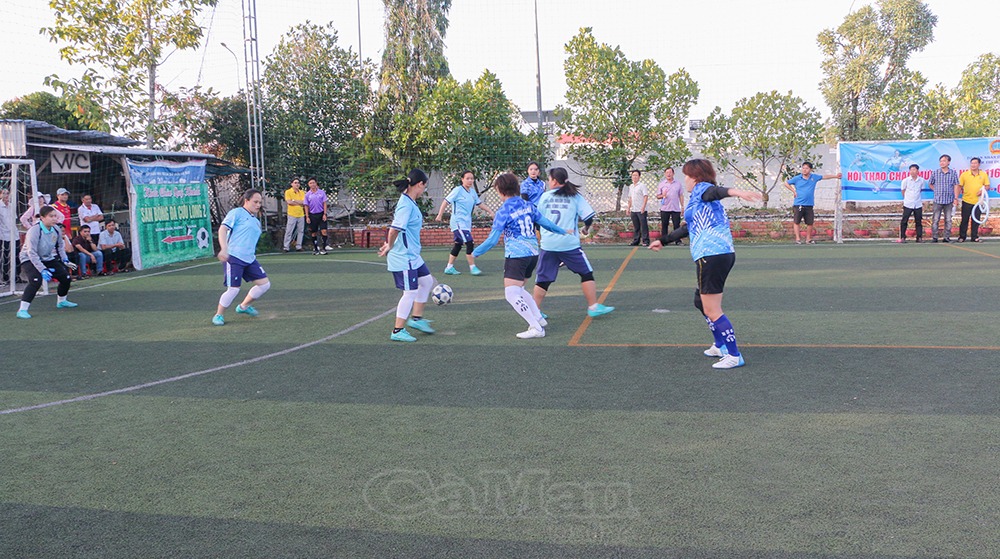
One youth football lesson plansIt’s important to include fun exercises to keep young children interested and energized. Creativity in designing exercises can help children feel more enthusiastic about the sport.
Volleyball exercises
Volleyball is a fun game that can help children develop communication skills, reflexes, and coordination. The game may include passing the ball from one person to another, using the feet instead of the hands.
This is a way to help children develop accuracy when shooting or passing, while also helping them understand how to move and interact with teammates during play. They will find it exciting to see the results of their efforts.
Team games
Team games are an integral part ofyouth football lesson plansThese activities not only help children develop technical skills but also build teamwork and determination.
A game called “moving along the pegs” would be very suitable. In this game, children move around a large soccer field and need to coordinate their passing skills to score goals. This not only helps children improve their individual skills but also creates opportunities for them to interact and build better relationships among team members.
Conclude
In summary,youth football lesson plansThis plays a crucial role in developing children’s skills and love for the sport. Implementing a structured curriculum that pays attention to each child’s individual needs will help them maximize their potential.
Encouraging children to use their creativity in practice and creating a friendly, comfortable environment will help them easily absorb knowledge and skills.
By applying these elements, coaches can help children not only become skilled athletes but also develop into responsible citizens with a proactive attitude towards life.