
The Problem
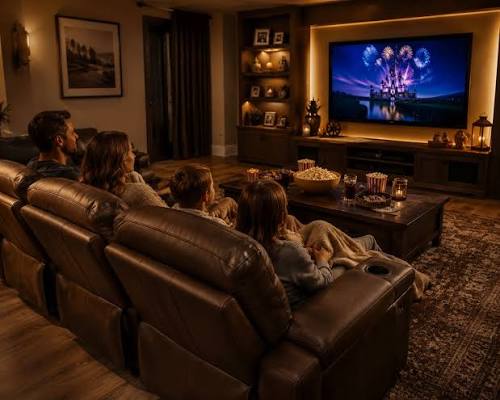
Family movie nights have become harder to plan than they used to be, with streaming platforms burying appropriate options under algorithms built for engagement rather than values. Parents scroll through endless carousels of content that promise wholesome fun but frequently trade on quick jokes, mild innuendo, or violence dressed up as adventure. The result is a kind of decision fatigue that leads many households to settle for whatever appears first, even when it does not match what they want their children to absorb. That gap between intention and outcome shows up in living rooms across the country most weekends.
The problem deepens when children span different ages, since a film that entertains a teenager may bore or unsettle a younger sibling. Grandparents visiting for a holiday often want something that reflects shared faith or heritage, not just generic animation aimed at the widest possible audience. Even well-meaning recommendations from friends can miss the mark once age gaps or personal convictions enter the picture. Meanwhile, school schedules, sports practices, and part-time jobs leave smaller windows for sitting down together, so the stakes of picking the wrong film feel higher than they once did. A single bad choice can turn a rare evening of togetherness into an argument over the remote control. Over time, that friction discourages families from even trying.
The Approach
Rather than treating movie selection as an afterthought, many households have started building a short list of trusted sources ahead of time. This shifts the decision from a nightly scramble into something closer to meal planning, where a rotation of dependable options removes the pressure of last-minute searching. That small shift in preparation often makes the difference between a relaxed evening and a rushed one. Parents who take this approach report fewer arguments and more actual conversation during the film itself, since nobody is anxious about what might appear on screen next.
Building that list usually starts with identifying what values matter most to a given family, whether that centers on faith, historical literacy, or simply stories that reward patience and honesty. Some families keep a running note on their phone; others print a small calendar and slot in a title for each week of the month. The specific method matters less than the habit of deciding in advance, because it removes emotion from the moment when everyone is tired and just wants to relax. A little structure early in the week tends to produce calmer, more enjoyable evenings later on.
It also helps to treat the search itself as a small family project rather than a solitary chore. Older children can suggest titles they have heard about from friends, while younger ones might vote on a shortlist their parents have already reviewed. This turns selection into a shared ritual, one that builds anticipation for the evening instead of resentment about screen time limits. Over several months, families following this pattern often build a small library of favorites they return to season after season, and many eventually discover collections curated specifically for LDS households, including best LDS movies for families, which remove much of the guesswork from finding stories that reflect faith and family life.
What to Look For
When evaluating any new title, it helps to look beyond the surface description and consider pacing, tone, and how conflict gets resolved. A story that handles disagreement through communication and consequence teaches something different than one that resolves everything through spectacle. Trailers can mislead as often as they inform, so a short preview watched together beats guessing from a poster alone. Reading reviews from other parents, checking runtime against bedtime, and previewing the first ten minutes can save a lot of frustration partway through the evening.
Physical well-being matters here too, since long stretches of passive viewing affect sleep and mood, especially for younger children. The CDC health and wellness resources offer guidance on balancing screen time with activity and rest, which pairs naturally with any effort to choose better content. Combining thoughtful selection with reasonable limits on total viewing time gives families more benefit from the hours they do spend watching together, rather than simply replacing one kind of screen exposure with another.
Ultimately, the families that keep movie night alive for years are the ones who treat it as an evolving practice rather than a fixed routine. Tastes change as children grow, and what worked for a six-year-old may need replacing by the time she turns eleven. Staying attentive to those shifts, while keeping a small rotation of trusted sources on hand, keeps the tradition useful instead of stale. The point was never to eliminate screens from family life, only to make sure the time spent in front of one still builds something worth having.
