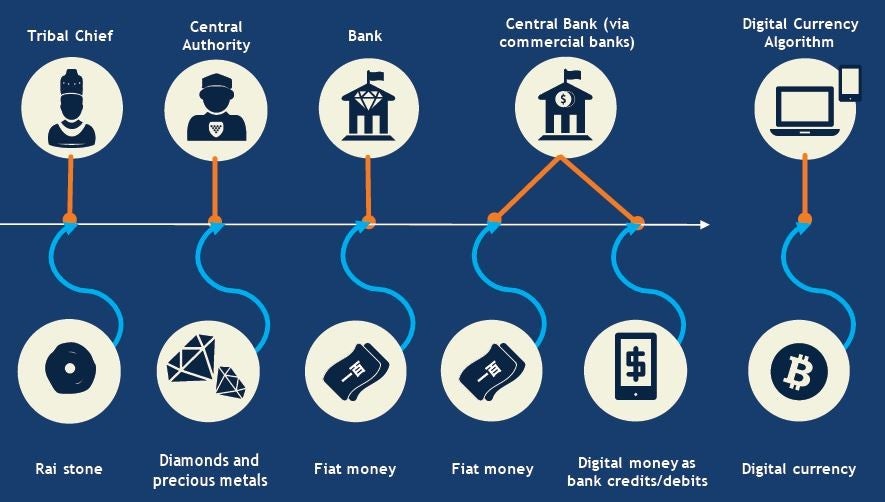
Blockchain technology is one of the most revolutionary innovations of the modern digital era. It provides a decentralized and secure way of recording, storing, and verifying information without the need for a central authority. Initially developed as the underlying technology for cryptocurrencies like Bitcoin, blockchain has now expanded into multiple industries including finance, healthcare, supply chain, cybersecurity, and governance.
The core idea of blockchain is to create a transparent and tamper-proof digital ledger that can be shared across a network of computers. This ensures that once data is recorded, it cannot be easily altered or deleted, making blockchain highly reliable for secure transactions and data integrity.
What is Blockchain Technology?
Blockchain is a distributed digital ledger that records transactions in a series of blocks, which are linked together in chronological order. Each block contains a set of data, a timestamp, and a cryptographic hash of the previous block, creating a continuous and secure chain.
Unlike traditional databases that are controlled by a central authority, blockchain operates in a decentralized manner, meaning that all participants in the network have access to the same information and can verify transactions independently.
How Blockchain Works
Blockchain works through a process that involves transaction verification, block creation, and network consensus. When a transaction is initiated, it is broadcast to a network of computers known as nodes. These nodes validate the transaction using predefined rules and cryptographic algorithms.
Once verified, the transaction is grouped with others into a block. This block is then added to the existing chain of blocks after reaching consensus among the network participants. Once added, the block becomes permanent and cannot be altered without changing all subsequent blocks, which makes the system highly secure and resistant to fraud.
Key Features of Blockchain
One of the most important features of blockchain technology is decentralization, which eliminates the need for a central controlling authority. This increases transparency and reduces the risk of manipulation or corruption.
Another key feature is immutability, meaning that once data is recorded on the blockchain, it cannot be changed or deleted. This ensures data integrity and builds trust among users.
Blockchain also offers transparency, as all participants in the network can view and verify transactions. Additionally, it uses advanced cryptographic security techniques to protect data from unauthorized access.
Types of Blockchain
There are several types of blockchain networks, each designed for different purposes. Public blockchains are open to everyone and allow any user to participate in the network, such as Bitcoin and Ethereum.
Private blockchains are restricted networks controlled by a single organization and are commonly used in businesses for internal data management. Consortium blockchains are semi-decentralized systems where multiple organizations share control, often used in banking and supply chain industries.
Applications of Blockchain
Blockchain technology has a wide range of applications across various industries. In finance, it is used for secure digital payments, cryptocurrency transactions, and fraud prevention. It enables faster and more transparent financial systems without the need for intermediaries.
In supply chain management, blockchain helps track products from production to delivery, ensuring authenticity and reducing fraud. In healthcare, it is used to securely store patient records and improve data sharing between medical institutions.
Blockchain is also used in voting systems to ensure transparent and tamper-proof elections. In the field of digital identity, it provides secure identity verification systems that reduce identity theft and fraud.
Benefits of Blockchain Technology
Blockchain offers several significant benefits, including enhanced security, transparency, and efficiency. Its decentralized nature eliminates single points of failure, making systems more resilient to cyberattacks.
It also reduces the need for intermediaries, which lowers transaction costs and speeds up processes. Additionally, blockchain improves trust between parties who do not know each other, as all transactions are verified by the network.
Challenges of Blockchain
Despite its advantages, blockchain technology faces several challenges. One major issue is scalability, as blockchain networks can become slow and inefficient when handling large volumes of transactions.
Another challenge is high energy consumption, especially in proof-of-work systems used by some https://gavangtv.llc/. Regulatory uncertainty is also a concern, as governments around the world are still developing laws related to blockchain usage.
Future of Blockchain Technology
The future of blockchain is expected to be highly impactful as it continues to evolve and integrate with other advanced technologies such as artificial intelligence, Internet of Things, and cloud gavangtv. This integration will enable more intelligent, secure, and automated systems.
In the coming years, blockchain may become a standard technology for digital identity management, financial systems, healthcare records, and global supply chains. Governments and enterprises are increasingly exploring its potential to improve transparency and reduce fraud.
Conclusion
Blockchain technology is transforming the way trust and data security are handled in the digital world. By providing a decentralized, transparent, and secure system for recording information, it is revolutionizing multiple industries and creating new opportunities for innovation.
Although challenges such as scalability and regulation still exist, continuous development and research are making blockchain more efficient and practical. In the future, blockchain is expected to become a fundamental part of global digital infrastructure.
As technology advances, blockchain will play a key role in building a more secure, transparent, and decentralized digital economy.