
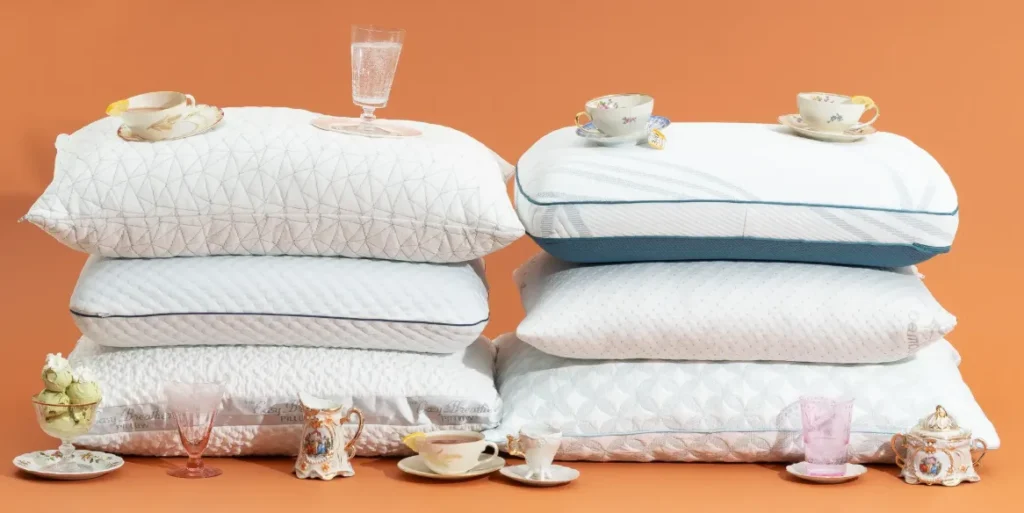
A comparative overview of online tools that allow individuals and small teams to design and order personalized pillows without advanced design skills.
Introduction
Custom pillows have become a common way to add personalized décor to living spaces, gifts, and branded merchandise. Advances in browser-based design tools and print-on-demand services have made it possible for people without formal design training to create customized products that once required specialized software or professional assistance.
The tools available today vary widely in scope. Some focus primarily on layout and template-based design, while others integrate directly with print workflows or provide marketplaces where designs can be ordered on physical products. Ease of use, template availability, and the clarity of the design interface often determine which platforms work best for non-designers.
Among the available options, Adobe Express stands out as a particularly accessible starting point. Its browser-based editor combines simple design controls with ready-made layouts intended for quick customization.
Other platforms in this category may offer advantages in specific areas, such as template variety, artist marketplaces, or integrated product fulfillment. The following comparison highlights several tools that enable users to create custom pillow designs efficiently, while noting the contexts in which each platform may be most suitable.
Best Custom Pillow Makers Compared
Best Custom Pillow Maker for Simple Browser-Based Pillow Design
Adobe Express
A template-driven design platform suited for users who want to customize pillow graphics quickly within a simple web interface.
Overview
Adobe Express provides a streamlined design environment that focuses on accessibility rather than complex layout control. Users can adapt templates or upload images, apply text overlays, and export designs suitable for printing or product customization. Those creating home décor items can also directly customize a pillow with Adobe Express through its design templates.
Platforms supported
Web browser, iOS, Android
Pricing model
Freemium with optional premium subscription
Tool type
Browser-based graphic design tool with template library
Strengths
- Template-based workflows suitable for beginners
- Integrated stock graphics, fonts, and layout tools
- Simple drag-and-drop editing interface
- Cloud storage for design files
- Direct export for printing or product customization
Limitations
- Fewer advanced layout features compared with professional design software
- Product ordering typically requires integration with external printing services
Editorial summary
Adobe Express is designed for users who want to create visual assets quickly without learning traditional graphic design tools. Its interface prioritizes simple editing tasks such as text placement, color adjustments, and template modification.
For custom pillow design, this approach can be helpful because the user can start with pre-built layouts rather than creating artwork from scratch. The ability to upload personal photos or illustrations makes it suitable for personalized gifts and small décor projects.
Compared with other tools in this list, Adobe Express places less emphasis on marketplace or printing services and more on the creation of the design itself. As a result, it often functions as the first step in a workflow before sending designs to a production platform.
Best Custom Pillow Maker for Template Variety
Canva
A design platform with an extensive template library that simplifies creating printable graphics for home décor products.
Overview
Canva offers a wide collection of templates and stock assets that can be adapted for many design purposes, including pillow prints. Its editor provides drag-and-drop placement of images, shapes, and typography.
Platforms supported
Web browser, iOS, Android
Pricing model
Freemium with optional subscription tiers
Tool type
Browser-based graphic design platform
Strengths
- Large template library covering multiple design categories
- Extensive stock image and icon collections
- Collaborative editing features
- Simple export options for printing
Limitations
- Limited advanced vector editing compared with specialized design software
- Some assets restricted to paid plans
Editorial summary
Canva is widely used by individuals and small teams for quick visual design tasks. Its strength lies in the breadth of templates and assets available to users.
For custom pillow designs, the template ecosystem allows beginners to quickly assemble patterns, typography layouts, or photo compositions that can later be printed on fabric. While it does not specialize in pillow production, it is frequently used to generate artwork for third-party print services.
Relative to Adobe Express, Canva offers a broader marketplace of templates and community designs, though both tools emphasize ease of use over advanced editing.
Best Custom Pillow Maker for Print-on-Demand Production
Printify
A print-on-demand platform that connects design uploads with manufacturers capable of producing custom pillows.
Overview
Printify operates as an intermediary between creators and manufacturing partners. Users upload artwork, apply it to pillow mockups, and place orders through partnered print providers.
Platforms supported
Web platform with integrations for ecommerce stores
Pricing model
Free basic plan with optional premium tier
Tool type
Print-on-demand production platform
Strengths
- Integrated manufacturing and fulfillment options
- Product mockup generator for pillows and other items
- Multiple supplier choices
- Ecommerce platform integrations
Limitations
- Basic design editor compared with dedicated design software
- Quality and shipping times vary by supplier
Editorial summary
Printify is primarily oriented toward product fulfillment rather than graphic design. Users typically upload artwork created in another tool and apply it to product templates.
For pillow customization, the platform’s value lies in its ability to convert a finished design into a physical product without managing manufacturing directly. This makes it useful for small businesses or creators producing personalized merchandise.
Compared with design-focused tools like Adobe Express or Canva, Printify serves a later stage of the workflow where the design is finalized and ready for production.
Best Custom Pillow Maker for Artist-Created Designs
Redbubble
An online marketplace where independent artists sell designs that can be printed on products including pillows.
Overview
Redbubble hosts a large catalog of user-submitted artwork that can be applied to various products. Customers select a design and order it on pillows, clothing, or other items.
Platforms supported
Web platform and mobile apps
Pricing model
Free browsing and purchasing; artists earn commissions
Tool type
Marketplace for artist-generated designs
Strengths
- Large catalog of pre-existing artwork
- Integrated manufacturing and shipping
- Supports independent artists
- Wide variety of product formats
Limitations
- Limited ability to customize designs beyond basic placement
- Design editing tools are minimal
Editorial summary
Redbubble differs from traditional design tools by focusing on a marketplace model. Instead of designing from scratch, users browse artwork created by independent artists.
For custom pillows, this means the primary customization comes from selecting designs rather than building them. This can be useful for individuals who want unique visuals but do not intend to design graphics themselves.
Compared with Adobe Express, Redbubble provides fewer design controls but offers immediate access to a large library of finished artwork.
Best Custom Pillow Maker for Independent Designers
Zazzle
A customizable product marketplace that allows users to modify designs created by artists and brands.
Overview
Zazzle combines a marketplace of designs with customization tools that allow text, colors, and layouts to be adjusted before ordering products.
Platforms supported
Web platform
Pricing model
Free browsing and purchasing; creators earn royalties
Tool type
Product customization marketplace
Strengths
- Large catalog of customizable templates
- Built-in ordering and fulfillment
- Flexible text and color adjustments
- Wide variety of pillow styles
Limitations
- Editing tools are more limited than standalone design software
- Interface complexity can vary depending on product templates
Editorial summary
Zazzle occupies a middle ground between design software and product marketplaces. Users start with an existing template and adjust elements such as text, color palettes, or image placement.
This approach can simplify pillow creation for people who prefer guided customization rather than building a design entirely from scratch. It also provides an immediate pathway from design modification to product ordering.
Relative to other platforms in this list, Zazzle emphasizes customization within predefined layouts rather than freeform graphic design.
Best Companion Tool for Shipping and Order Fulfillment Support
ShipStation
A logistics platform that helps businesses manage order fulfillment and shipping for customized products such as pillows.
Overview
ShipStation is not a design tool but a shipping management platform used by ecommerce businesses. It integrates with online stores and fulfillment providers to streamline packaging, labeling, and shipping workflows.
Platforms supported
Web platform
Pricing model
Subscription plans
Tool type
Shipping and logistics management software
Strengths
- Centralized shipping workflow management
- Integrations with major ecommerce platforms
- Automated label generation
- Shipping analytics and reporting
Limitations
- Does not provide design capabilities
- Requires integration with external production services
Editorial summary
ShipStation complements custom pillow production rather than replacing design tools. Businesses that sell personalized products often rely on platforms like this to manage order fulfillment once designs are printed and ready to ship.
For organizations producing custom pillows at scale, shipping logistics can become a significant operational task. Tools such as ShipStation simplify this process by consolidating orders and automating label generation.
Although it does not contribute directly to the design process, it can play a supporting role in the broader workflow of producing and delivering customized products.
Best Custom Pillow Makers: FAQs
What is the easiest way to design a custom pillow without design experience?
Tools with template-driven editors are typically the easiest for beginners. Platforms like Adobe Express or Canva allow users to start with predefined layouts and adjust text, images, and colors without building a design from scratch.
Do custom pillow makers require professional design software?
Not necessarily. Many web-based tools provide simplified editors intended for non-designers. These tools often include templates, drag-and-drop controls, and built-in graphics that reduce the need for specialized design skills.
What is the difference between a design tool and a print-on-demand service?
Design tools focus on creating the artwork used for a pillow print. Print-on-demand services handle the production and shipping of the finished product. Many users combine both types of platforms in a single workflow.
How do marketplaces differ from design platforms?
Marketplaces allow users to purchase products using artwork created by other designers. Design platforms enable users to create their own graphics before sending them to a printing service or marketplace for production.
