
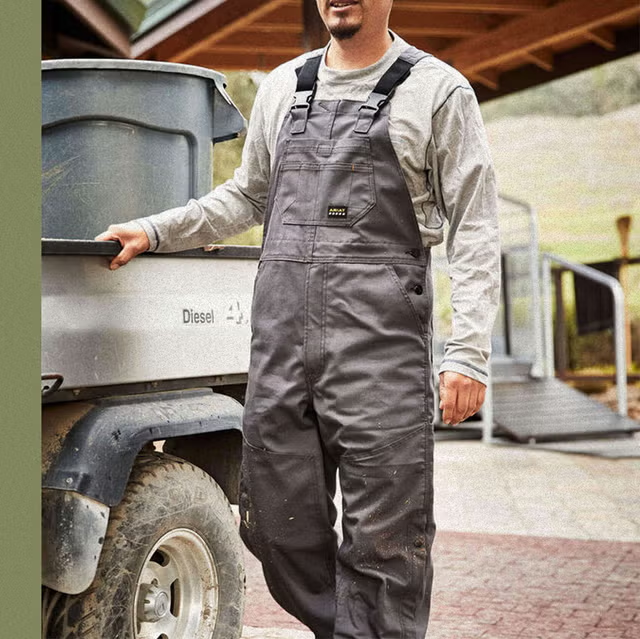
Heavy-duty overalls are a staple in demanding industries where protection, durability, and comfort matter most. From construction sites to mining operations, workers rely on tough workwear to handle harsh environments. But one common question remains: can heavy-duty overalls truly stand up to extreme weather conditions? Whether it’s scorching heat, freezing cold, heavy rain, or strong winds, choosing the right workwear can directly affect safety, performance, and long-term health. Understanding how these garments perform in different climates helps workers and employers make smarter decisions.
This article explores how heavy-duty overalls function in extreme weather and whether they are suitable for year-round use. By looking at fabric technology, insulation, breathability, and design features, we can evaluate their effectiveness in real-world conditions. Drawing insights from reliable workwear standards and practical usage, this guide will help you decide if investing in high-quality overalls is the right move for tough environments.
What Makes Heavy-Duty Overalls Different
Heavy-duty overalls are designed with durability and protection as top priorities. Unlike regular workwear, they are made from reinforced materials such as thick cotton blends, polyester, or specialized fabrics like canvas and ripstop. These materials are chosen for their ability to resist tears, abrasions, and prolonged wear, making them ideal for physically demanding jobs. Many designs also include double-stitched seams and reinforced knees, which add extra strength in high-stress areas.
Another key feature is functionality. Heavy-duty overalls often come with multiple pockets, adjustable straps, and ergonomic designs that support ease of movement. Some versions include water-resistant coatings or flame-retardant properties, depending on the job requirements. These added features make them versatile for different industries, but they also play a role in how well the overalls perform in extreme weather conditions.
Performance in Hot Weather Conditions
Working in high temperatures can be challenging, especially when wearing thick protective clothing. Heavy-duty overalls may seem too warm for hot climates, but modern designs address this issue through breathable fabrics and ventilation features. Materials like cotton blends allow air to circulate, helping to reduce heat buildup. Some overalls also include mesh panels or moisture-wicking technology that keeps sweat away from the skin, improving comfort during long hours in the sun.
However, not all heavy-duty overalls are ideal for extreme heat. Choosing the right fabric weight and design is essential. Lightweight versions with lighter colors can reflect sunlight and reduce heat absorption. Proper fit also matters, as overly tight clothing can trap heat, while well-fitted overalls allow better airflow. When selected carefully, heavy-duty overalls can still be a practical choice for hot weather, especially in environments where protection cannot be compromised.
Effectiveness in Cold and Freezing Temperatures
In cold weather, heavy-duty overalls often perform exceptionally well due to their thick materials and ability to retain heat. Many designs include insulated linings that provide an extra layer of warmth, making them suitable for freezing temperatures. These insulated overalls trap body heat while blocking cold air, helping workers stay comfortable even in harsh winter conditions.
Layering is another advantage when using heavy-duty overalls in cold climates. Workers can wear thermal clothing underneath without restricting movement. Some overalls are also windproof and water-resistant, adding protection against snow and icy winds. This combination of insulation and protection makes them a reliable choice for outdoor work during winter, especially in industries like construction, agriculture, and logistics.
Protection Against Rain and Wet Environments
Rain and moisture can significantly impact comfort and safety on the job. Heavy-duty overalls designed for wet conditions often include water-resistant or waterproof coatings that prevent water from soaking through the fabric. This feature helps keep workers dry, reducing the risk of discomfort and health issues caused by prolonged exposure to moisture.
Sealed seams and durable outer layers further enhance water resistance, making these overalls suitable for rainy environments. However, complete waterproofing can sometimes reduce breathability, so it’s important to find a balance between staying dry and avoiding overheating. High-quality heavy-duty overalls often address this by combining water resistance with breathable materials, ensuring both protection and comfort in wet conditions.
Durability in Wind and Harsh Environments
Strong winds and harsh outdoor conditions require workwear that can withstand constant exposure. Heavy-duty overalls provide a solid barrier against wind, especially when made from tightly woven fabrics. These materials help block cold air and protect the body from sudden temperature drops, which is crucial in open or elevated work areas.
In addition to wind protection, these overalls are built to handle rough environments. Whether it’s debris, sharp surfaces, or heavy machinery, their durability ensures long-lasting performance. This resilience makes them a dependable option for workers who face unpredictable weather and challenging job conditions daily. Proper maintenance, such as regular cleaning and storage, can further extend their lifespan.
Choosing the Right Overalls for Extreme Weather
Selecting the right heavy-duty overalls depends on the specific weather conditions and job requirements. For hot climates, lightweight and breathable options are essential, while insulated and windproof designs are better suited for cold environments. Workers in rainy areas should prioritize water-resistant features, and those exposed to multiple weather conditions may benefit from versatile, all-season overalls.
Quality also plays a major role. Investing in well-made overalls from trusted sources ensures better performance and durability over time. It’s important to consider factors like fabric type, fit, and additional features when making a choice. By matching the overalls to the environment, workers can achieve both safety and comfort, no matter how extreme the conditions become.
Conclusion
Heavy-duty overalls can be suitable for extreme weather conditions, but their effectiveness depends on the design, material, and intended use. In hot weather, breathable and lightweight options help manage heat, while insulated versions provide excellent warmth in cold climates. Water-resistant and windproof features add further protection, making these overalls adaptable to various challenging environments.
Choosing the right pair requires careful consideration of weather conditions and job demands. When selected wisely, heavy-duty overalls offer a reliable balance of protection, durability, and comfort. For workers facing tough environments every day, they remain an essential piece of gear that supports both safety and productivity.
