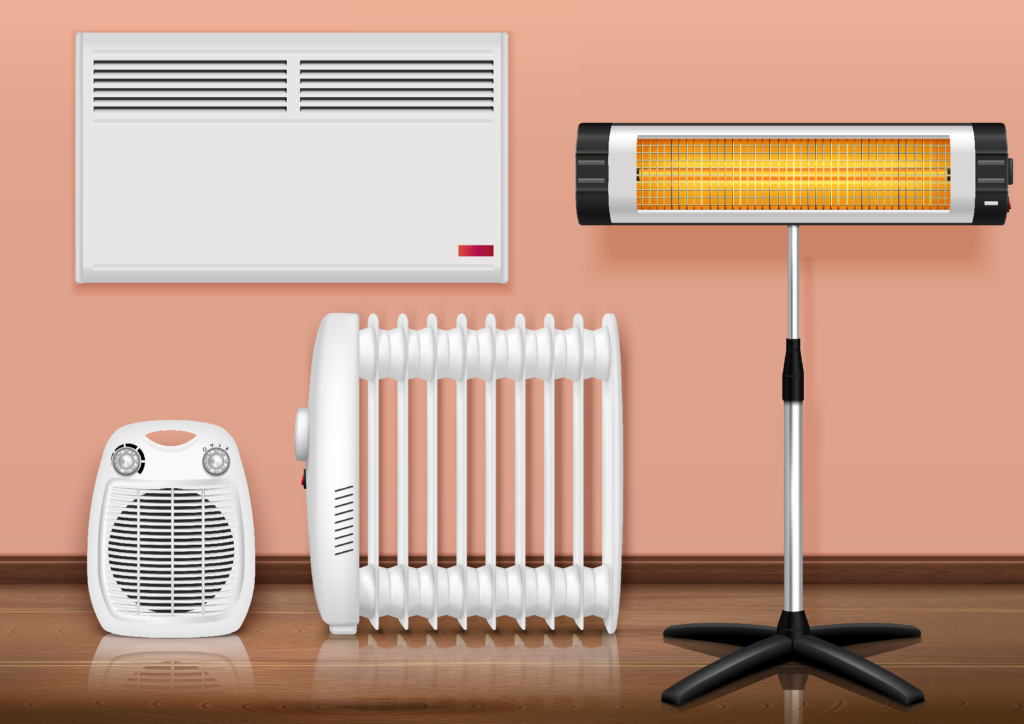
People in Singapore use a macro gas heater to heat water by burning natural gases such as propane or butane.
To install a Macro gas water heater in the home, consider the layout of your home, electrical infrastructure, assessing the natural water pressure, and smart home integration and Wi-Fi management are crucial.
Key Takeaways
- Before installing a macro heater, you need to consider the layout of your home space to optimise its functionality.
- As gas leakage can lead to lethal consequences, ensuring all kinds of safety and security before installing a macro heater is crucial.
- For the installation process, rely on a professional and licensed technician to prevent any unwanted issues in future.
What to Remember Before Installing A Macro Heater?
Before installing a macro gas heater, the following things, such as electrical infrastructure, HDB vs. condominium structural model, ideal installation location, ventilation, smart home integration, and mobile app management, etc. should be kept in mind.
1. Electrical Infrastructure: AC Power vs. Battery Ignition Models
Macro heaters with smart features and traditional features require different types of power supply to function properly.
The Power Requirement For Smart Wi-Fi Models
Modern macro heaters have features, such as high-efficiency energy saving, intelligent temperature control, smart app, and Wi-Fi integration. This smart app and Wi-Fi integration allow you to control and monitor the heater remotely from your smartphone.
They need very minimal electrical infrastructure because the primary heating is done by town gas, the electricity is only required to power the digital display, ignition, and motorise the exhaust fan. To install a smart heater, you need a standard (220-240V / 50Hz) grounded electrical outlet. Since the appliance is usually placed in the kitchen or service yard, the electrical outlet must be safely positioned away from direct water splashes
Traditional Battery-Powered Models
Battery-powered macro heaters utilise D-sized battery ignition systems, which do not need an immediate electrical socket but lack smart controls.
2. HDB vs. Condominium Structural and Model Compatibility
In Singapore, if you want to install a macro heater in an HDB, you are supposed to strictly adhere to the electrical load limits.
Condominium Core Standards
To install a macro heater in a condominium in Singapore, you are supposed to take legal permission from the condominium management body corporation and verify if the condo’s electrical infrastructure can support the load.
3. Determining the Ideal Installation Location & Ventilation Rules
Ventilation and positioning are two important aspects that need to be scrutinised before installing a macro heater. The appliance must be installed in a well-ventilated and open-air area, such as a yard or balcony.
In an HDB flat, macro heaters are to be positioned in a kitchen or service yard. In condominiums, they are supposed to be placed in a place which supports air circulation.
The reason behind such strategic macro heater installation is to prevent the buildup of dangerous carbon monoxide or trapped heat, to ensure the safety of the household.
4. Managing the “Conversion Package” Overhead (Switching from Electric to Gas)
In Singapore, if you are about to switch from an electric to a macro gas heater, certain things, like activation of the city gas supply, repairing the faulty gas pipe, and the total cost of installation, are to be kept in mind.
To activate the city gas line, you need to hire an EMA-licensed gas service worker and a PUB-licensed plumber. Before beginning the process of installation, technicians will inspect your home layout and inform you if anything needs an upgrade.
5. Assessing Household Water Pressure and the Booster Pump Decision
Before the macro heater installation, you need to measure the exact water pressure and flow your home receives. Macro heaters require a minimum flow to function properly. If the natural water flow of your home does not match the requirements of the heater, you might require a booster pump to smooth out the process.
6. Energy Efficiency and Long-term Investment Consideration
Before installing the macro heater, assessing your home’s thermal efficiency by checking insulation, drafts, and window seals is crucial to optimise the efficiency of the macro heater.
Choose a heater that is compatible with the size of your room.
Installing macro heaters is considered a long-term investment because they start to consume less power over time, and unlike fan-based heaters, they accumulate less dust, so they need less maintenance.
Regular servicing and timely Paloma gas heater repair can also improve long-term energy efficiency and extend the lifespan of your heating system.
7. Install Safety Detectors
Macro gas heaters can release toxic fumes and dangerous carbon monoxide. If the venting system is blocked, it is highly recommended to install a carbon monoxide detector to ensure safety.
To avoid gas leakage, installing safety valves by qualified professionals is also important.
During an earthquake, an unprotected macro heater can easily break down, creating a hazardous situation. Secure the heater with a metal strap to ensure safety.
8. Consider Your Usage Points
To prevent the sudden drop in the water pressure, before installing a macro heater, determine how many bathrooms or sinks will draw hot water simultaneously.
9. Mind Pipe Material Compatibility
If your home has copper water pipes, ensure the heater’s connectors are made of brass or copper. Mixing incompatible metals (such as galvanised steel with copper) accelerates corrosion, which will eventually lead to leaks.
10. Smart Home Integration and Mobile App Management
Before installing a smart macro heater, you must confirm your home’s electrical limits and ensure you have a dedicated Wi-Fi network with strong reception. Map out where the heater will go and set up your smart home app to avoid connection issues once the hardware is mounted.
Keeping the above-mentioned points in mind before the installation of a macro heater in your home will definitely elevate your experience.
In addition to installation, homeowners should also choose professionals experienced in Paloma gas heater repair to ensure safe performance and quick troubleshooting whenever maintenance issues arise.
Planning To Install A Macro Heater?
If you are planning to install a macro heater, complete the process with a professional and well-reputed electronic service provider in Singapore.