Dark spots, uneven pigmentation, and sun-related discoloration are common skincare concerns. These changes can develop because of ultraviolet exposure, acne, hormonal fluctuations, and inflammation. Although some pigmentation gradually fades, other discoloration can remain visible for months or longer.
Chemical peels are professional skin resurfacing treatments that may improve certain pigmentation concerns. Understanding how they work, their limitations, and appropriate aftercare can help patients make informed skincare decisions.
What Is Hyperpigmentation?
Hyperpigmentation occurs when areas of skin become darker because of increased melanin production or deposition.
Common types include sun spots, post-inflammatory hyperpigmentation, and melasma.
These conditions have different causes and may respond differently to treatment. An accurate diagnosis is important before selecting a chemical peel or other pigmentation treatment.
How Do Chemical Peels Work?
Chemical peels use carefully selected exfoliating solutions to remove portions of the skin’s outer layers.
Depending on the formulation and treatment depth, peeling may encourage renewal of superficial skin cells and improve the appearance of selected pigmentation irregularities.
Common peeling agents include glycolic acid, salicylic acid, lactic acid, and trichloroacetic acid.
The appropriate solution depends on skin characteristics, treatment goals, and the condition being addressed.
Which Types of Dark Spots Can Chemical Peels Improve?
1. Sun-Related Pigmentation
Repeated ultraviolet exposure can contribute to visible sun spots and uneven skin tone.
Selected superficial chemical peels may help improve some sun-related discoloration, although continued sun protection is essential.
2. Post-Inflammatory Hyperpigmentation
Dark marks can develop after acne, irritation, or skin injuries.
Certain chemical peels may help improve these marks, but aggressive treatment can worsen pigmentation, particularly in darker skin tones.
3. Melasma
Melasma causes irregular patches of pigmentation, commonly affecting the face.
Superficial peels may sometimes complement other treatments, but melasma is prone to recurrence and may worsen with irritation.
Professional assessment is especially important before treating melasma.
What Are the Benefits of Chemical Peels?
When appropriately selected, chemical peels may offer several cosmetic benefits:
- Improvement in certain superficial dark spots.
- A more even-looking complexion.
- Smoother skin texture.
- Reduced appearance of some acne-related marks.
- Improvement in selected signs of sun damage.
Results depend on peel depth, skin type, pigmentation cause, and individual treatment response.
Who Is a Good Candidate for a Chemical Peel?
Adults with certain pigmentation or texture concerns may be candidates for professional chemical peeling.
However, individuals with active skin infections, significant irritation, recent tanning, or certain medical conditions may need to postpone treatment.
Patients with darker skin tones require particularly careful peel selection because of the risk of post-inflammatory pigmentation changes.
Individuals exploring chemical peels in Lexington, KY can discuss personalized skin resurfacing options with Lexington Prime Aesthetics & Wellness.
What Happens During a Chemical Peel?
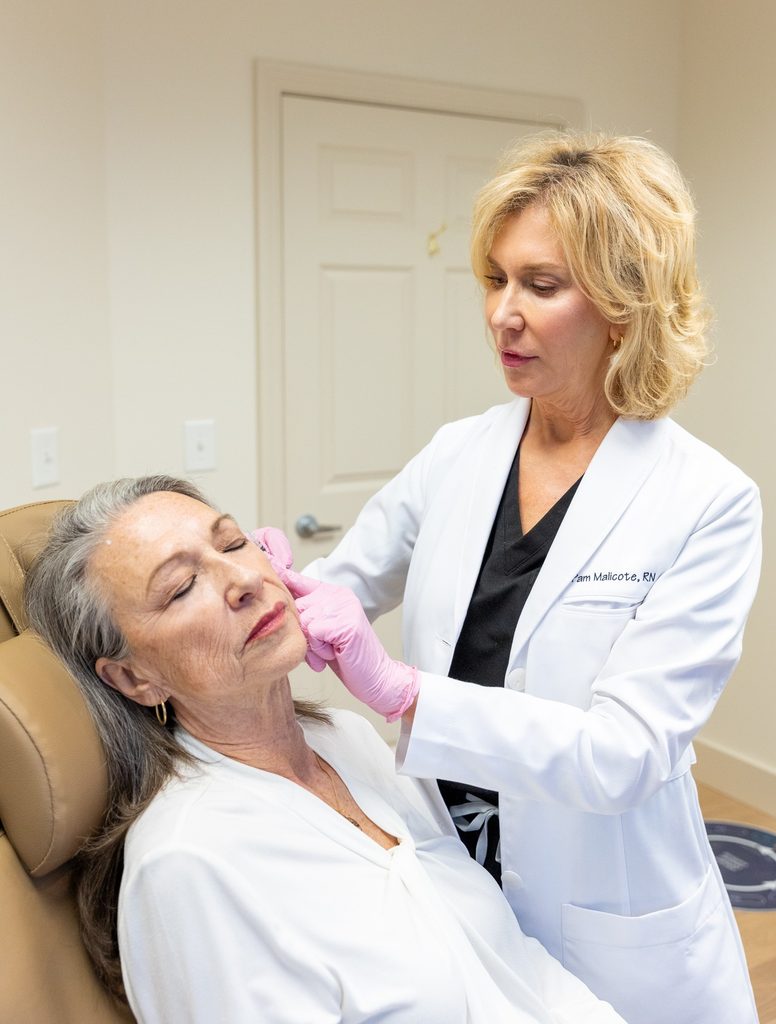
A treatment appointment generally begins with skin evaluation and cleansing.
The provider applies a selected chemical solution for a controlled period, following the specific product protocol.
Patients may experience temporary tingling, warmth, or stinging.
The treatment process and recovery depend on the peeling agent and its depth of action.
How Many Chemical Peel Sessions Are Needed?
Some superficial pigmentation concerns may improve gradually over multiple treatments.
However, there is no universal treatment schedule. The number of sessions depends on the diagnosis, peel strength, skin response, and individual goals.
Patients should avoid repeated aggressive peeling without professional guidance.
What Is Recovery Like After a Chemical Peel?
Superficial peels may cause temporary redness, dryness, and mild flaking.
Medium-depth and deeper peels generally require longer recovery and carry greater risks.
Patients should avoid picking peeling skin, use recommended moisturizers, and follow specific post-treatment instructions.
Can Chemical Peels Make Hyperpigmentation Worse?
Yes. Chemical peels can occasionally trigger post-inflammatory hyperpigmentation, particularly when the skin becomes excessively irritated.
Other possible complications include burns, infection, scarring, and prolonged redness.
Appropriate treatment selection, professional technique, and careful aftercare help reduce preventable complications.
How Can You Maintain Results?
Consistent sun protection is one of the most important steps in managing pigmentation.
Daily broad-spectrum SPF 30 or higher sunscreen, protective clothing, and limiting unnecessary ultraviolet exposure can help prevent additional discoloration.
Depending on the diagnosis, healthcare professionals may recommend topical ingredients such as retinoids, azelaic acid, or other pigmentation-focused treatments.
New or changing pigmented lesions should be medically evaluated rather than treated cosmetically without a diagnosis.
Chemical Peel Treatments in Lexington, Kentucky
Lexington Prime Aesthetics & Wellness offers chemical peels as part of its personalized aesthetic skincare services.
Professional consultations can help patients discuss pigmentation concerns, understand potential treatment benefits, and establish realistic expectations.
Final Thoughts
Chemical peels may improve certain dark spots, uneven pigmentation, and superficial skin texture concerns.
However, treatment effectiveness depends on the underlying cause of discoloration and individual skin characteristics.
Professional assessment, appropriate peel selection, and consistent sun protection are important for pursuing safer, longer-lasting cosmetic improvements.
About Lexington Prime Aesthetics & Wellness
Lexington Prime Aesthetics & Wellness is a medical aesthetics and wellness practice located in Lexington, Kentucky. The practice offers chemical peels, dermaplaning, facials, ZO Skin Health skincare, SkinPen microneedling, radiofrequency microneedling, Alma Harmony IPL treatments, ClearLift laser rejuvenation, and injectable aesthetics. Its approach emphasizes individualized care, patient safety, and natural-looking aesthetic results.
Contact Information
Business Name: Lexington Prime Aesthetics & Wellness
Address: 989 Governors Ln #375, Lexington, KY 40513, USA
Phone: (859) 785-1681
Email: agbailey@lexprimeaesthetics.com
Website: https://lexprimeaesthetics.com/
Business Hours: Monday-Friday, 9:00 AM-5:00 PM
Saturday-Sunday: Closed