
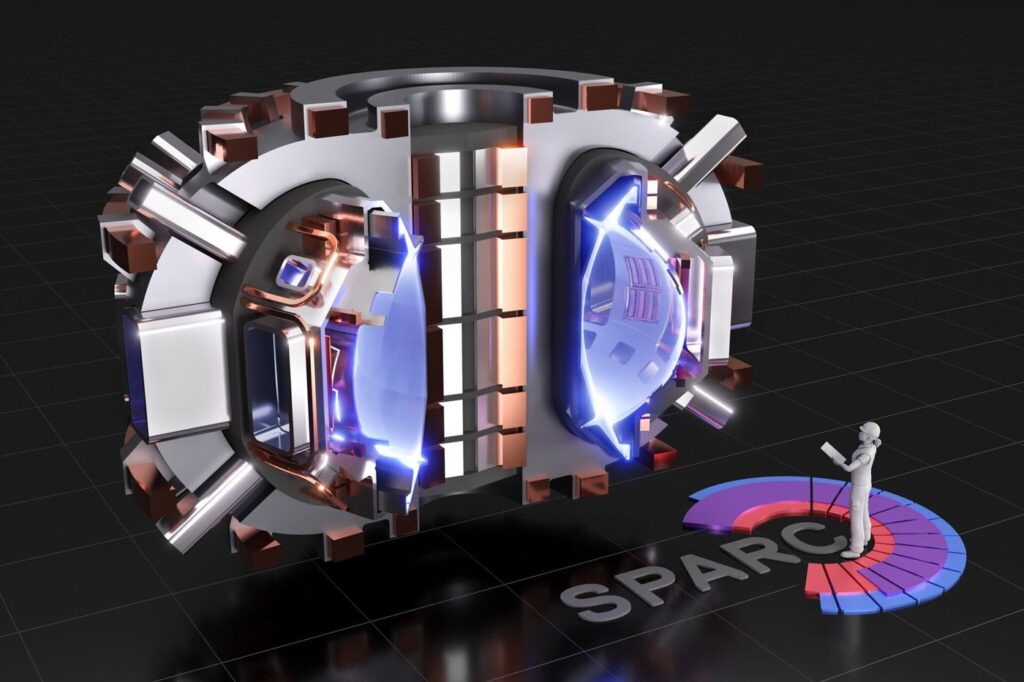
The ITER Council held its 39th meeting on 18 and 19 November 2026 at the organisation’s headquarters in Saint-Paul-lez-Durance, France, and welcomed progress against its 2024 reference schedule. ITER has now reached 212 Level 1 milestones against a target of 202, with six of the nine vacuum vessel modules installed in the tokamak pit and a seventh scheduled for the last week of November. A ceremony marked the completion of manufacturing and delivery of all nine vacuum vessel sectors, the last delivered in October by the European domestic agency, Fusion for Energy. The Council welcomed the progress made by ITER and the domestic agencies, and reaffirmed its support for the project, which is under construction in Saint-Paul-lez-Durance in the Bouches-du-Rhone department of France.
What the Evidence Shows
Together with the superconducting magnets, cryostat components and thermal shields, the delivery brings to a close a procurement programme of nearly twenty years for the main components of the ITER tokamak. The organisation also said the completion this autumn of the repair campaign for key components removes a major risk to continued assembly. ITER is designed to demonstrate the scientific and technological feasibility of fusion energy, aiming to produce 500 megawatts of fusion power from 50 megawatts of input heating power, although it will not convert that heat into electricity. They also cite the first successful pulses of the gyrotrons and the continuing tests of superconducting coils in the magnet cryogenic test facility, while the static magnetic field laboratory has been accredited to the ISO IEC 17025 standard. Reporting and analysis from sources such as Wired track the same developments, and specialists following the ITER tokamak assembly milestones say the direction is now consistent across independent lines of evidence.
The Wider Context
The wider context is an industry learning to ship capability and restraint together. Products built around the ITER tokamak assembly milestones now launch with safety evaluations, usage data and rollback plans as standard, because enterprise buyers and regulators ask for them in the first meeting. Companies that treated those questions as friction are discovering they have become the purchase criteria.
What Happens Next
What happens next for the ITER tokamak assembly milestones depends less on another breakthrough than on the unglamorous work of reliability, pricing and support. The buyers evaluating it now are not enthusiasts; they are operators with budgets and auditors, and their checklists will decide the timeline. On the evidence of the current pilots, the technology has earned the right to be judged by them. You can follow related developments in our coverage of technology.
None of this will be settled by a single announcement, study or product launch. The pattern to watch is accumulation: independent confirmations, honest reporting of failures and steady improvement in the underlying numbers. Readers who follow those signals, rather than the loudest claim of the week, will understand this subject better than most of the commentary surrounding it suggests is possible.
