
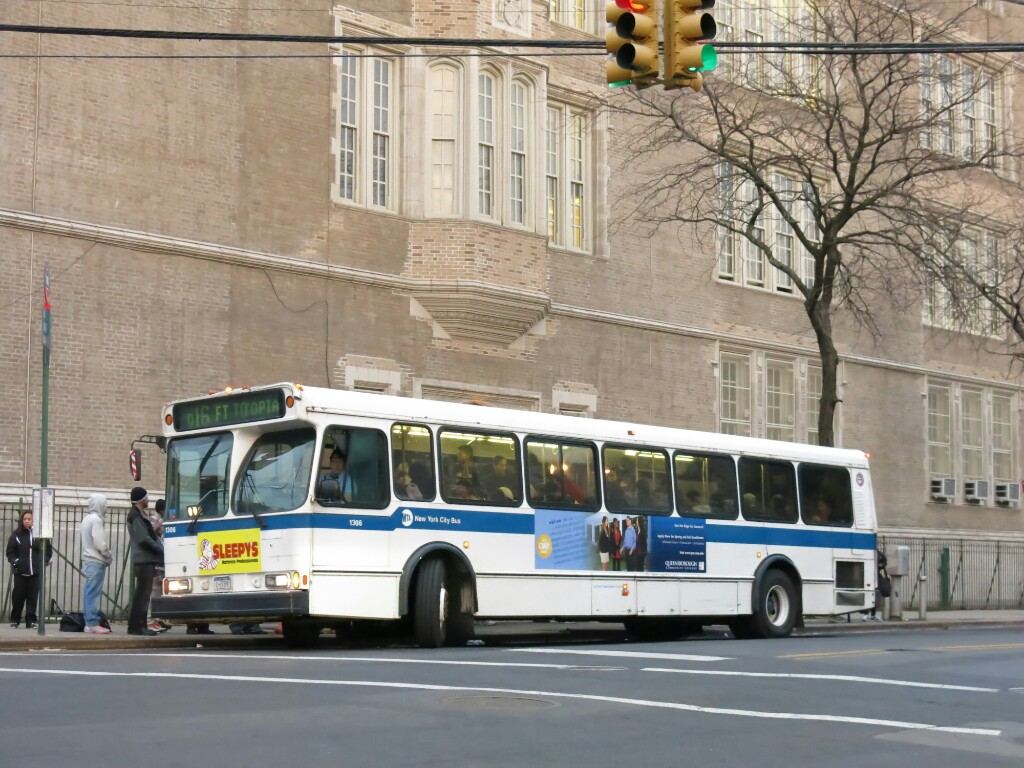
Boarding a city bus is getting quicker on several busy routes, as contactless payment replaces the slower search for exact change at the front of the vehicle. Transport officials say tapping a card or phone shortens the pause at each stop, which helps buses keep to time and reduces the queues that form on crowded pavements. Drivers report smoother departures, while passengers say the change is most welcome in bad weather and during the morning rush. Paper tickets and travel cards remain available, and staff have been riding selected routes to help anyone using the new readers for the first time. The readers accept bank cards, phones and wearable devices, and conductors say passengers who once hesitated at the doors now board with noticeably greater confidence.
What the Evidence Shows
Small savings at individual stops can add up across a long route with dozens of boarding points, especially where several passengers join at once. Operators are watching journey times closely to see where the benefits are greatest and whether timetables should be adjusted to reflect faster boarding. Accessibility campaigners have asked that reader positions, audio confirmations and screen contrast be checked with disabled passengers, so speed does not come at the cost of confidence. Fare capping, which limits what regular travellers pay over a day or week, is also being explained more clearly on board. For many passengers, the ideal bus journey is an uneventful one, and faster, simpler boarding is a practical step towards it. Transport officials expect the clearest results on school and commuter routes with heavy boarding. Reporting and analysis from sources such as Associated Press track the same developments, and specialists following contactless bus boarding say the direction is now consistent across independent lines of evidence.
The Wider Context
Regional and local reporting on contactless bus boarding often tells a different story from national coverage, because the effects land unevenly: one town’s pilot is another’s distant proposal. Analysts who follow the subject full-time read the local data first, arguing that national averages conceal the variation that decides whether a policy or a project deserves to spread.
What Happens Next
The longer story of contactless bus boarding is still being written by the people closest to it, whose experience rarely matches the earliest predictions of either supporters or critics. Reporting will continue to follow the evidence as it accumulates, including where it complicates today’s account. That is the deal serious coverage makes with its readers, and it holds for this subject as for any other. You can follow related developments in our coverage of news.
It is also worth remembering how quickly the picture in this area has changed before. Positions that looked settled a few years ago have been revised as new data arrived, and the same humility is appropriate now. The strongest coverage of this subject, and the most useful advice, tends to come from sources that update their views openly when the facts move, rather than defending an earlier position long after it has stopped fitting the evidence available.
