
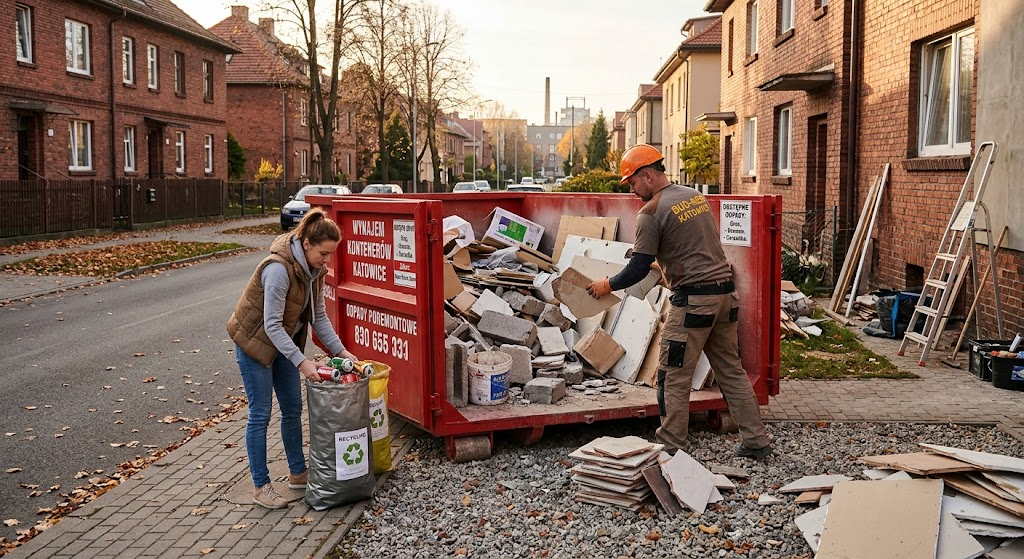
Managing waste is an important part of home renovations, construction projects, commercial improvements, and property cleanups. Whether you are renovating a small apartment, clearing a garden, or organizing a major building project, unwanted materials can accumulate quickly. Without a suitable disposal plan, waste may occupy valuable space, create safety hazards, and delay important work.
One practical solution is renting a suitable waste container. For homeowners, contractors, and businesses in southern Poland, wynajem kontenerów Katowice services offer a convenient way to collect, organize, and transport different types of waste. Choosing the right container can simplify cleanup while supporting more responsible waste management practices.
This guide explains how container rental works, what to consider before booking, and how to make waste removal more efficient and environmentally friendly.
1. Why Container Rental Is a Practical Waste Management Solution
Construction and renovation projects often generate materials that are difficult to handle using ordinary household waste bins. Broken bricks, concrete fragments, old tiles, plasterboard, packaging, and discarded fixtures can quickly exceed the available storage capacity.
A rented container provides a designated place for collecting suitable waste throughout a project. Instead of leaving debris in different areas or arranging repeated trips to disposal facilities, property owners can organize their waste in one location.
This approach offers several practical advantages. It helps keep the worksite organized, reduces unnecessary handling, and makes it easier to coordinate waste collection with other project activities.
Container rental can also be useful for property clearances, office renovations, landscaping work, and large-scale cleaning projects. The appropriate container depends on the type and quantity of materials being removed.
Planning waste collection before work begins allows you to choose a suitable option and avoid many common cleanup problems.
2. Understanding Different Types of Waste Containers
Not every waste container is suitable for every project. Providers may offer different sizes and waste categories depending on their equipment and local disposal arrangements.
Rubble containers are commonly used for mineral construction materials such as bricks, concrete, mortar, and ceramic tiles. Mixed construction waste containers may accommodate a wider range of accepted renovation materials, although specific restrictions can apply.
For garden cleanups, separate arrangements may be available for branches, leaves, grass, and other green waste. Commercial projects may require additional planning when they generate large quantities of packaging or bulky discarded items.
Before arranging wynajem kontenerów Katowice, identify the main materials you intend to remove. This information helps the provider recommend a suitable container and explain which items can be placed inside.
Never assume that all waste types can be mixed together. Certain materials require separate collection or specialist treatment, particularly when they contain hazardous substances.
Selecting the correct container from the beginning helps prevent unnecessary complications and supports more efficient disposal.
3. How to Choose the Right Container Size
Choosing the correct container size is essential for controlling costs and keeping a project organized. A container that is too small may fill up before the work is finished, while an oversized option may create unnecessary expenses.
Start by estimating the amount of waste your project will produce. A small bathroom renovation may generate a relatively limited quantity of tiles and sanitary fixtures, whereas a complete apartment renovation could produce much larger volumes of debris.
Consider the type of material as well. Concrete, bricks, and soil are heavy, so weight restrictions may become important even when the container still has unused space. Lightweight packaging and bulky household items present different capacity challenges.
The available placement area should also influence your decision. A large container may be unsuitable for a narrow driveway, restricted courtyard, or property with limited vehicle access.
If you are unsure which size to choose, describe your project to the rental provider and request a recommendation. An accurate estimate can help reduce the risk of additional collections and improve the overall efficiency of waste removal.
4. The Benefits of Renting a Container for Home Renovations
Home renovations often involve removing old materials before new installations can begin. Flooring, wall tiles, plaster, kitchen units, and bathroom fixtures can create considerable amounts of waste.
A dedicated container helps keep this material under control throughout the renovation. Contractors can place accepted debris in a designated location rather than allowing it to accumulate across rooms, hallways, or outdoor areas.
This arrangement can improve workplace safety by reducing obstructions and making movement around the property easier. It can also help homeowners maintain a cleaner environment while renovation activities are underway.
Another benefit is improved scheduling. When delivery and collection are arranged in advance, waste removal can be coordinated with demolition, installation, and finishing work.
For smaller projects, a single container may be sufficient. Larger renovations might require a different capacity or more than one collection.
By selecting a suitable service and agreeing on clear collection arrangements, property owners can reduce unnecessary interruptions and keep their renovation plans moving forward.
5. Making Waste Removal More Eco-Friendly
Responsible waste disposal is about more than removing unwanted materials from a property. It also involves reducing unnecessary waste, separating recyclable items, and directing materials toward appropriate recovery or treatment facilities.
Construction waste can contain materials with recycling potential. Clean concrete and bricks may be processed into recycled aggregates, while certain metals, wood products, and packaging materials can be recovered through appropriate waste management systems.
Separating these materials before collection can make recycling easier. When recyclable waste is mixed with unsuitable substances, additional sorting may be required, and some recovery options may become more difficult.
Property owners can support better environmental outcomes by asking their provider which materials are accepted and how collected waste is handled.
It is also worth considering whether certain fixtures, furniture, or building materials can be reused before being discarded. Reuse can extend the life of usable products and reduce the quantity of waste generated by a project.
Eco-friendly waste management begins with thoughtful planning and continues through collection, transportation, and appropriate processing.
6. What Affects the Cost of Container Rental in Katowice?
The price of container rental varies according to several factors. These may include container capacity, waste category, rental duration, delivery distance, collection frequency, and applicable disposal or processing charges.
Some providers offer different prices for clean mineral rubble and mixed construction waste. Additional fees may apply when the container exceeds permitted weight limits, contains prohibited materials, or remains on-site longer than agreed.
To compare offers effectively, request a detailed quotation before confirming your booking. Check whether the quoted price includes delivery, collection, waste processing, and the agreed rental period.
You should also ask about weight restrictions and any charges that could arise if the amount of waste exceeds your original estimate.
The cheapest advertised offer is not necessarily the most economical choice. Transparent terms, reliable scheduling, and clear information about accepted materials can help prevent unexpected costs.
Good planning can also improve your budget. Choosing the correct container size, separating waste properly, and coordinating collection with the renovation schedule may reduce unnecessary expenses.
7. Important Rules for Container Placement
Before delivery, decide where the container will be positioned and confirm that the location is suitable for the delivery vehicle.
A private driveway, yard, or designated construction area may provide a convenient solution. However, shared residential spaces, narrow streets, and busy commercial areas can require additional arrangements.
If the container needs to occupy a public road, pavement, or other public space, check the relevant local requirements and obtain any necessary authorization before placing it.
Avoid locations that block entrances, pedestrian routes, emergency access, or neighboring properties. The surface must also be suitable for supporting the container's weight.
For apartment buildings and shared developments, contacting the property manager in advance can help avoid conflicts with residents or other contractors.
It is equally important to ensure that the container can be loaded safely. Do not exceed its permitted capacity, leave materials protruding above its limits, or place restricted items inside without approval.
These precautions help make delivery and collection safer and more predictable.
8. Common Mistakes to Avoid When Renting a Container
Several mistakes can make waste removal more expensive or complicated than necessary.
Choosing the wrong capacity: An undersized container may require extra collections, while an oversized one may be unnecessarily costly.
Mixing incompatible waste: Different materials may require separate containers or different treatment methods. Always check the provider's acceptance rules.
Ignoring weight restrictions: Dense rubble can reach the maximum permitted weight before the container appears full.
Booking too late: Delaying arrangements until demolition begins may limit your choice of delivery dates and container sizes.
Overlooking additional charges: Confirm the rental period, delivery and collection fees, waste categories, and potential weight-related costs.
Failing to plan the placement location: Limited access or missing authorization can delay delivery and disrupt the project schedule.
Avoiding these mistakes helps keep waste management organized and reduces the likelihood of unexpected complications.
9. How to Find a Reliable Container Rental Company
Choosing the right provider is an important part of successful waste management. Begin by checking whether the company serves your location in Katowice and offers a container suitable for your project.
Explain what type of waste you expect to generate, approximately how much material needs to be removed, and when the container will be required. Ask about delivery availability, collection arrangements, and the materials accepted.
A reliable company should provide clear pricing information and explain any relevant restrictions. It should also be able to tell you how collected waste is handled and whether suitable recycling or treatment options are available.
Customer reviews can offer additional insight into communication, punctuality, and the overall quality of service. Comparing several providers may help you identify the best combination of cost, convenience, and reliability.
Before confirming your booking, make sure the agreed terms are clear. Knowing what to expect makes it easier to coordinate the service with contractors and other project participants.
10. Planning Ahead for Efficient Waste Removal
The easiest way to manage waste is to prepare before it begins accumulating. Identify the materials that will be removed, estimate their volume, and choose a suitable collection arrangement.
Create a designated area for the container and make sure the delivery vehicle has sufficient access. Inform contractors about which materials can be placed inside and which must be separated.
For larger projects, coordinate collections with the work schedule so the container does not become an obstacle or remain unnecessarily full for an extended period.
Consider reuse and recycling opportunities before disposing of materials. Keep potentially hazardous waste separate and arrange appropriate handling when required.
For homeowners and businesses looking for wynajem kontenerów Katowice, these simple steps can improve organization, reduce avoidable costs, and support more environmentally responsible waste management.
Conclusion
Efficient waste removal is an essential part of renovation, construction, and property maintenance. Renting a suitable container provides a convenient way to collect debris, maintain a more organized worksite, and coordinate waste transportation with the progress of a project.
By choosing the right capacity, understanding accepted waste categories, checking placement requirements, and comparing transparent quotations, property owners can avoid many common problems.
Eco-friendly practices, including waste separation, material reuse, and responsible recycling, can further improve the process and reduce the environmental impact of renovation activities.
Whether you are clearing a small apartment or managing a substantial construction project, careful planning and a reliable rental provider can make waste disposal easier, safer, and more efficient. A well-organized approach benefits both the project itself and the surrounding community in Katowice.
