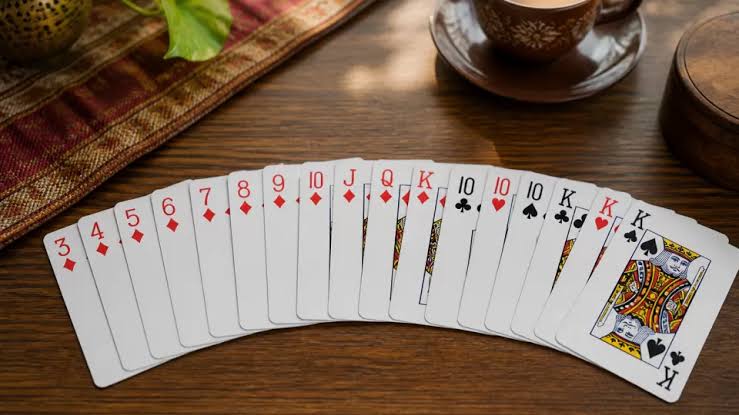
Indian Rummy: Rules, Combinations, and Gameplay
Indian rummy is a widely recognised variation of the traditional rummy card game. Its popular thirteen-card format requires players to organise their hands into valid combinations before declaring. Although the game is easy to describe, understanding the rules is essential to avoid mistakes.
Readers interested in exploring related card-game information can visit All Rummy.
What Makes Indian Rummy Different?
The thirteen-card format gives each player a hand of thirteen cards. Players take turns drawing and discarding cards while trying to arrange their hands into sequences and sets.
The format places particular importance on pure sequences. A player generally needs at least two sequences, including at least one pure sequence, for a valid declaration.
Other versions of rummy may use different hand sizes or different winning conditions. Indian rummy should therefore be understood according to its own rules rather than the rules of another variation.
Rules for Sequences
A sequence consists of three or more consecutive cards of the same suit.
For example, 3, 4, and 5 of diamonds form a sequence. Similarly, 10, Jack, and Queen of spades form another sequence.
A pure sequence contains no joker substitution. An impure sequence includes a joker replacing a missing card, where the format permits that use.
Understanding this distinction is essential because an impure sequence cannot replace the required pure sequence.
Rules for Sets
A set consists of three or four cards of the same rank in different suits.
For example, the 7 of hearts, 7 of diamonds, and 7 of clubs can form a set.
A set should not contain repeated suits where the rules prohibit them. Jokers may be permitted to complete sets, subject to the particular version being played.
Players should ensure that every card belongs to a valid combination before declaring.
How Jokers Work
Jokers can make it easier to complete certain combinations. A wild joker is usually selected for a particular round, and cards of the same rank may also function as wild jokers, depending on the rules.
For instance, a joker may replace a missing card in an impure sequence. It may also help complete a set.
However, players should not assume that jokers can be used in every situation. The pure-sequence requirement remains important in standard Indian rummy.
Understanding the Turn Structure
A round typically begins with a deal, followed by turns in which players draw and discard cards.
Each draw gives a player another option for improving the hand. The discard is equally important because it determines which card is removed from the current arrangement.
The open discard pile provides visible information about cards that have already been discarded. Players can use this information to make more informed decisions, although it does not reveal an opponent’s entire hand.
Card Values and Scoring
In many thirteen-card formats, unmatched number cards contribute their face values, while face cards and Aces commonly count as ten points. Jokers generally count as zero points.
Scoring rules vary by format, including how penalties are calculated and when a round ends. Players should consult the applicable rulebook instead of assuming all versions use the same scoring system.
Tips for Understanding Indian Rummy
Beginners should practise making pure sequences, learn the difference between sets and sequences, and review the hand before declaring.
It is also useful to organise cards by suit and identify combinations that are nearly complete. This makes the hand easier to evaluate during each turn.
Avoid rushing decisions or keeping unnecessary high-value cards for too long. No strategy can guarantee a particular result.
Learn More About Rummy
The All Rummy website provides a relevant destination to include for readers interested in the broader subject of rummy.
Card-game information should remain separate from claims about financial returns. Where digital gaming is involved, check applicable laws and platform terms before participating.
Conclusion
Indian rummy combines clear rules with decisions about card combinations, discards, and declarations. Learning its sequence requirements, set rules, and scoring conventions provides a strong foundation for understanding the game.