Choosing a THC beverage brand requires careful attention to product information, serving strength, ingredient quality and testing practices. Brands can differ in the cannabinoids they use, the formats they sell and the details they share with customers. A product description alone may not provide enough information to assess what is inside the package. Buyers should review the label, check the available laboratory results and understand the precautions associated with THC before making a purchase. Comparing these details makes it easier to distinguish transparent brands from sellers that leave important questions unanswered.
For adults researching a THC beverage brand, the aim should be to find clear, verifiable product information rather than rely on promotional claims. The following points can help you compare hemp-derived THC beverage brands and assess their products more carefully.
Start With the Cannabinoid Information
THC beverage products may contain delta-9 tetrahydrocannabinol, cannabidiol (CBD), or a combination of cannabinoids. Delta-9 THC is intoxicating and can affect coordination, attention, memory and judgement. CBD does not typically produce the same intoxicating high, but its presence does not cancel out THC’s effects. A brand should identify the cannabinoids in its formula and disclose their amounts in a way that customers can understand. If the product page provides only broad descriptions without specific quantities, seek clarification before purchasing.
Check the Amount of THC Per Serving
Serving information is one of the first details to examine when comparing THC drink mixer brands. The stated amount should make clear whether it refers to an individual portion or the entire package. Products with different strengths cannot be compared accurately by looking only at the total cannabinoid content. Read the directions carefully, follow the labelled serving instructions and allow sufficient time for effects to develop before considering any further consumption. Individual responses vary, so a labelled quantity does not guarantee a particular experience.
Look for these details on the product label:
- THC per serving: The quantity of THC in one labelled portion.
- CBD content: The amount of CBD, if the formula includes it.
- Servings per package: The number of portions contained in the box or bottle.
- Directions for use: Instructions covering preparation, serving measurement and precautions.
- Warnings: Information about impairment, interactions, storage and other relevant risks.
A brand that presents these details clearly gives buyers a more useful basis for comparison. Missing or inconsistent figures make it harder to assess the product accurately.
Review the Full Ingredient List
The cannabinoid content is only one part of a beverage enhancer’s composition. Depending on the formulation, a product may contain carrier liquids, flavourings, sweeteners or other ingredients that affect its taste and suitability. People with food allergies or ingredient sensitivities should read the complete label instead of relying on the product name. Descriptions such as natural, plant-based or hemp-derived do not explain every ingredient or establish that a product is safe for every person. A transparent brand should make the ingredient list accessible before checkout.
Look Beyond THC and CBD
Some products emphasise their THC and CBD quantities while giving less attention to other components. Review the complete ingredient statement and any available information about allergens, additives and storage conditions. Check whether the online description agrees with the physical packaging shown on the product page. If a specific ingredient is unclear, ask the manufacturer rather than guessing from its name or intended function. Clear answers are particularly useful when comparing products with different formulations.
Third-Party Testing and Laboratory Reports
Laboratory testing helps buyers assess whether a product’s measured cannabinoid content matches its stated composition. Many brands provide a Certificate of Analysis (COA), which records results for a tested sample. The usefulness of the document depends on its scope, date, sample identification and the tests performed. A report for a different product or an unrelated batch may not establish the composition of the item being purchased. Buyers should therefore check the report itself rather than treating the presence of a laboratory logo as sufficient evidence.
What to Check in a Certificate of Analysis
A useful COA should identify the tested sample and provide readable results for the relevant analyses. Where available, compare the measured THC and CBD levels with the quantities printed on the product label. Check the laboratory’s identity and review the testing panel to see which contaminants were assessed. A cannabinoid potency test does not automatically mean that the product has been screened for every possible contaminant. Third-party testing can support product transparency, but it does not guarantee that consumption is risk-free.
Before relying on a laboratory report, check:
- Product identification: The report should correspond to the product being considered.
- Batch details: Look for a batch or lot number where applicable.
- Cannabinoid results: Compare measured levels with the declared amounts.
- Testing scope: Identify which contaminants or other substances were included.
- Report date: Check when the sample was tested and whether the information is relevant to the current product.
If the report is unavailable, incomplete or difficult to match to the product, contact the brand for clarification. Avoid assuming that a claim such as laboratory tested provides all the information needed for a purchasing decision.
Packaging, Serving Formats and Product Consistency
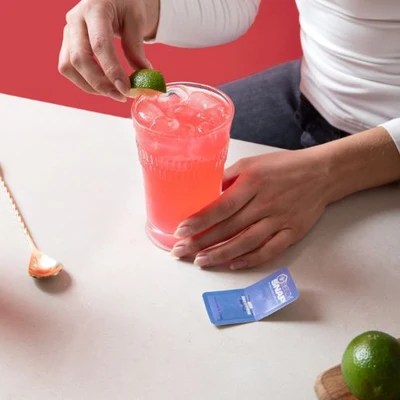
Packaging affects how a product is stored, measured and handled. THC beverage enhancers may come in individual liquid sachets, bottles or other formats, each with different instructions. Single-serve packaging can make the labelled portion easier to identify, while a bottle may require careful measurement. Neither format automatically indicates superior quality, so compare the serving instructions and product information rather than judging by appearance. Packaging should also protect the contents and provide suitable warnings and storage guidance.
Compare Formats Before Choosing a Brand
The right format depends on the product’s design, the clarity of its serving information and the practical requirements stated by the manufacturer. Consider the following points when reviewing different options:
- Single-serve portions: Check whether each portion has a clearly stated THC quantity.
- Bottled liquids: Confirm how a serving should be measured and whether measuring equipment is needed.
- Ready-made beverages: Review the total cannabinoid content in the packaged drink.
- Storage instructions: Follow any guidance about temperature, light exposure and product handling.
- Package integrity: Avoid products with damaged seals, unclear labels or missing instructions.
Consistency also matters across product listings and packaging. The cannabinoid quantities, ingredient information and usage directions should agree wherever they appear. If a brand sells several strengths, each option should be clearly identified so customers do not confuse one formula with another.
How to Compare Hemp-Derived THC Brands
Hemp-derived THC describes the source of the cannabinoid, but the term does not establish that a finished product is non-intoxicating or lawful in every location. Federal and state rules in the United States can differ, and regulations affecting hemp-derived intoxicating products may change. Buyers should check the current rules that apply to their location and confirm that the retailer can legally fulfil the order. A brand’s general statement about legality should not replace checking the relevant requirements. Product composition, labelling and destination-specific restrictions all deserve attention.
When comparing brands, consider more than price or packaging design. Review the quality of the available information and whether the seller explains its products in direct, specific language. A product page should make it possible to identify the formula, serving strength, package size and relevant warnings without searching through unrelated material. If the seller makes health claims or promises a predictable outcome, look for reliable evidence rather than accepting the statement at face value. The ability to verify product details is more useful than an impressive marketing description.
Assess the Retailer’s Product Information
A retailer should provide enough detail for customers to understand the product before paying. For a brand selling a thc additive for drinks USA, review the selected product’s strength, package quantity, ingredients and available test reports. Check the shipping policy, age requirements and any states or locations excluded from delivery. Customer support should also be accessible if you need clarification about an ingredient, laboratory report or order restriction. These details help establish whether the retailer provides the information needed for an informed decision.
Responsible Use Should Be Part of the Brand’s Guidance
A responsible THC beverage brand should explain that its products can cause intoxication and impairment. It should not suggest that mixing THC with a drink removes the risks associated with consuming it. Effects can vary according to the dose, individual sensitivity, other substances and the way the product is consumed. Consumers should follow the label, avoid combining THC with alcohol or other intoxicating substances, and keep products securely stored away from children and pets. Anyone who is unsure about possible interactions or personal risks should consult a qualified healthcare professional.
Clear precautions should be easy to find rather than hidden behind promotional language. Look for warnings against driving or operating machinery after consuming THC, along with advice to follow serving directions and keep products away from minors. Brands should avoid implying that CBD prevents THC-related impairment. They should also avoid unsupported claims about treating medical conditions or delivering guaranteed effects. Responsible communication gives consumers a more realistic understanding of the product they are considering.
Taking a Closer Look at Beezy Snaps
Beezy Snaps offers liquid THC and CBD beverage boosters in snap-style portions. Its listed product options include a formula containing 4 mg THC and 4 mg full-spectrum CBD per snap, as well as an option containing 8 mg THC and 8 mg full-spectrum CBD per snap. Buyers should verify the selected product’s current label, package quantity, directions and available laboratory reports before ordering. Reviewing the information for the exact product matters because serving strength and package details can differ between listings. The brand’s website provides a starting point for examining these details.
You can review the available products and their stated specifications on the Beezy Snaps website. Check the delivery restrictions that apply to your location before placing an order, and read all product warnings carefully. If you need clarification about the ingredients, laboratory reports or purchasing requirements, you can contact Beezy Snaps directly. This allows you to seek specific information instead of making assumptions based on general product descriptions.
Conclusion
A THC beverage brand should provide clear cannabinoid quantities, complete ingredient information, relevant laboratory reports and practical usage guidance. Comparing these details helps buyers evaluate products on evidence rather than packaging or promotional claims. It is also necessary to check local laws, shipping eligibility and the precautions associated with THC before making a purchase. Choose products only when the available information is clear enough to support an informed decision.
Frequently Asked Questions
1. What makes a THC beverage brand worth considering?
Look for clear cannabinoid quantities, a complete ingredient list, accessible laboratory reports and understandable serving instructions. Review packaging details, safety warnings and the retailer’s shipping policy. Avoid relying on promotional claims that cannot be supported by product information.
2. How can I check whether a THC beverage has been tested?
Look for a Certificate of Analysis from a third-party laboratory. Check the product or batch identification, cannabinoid results, testing scope and report date. Confirm that the document relates to the product you intend to purchase.
3. Are hemp-derived THC beverages non-intoxicating?
No. Hemp-derived THC can cause intoxication and impair coordination, attention and judgement. The source of the THC does not remove its psychoactive effects, and CBD content does not guarantee protection against impairment.
4. What should I compare between THC drink mixer brands?
Compare THC and CBD amounts per serving, ingredients, package size, serving instructions and available laboratory reports. Also check the total price, shipping restrictions and customer support information. Clear, consistent product details are more useful than packaging claims alone.
5. Can I order THC beverages anywhere in the United States?
No. State laws and retailer policies may restrict the sale or delivery of hemp-derived THC products. Check current rules for your location and confirm shipping eligibility with the seller before placing an order.