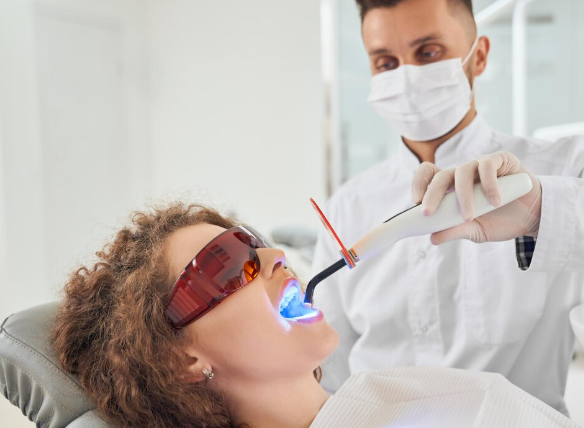
Dental technology has expanded the options available for treating teeth and gums. Dental laser treatment uses concentrated light energy to interact with dental tissues during selected procedures. Depending on the type of laser and treatment being performed, it may be used on hard tissue, soft tissue, or both.
Laser dentistry can be considered for several procedures, including certain cavity treatments, gum procedures, tissue reshaping, and periodontal care. The technology does not replace every conventional dental technique, and its suitability depends on the condition being treated. A dental examination is necessary to determine whether laser treatment is appropriate for a particular procedure.
Understanding how dental lasers work can help patients make informed decisions about their treatment. It also provides useful context for understanding where laser dentistry may fit within preventive, restorative, cosmetic, and periodontal care.
What Is Dental Laser Treatment?
Dental laser treatment uses a focused beam of light energy to interact with specific dental tissues. Different lasers are designed for different applications, and the settings can be adjusted according to the tissue and procedure being performed.
Some dental lasers are used primarily for soft tissues such as the gums, while others can be used for selected hard tissue procedures involving teeth. The dentist controls the wavelength, energy level, and duration of the laser according to the treatment requirements.
For patients researching dental laser treatment, the main consideration is not simply whether a laser is available. The important question is whether the technology is suitable for the specific dental condition being treated.
Laser treatment may be considered for:
- Certain cavity treatments
- Gum disease procedures
- Soft tissue reshaping
- Treatment of some oral lesions
- Selected periodontal procedures
- Certain procedures involving tissue around dental implants
The treatment approach depends on the diagnosis, tissue condition, and type of laser available at the dental practice.
How Do Dental Lasers Work?
A dental laser produces concentrated light energy that can interact with targeted tissue. Depending on the wavelength and settings, the laser may remove, reshape, or treat specific areas without affecting surrounding tissue to the same extent.
For hard tissue applications, the laser can be used for selected procedures involving the tooth structure. For soft tissue applications, the energy can interact with gum tissue and may help remove or reshape targeted areas.
The dentist first identifies the area requiring treatment and selects the appropriate laser settings. The procedure is then performed with controlled movements so the treatment is limited to the intended area.
Laser dentistry does not mean that every procedure can be performed without traditional instruments. In some cases, a laser may be used alongside conventional dental techniques to achieve the desired treatment outcome.
Laser Treatment for Cavities
Certain dental lasers can be used in selected cavity procedures involving tooth structure. Depending on the location and extent of decay, laser technology may help remove affected tissue before the tooth is restored.
A dentist must first assess the cavity and determine whether laser treatment is suitable. The size and depth of the decay, location of the tooth, restoration required, and surrounding tooth structure can all influence the treatment approach.
Laser cavity treatment should not be viewed as a universal replacement for conventional cavity treatment. Traditional dental instruments remain appropriate for many situations, while laser technology may be useful for selected cases.
The primary goal remains the same: remove diseased tooth structure while preserving as much healthy tooth structure as clinically appropriate and restoring the tooth’s function.
Dental Laser Therapy for Gum Problems
Gum tissue is one of the areas where dental lasers may have useful applications. Laser therapy can be incorporated into periodontal treatment to target diseased or inflamed tissue and reduce bacterial contamination in selected situations.
Periodontal treatment typically involves more than one technique. Professional cleaning, removal of plaque and calculus, improved oral hygiene, monitoring, and other periodontal procedures may all be part of care depending on the severity of gum disease.
Laser treatment may be considered as part of a broader periodontal treatment plan rather than as an isolated procedure. The dentist evaluates the gums and supporting tissues before deciding which treatment method is appropriate.
Signs that may require a dental evaluation include:
- Persistent gum bleeding
- Swollen or tender gums
- Gum recession
- Persistent bad breath
- Changes in the way teeth fit together
- Loose or shifting teeth
- Increased sensitivity around the gumline
Early assessment can help identify gum problems before they become more difficult to manage.
Laser Surgery for Gum Disease
More advanced gum disease may require periodontal procedures that address infection and inflammation around the teeth. In selected cases, laser technology can be incorporated into periodontal treatment.
Patients researching laser surgery for gum disease should understand that the term can describe different approaches depending on the dental practice, laser system, and periodontal condition.
The dentist may use laser energy to target affected tissue or bacteria during periodontal treatment. The exact procedure depends on the condition of the gums and supporting structures.
Laser treatment does not eliminate the need for diagnosis, professional periodontal care, or ongoing oral hygiene. Maintaining healthy gums requires consistent home care and professional monitoring after treatment.
Laser Dentistry for Soft Tissue Procedures
Dental lasers can also be used for selected soft tissue procedures. The ability to precisely target soft tissue makes laser technology useful for certain procedures involving the gums and other areas of the mouth.
Soft tissue applications can include reshaping gum tissue or treating certain oral lesions. The specific procedure depends on the location, size, appearance, and underlying cause of the tissue problem.
In some cases, laser treatment may allow the dentist to work on a focused area while minimizing disruption to surrounding tissue. However, not every soft tissue concern is appropriate for laser treatment.
A proper examination is important because an oral lesion, gum growth, or unusual tissue change may require additional evaluation before treatment is selected.
Dental Laser Treatment and Gum Reshaping
Gum reshaping is another area where dental lasers may be considered. Excess gum tissue can sometimes affect the appearance of the smile or interfere with the shape of the visible teeth.
During a gum reshaping procedure, the dentist carefully removes or reshapes selected gum tissue. The goal is to create an appropriate gum contour while maintaining healthy tissue.
Laser technology may be used in selected cases because it allows controlled interaction with soft tissue. The dentist must still evaluate gum health, tooth proportions, periodontal conditions, and the patient’s treatment goals before recommending reshaping.
The procedure is generally planned according to the individual’s anatomy rather than using a standard amount of tissue removal.
How Laser Dentistry May Fit Into Preventive Care
Laser treatment is generally associated with procedures rather than routine preventive care. However, maintaining healthy teeth and gums remains essential regardless of whether laser technology is used.
Preventive treatment can include professional cleanings, examinations, fluoride applications, oral hygiene instruction, and monitoring for early signs of decay or gum disease.
For patients considering dental fluoride treatment for adults, fluoride therapy serves a different purpose from dental laser treatment. Fluoride helps strengthen tooth enamel and can support cavity prevention, while laser treatment is used for selected dental procedures.
Understanding the difference between preventive treatments and procedural technologies helps patients choose care based on their actual oral health needs.
Potential Benefits of Dental Laser Treatment
The potential advantages of dental laser treatment depend on the procedure being performed and the type of laser used. Some patients may appreciate the targeted nature of laser treatment, particularly for certain soft tissue procedures.
Laser procedures can sometimes reduce the amount of mechanical instrumentation required. In selected cases, patients may experience less bleeding or tissue disruption because the laser can interact with targeted soft tissue while also helping control the treatment area.
Potential benefits may include:
- Precise targeting of selected tissues
- Reduced mechanical instrumentation for some procedures
- Potentially less bleeding during certain soft tissue treatments
- Treatment of selected areas with controlled energy
- Use in both hard and soft tissue procedures, depending on the laser
- Potentially comfortable treatment for selected patients
These benefits should be evaluated in relation to the specific procedure rather than assumed to apply to every laser treatment.
Is Dental Laser Treatment Suitable for Everyone?
Laser dentistry is not automatically appropriate for every patient or every dental problem. The type, location, severity, and underlying cause of the condition all influence treatment decisions.
For example, a cavity that extends deeply into a tooth may require a conventional restorative approach, while a soft tissue procedure may be suitable for laser treatment. Similarly, gum disease treatment may require professional periodontal cleaning, medication, surgery, laser therapy, or a combination of approaches depending on the patient’s condition.
A dentist can determine whether laser technology offers a useful role after examining the affected area. Diagnostic imaging may also be required for certain dental problems.
Patients should ask about:
- The exact condition being treated
- Why laser treatment is being recommended
- Whether conventional treatment is an alternative
- What the procedure involves
- Expected healing and aftercare
- Whether additional appointments will be required
This discussion helps ensure that treatment decisions are based on the patient’s dental needs rather than the technology alone.
What to Expect During and After Laser Treatment
The experience varies according to the procedure. Before treatment begins, the dentist examines the area and explains the recommended approach. Anesthesia may or may not be required depending on the treatment and the patient’s sensitivity.
During the procedure, the dentist directs the laser toward the targeted area using controlled movements. Protective measures are used as appropriate for the laser system and treatment environment.
After treatment, patients receive instructions based on the procedure performed. Soft tissue procedures and periodontal treatments may require specific cleaning or dietary recommendations during the healing period.
Post-treatment care may include:
- Following the dentist’s cleaning instructions
- Avoiding irritation of the treated area
- Taking prescribed or recommended medication as directed
- Attending follow-up appointments
- Maintaining appropriate oral hygiene
- Reporting unusual or persistent symptoms
Following the recommended aftercare can support proper healing and help the dental team monitor the treatment area.
Dental Laser Treatment and Long-Term Oral Health
Laser dentistry is one component of modern dental care, but it does not replace everyday oral hygiene. Brushing, cleaning between teeth, limiting frequent exposure to sugary foods and drinks, and attending dental examinations remain important.
Patients who receive laser treatment for gum problems also need to manage the factors that contribute to gum disease. Plaque accumulation can continue after treatment if oral hygiene is not maintained.
Likewise, laser treatment for a cavity does not eliminate the need for preventive care. Regular examinations can help identify new areas of decay, enamel concerns, gum inflammation, and other conditions that may require attention.
Long-term oral health depends on the combination of appropriate professional treatment and consistent daily care.
When Should You Ask About Laser Dentistry?
Laser dentistry may be worth discussing when you are being evaluated for a condition that can be treated using laser technology. This can include selected gum problems, certain cavity procedures, soft tissue concerns, and some periodontal treatments.
A consultation is especially useful if you have been advised that a dental procedure is necessary and want to understand the available treatment approaches. The dentist can explain whether a laser is appropriate and how it compares with conventional methods for your particular condition.
The goal should be appropriate treatment, not simply choosing the newest technology. A dental professional can help determine which approach provides the right balance of effectiveness, safety, comfort, and long-term oral health.
For questions about available treatments or to schedule an evaluation, you can contact Implant Oral Surgery & Aesthetics.
Conclusion
Dental laser treatment provides another option for managing selected dental and periodontal conditions. Depending on the type of laser and procedure, it may be used for certain cavities, gum treatments, soft tissue procedures, tissue reshaping, and other dental applications.
The technology should be selected based on the patient’s diagnosis rather than used as a universal replacement for conventional dentistry. A dental evaluation can determine whether laser treatment is appropriate and explain the available alternatives.
If you are considering laser dentistry, discussing the specific procedure, expected benefits, limitations, healing process, and maintenance requirements with your dentist can help you make an informed treatment decision.
Frequently Asked Questions
1. What is dental laser treatment?
Dental laser treatment uses concentrated light energy to treat selected dental tissues. Depending on the laser and procedure, it can be used for certain cavity, gum, soft tissue, and periodontal treatments.
2. Can lasers be used to treat cavities?
Certain dental lasers can be used for selected cavity procedures involving tooth structure. The dentist must assess the cavity’s location and severity to determine whether laser treatment is appropriate.
3. Can dental lasers treat gum disease?
Laser technology can be incorporated into treatment for certain gum and periodontal conditions. However, periodontal care may also involve professional cleaning, improved oral hygiene, monitoring, and other treatments depending on the severity of the disease.
4. Is laser dentistry better than conventional dental treatment?
Laser dentistry is not universally better than conventional treatment. It can offer useful advantages for selected procedures, but the appropriate method depends on the dental condition, treatment goals, available technology, and clinical assessment.
5. Does laser dental treatment replace regular dental care?
No. Laser treatment is a procedure used for specific dental conditions. Regular brushing, cleaning between teeth, professional examinations, preventive care, and appropriate maintenance remain important for long-term oral health.