
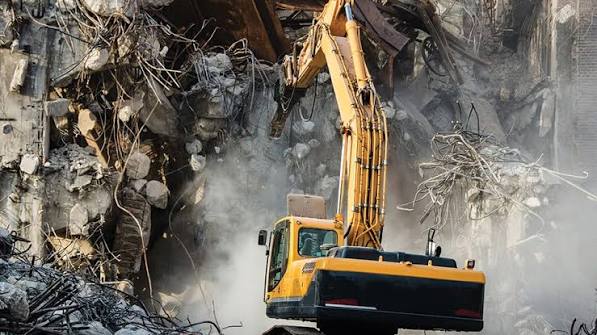
Demolition may look straightforward from the outside, but successful removal work involves many decisions before machinery ever touches a structure. A demolition contractor coordinates the practical details that turn a complex site into an organized work area. From reviewing structural conditions to managing debris, each stage affects safety, efficiency, and the condition of the property after demolition is complete.
The Role Begins With Investigation
The first responsibility of a demolition contractor is understanding the site. Buildings can hide complications behind walls, below floors, and beneath the ground. Old foundations, utility connections, reinforced concrete, attached structures, and restricted access can all influence the plan.
A site review helps establish what can be removed, what needs protection, and which areas require extra care. This early investigation also helps determine the equipment and sequence most appropriate for the project.
Creating a Demolition Sequence
Demolition should happen in a deliberate order. A demolition contractor considers stability, access, material movement, and nearby structures when deciding where work should begin.
Selective Removal
Not every project requires complete teardown. Renovations often involve removing only certain walls, slabs, ceilings, or structural components. In these cases, the demolition contractor must separate the removal area from the parts of the property that will remain.
Precision becomes especially important around shared walls, finished spaces, mechanical systems, and structural supports.
Full Structural Removal
A full teardown requires a broader plan. The demolition contractor must establish equipment positions, safe zones, debris handling areas, and a logical order for bringing the structure down. Controlled sequencing reduces unnecessary movement and helps prevent unstable sections from developing unexpectedly.
Managing Utilities and Hidden Hazards
Utilities can create serious risks if they are not identified before work starts. Electrical connections, gas lines, water pipes, drainage systems, and communication lines may pass through or near demolition areas.
A careful demolition contractor makes utility awareness part of pre-work preparation. Older properties may also contain materials that require special assessment or handling before ordinary demolition proceeds.
Keeping the Work Area Controlled
A demolition site changes constantly. Walls disappear, debris accumulates, equipment moves, and access routes shift. The demolition contractor must maintain control as these conditions evolve.
Clear exclusion zones, organized equipment movement, dust-control measures, and routine debris removal can make the site more manageable. Good housekeeping is not cosmetic. It improves visibility and reduces hazards caused by loose or scattered material.
Protecting What Stays
Partial demolition often requires more precision than complete removal. A demolition contractor may need to work beside occupied areas, neighboring buildings, landscaping, pavement, or structural elements that remain part of the final property.
Debris Handling Is Part of the Plan
Once material is removed, it needs somewhere to go. An organized demolition contractor plans loading areas and removal routes so debris does not block active work zones.
Concrete, metal, wood, masonry, and other materials may be separated when practical. Efficient sorting and cleanup can reduce clutter and make final site preparation easier.
When discussing a project with a demolition contractor, it is useful to define how thoroughly debris should be cleared and what condition the site should be in once the work is finished.
Preparing the Property for What Comes Next
A thoughtful demolition contractor considers that next phase. Clean removal boundaries, accessible work areas, and a well-cleared site can make subsequent work more efficient. This forward-looking approach also helps reduce unnecessary rework when builders, landscapers, or other trades enter the property afterward.
Conclusion
A demolition contractor does far more than operate demolition equipment. The role includes evaluating conditions, planning removal sequences, managing utilities and hazards, protecting surrounding areas, organizing debris, and leaving the property ready for its next purpose.
When these responsibilities are handled carefully, demolition becomes a controlled process instead of a disruptive one. Choosing a demolition contractor with a structured approach can help property owners move from removal to reconstruction with fewer avoidable complications.
