
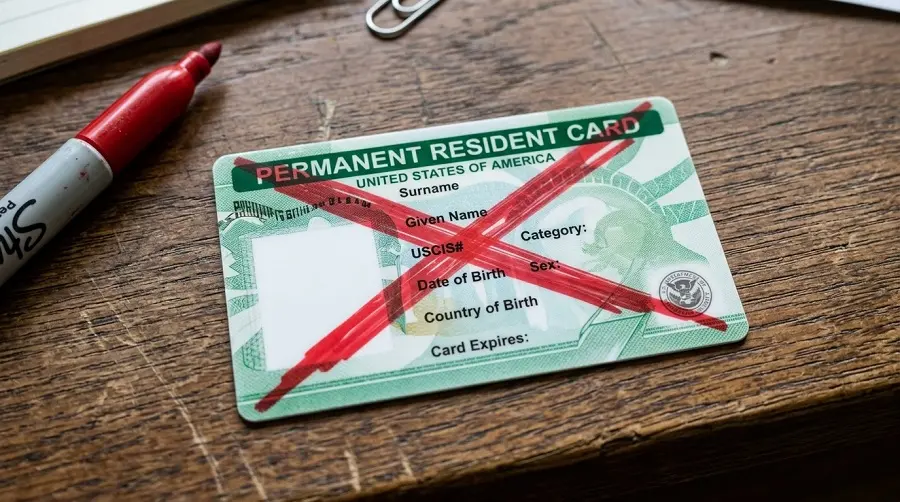
What a Green Card Denial Means
A green card application denial does not end your options for immigration to the U.S. There are multiple legal, procedural and eligibility-related reasons for a U.S. green card application denial. However, depending on the reason, the applicant can take the appropriate steps and explore the available further immigration options. A green card lawyer Houston can evaluate your application against the reason for denial and help you navigate the potential corrective measures.
Common Reasons a Green Card Application May Be Denied
- Eligibility:
A Green Card Application must meet the eligibility criteria under the applied category, such as employment- based or family-based, to avoid denial.
- Inaccurate or incomplete application:
An application with incorrect, inconsistent, or missing information is likely to be denied.
- Lack of proper supporting documents/evidence:
Proper evidence / supporting documents are critical for the authenticity of a green card application. Missing or improper evidence is a common reason for denial by USCIS.
- Not attending the interview or providing biometrics:
The application may be denied if the applicant fails to attend the USCIS interview or biometric appointment and doesn’t even address the missed appointment.
- Criminal background:
An applicant with certain convictions, fraud, or misinterpretation of previous immigration-related violations might become inadmissible.
- Health-related:
Inability to prove vaccination requirements or certain medical conditions make an applicant inadmissible to the U.S.
- Financial:
For certain immigration categories, financial circumstances may also become a ground for application denial.
- Family / Employment petition shortcomings
Specific green card applications are subject to an underlying petition or qualifying relationship. Any change in the status of the petition (denied, revoked, withdrawn or failing to establish eligibility) affects the green card application status.
What Happens After a Green Card Denial?
Every green card denial has a different effect on the application.
- A written denial notice from USCIS:
This notice contains all and any factual or legal reasons for denial of the application in writing. It is an important document as it contains all the information about the reason for denial by USCIS and the next steps of the procedure.
This very document also outlines whether an applicant failed to establish eligibility, did not provide sufficient evidence or is inadmissible under any specific provision of immigration law.
- Effect on immigration status
It is critical to note that a pending adjustment-of-status application does not provide lawful immigration status. For applicants who relied on the application in process while having an expired lawful status, the denial can bring serious consequences. Here, an individual’s underlying status and circumstances are the key assessors for the effects that a denial would bring.
- Adjustment of status vs. consular processing:
Green card application through a U.S. consulate abroad and adjustment of status application from within the United States are two different procedures, and individuals face different circumstances. In the former, the immigrant gets the decision regarding approval of permanent residence before entering the U.S., whereas in the latter case, the application affects the status of the individual in the U.S.
- Careful and prompt review of the notice
A careful review of the notice provides insight into the reason for denial or states information related to motions and appeals. Prompt action is recommended, as the majority of the notices have deadlines involved. Seeking guidance from an immigration attorney Houston may help you meet the requirements of the notice within deadline.
Can You Appeal a Green Card Denial?
You cannot reappeal all green card denials. There is a major difference between an appeal and a motion. There are three different courses of action:
- Motion to Reopen: a request to reopen your application based on new facts supported by evidence.
- Motion to Reconsider: challenging the decision for reconsideration based on the existing documents or the law.
- Appeal: This option is available for certain USCIS decisions for a specific application or petition.
Can You Reapply for a Green Card After a Denial?
In a few cases, an individual can file a fresh application; however, this does not immunise the application from getting denied again. Addressing issues such as missing evidence, addressing an eligibility problem in the denial notice, or an underlying petition issue are the two options available. Whether or not an individual can proceed with a reapplication depends on the immigration category and circumstances.
A Green Card Denial Does Not Always End the Immigration Process
The reason and circumstances of denial must be considered while deciding a response to a U.S. green card application denial. Applicants must understand the options available before taking any step. At Abbasi Immigration Law Firm, our experienced immigration / green card lawyers can help you read the denial notice, explore your options and determine the best course of action
