
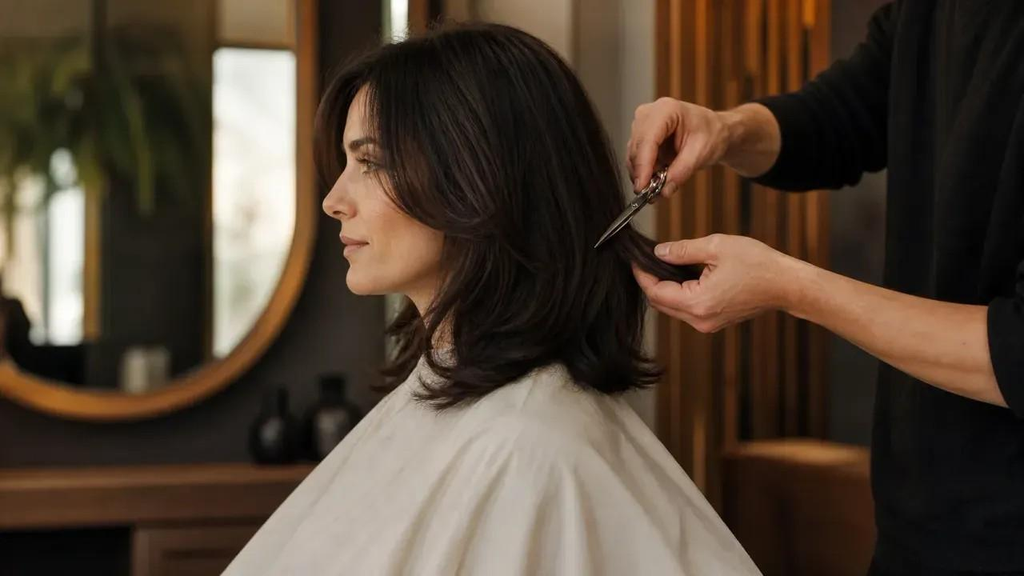
A haircut can change more than appearance. The right shape can make daily styling easier, help the hair sit more naturally and reduce the amount of effort needed each morning. The wrong cut, however, can feel difficult to manage even if it looked good immediately after leaving the salon.
That is why choosing a haircut should involve more than selecting a style from a photo. Hair texture, density, face shape, preferred length and everyday styling habits all influence whether a particular cut will work well over time.
Start With How You Actually Wear Your Hair
Someone searching for a haircut ampang may already have a style in mind, but the most useful starting point is often the daily routine. A person who regularly blow-dries and styles their hair may be comfortable with a cut that needs more shaping. Someone who prefers to wash and go may need something that falls naturally with minimal effort.
Explaining these habits during the consultation helps the stylist understand how much maintenance the customer is realistically willing to do.
A haircut should continue to work after the professional styling has worn off.
Hair Texture Can Change the Result
The same haircut can look very different on straight, wavy, curly or thick hair.
Layers that create movement in one hair type may behave differently in another. Fine hair can respond differently to heavy layering, while thicker hair may need careful shaping to control volume. This is why reference photos should be used as a guide rather than a guarantee.
A stylist can look at the customer’s natural texture and explain how the idea might need to be adapted so the cut remains practical once the hair is washed and styled at home.
Length Should Match Maintenance Preferences
Long hair is not always easier to manage, and short hair is not always low maintenance. A shorter cut may require more frequent trimming to maintain its shape, while longer styles may need more time for washing, drying and detangling. The better choice depends on what the customer values most.
Someone who dislikes frequent salon visits may prefer a shape that grows out gradually, while another person may be happy to maintain a sharper style with regular trims.
Women’s Haircuts Can Be Planned Around Lifestyle
A women’s haircut ampang can involve anything from a small trim to a noticeable change in shape or length. Some customers want to keep most of their existing length while adding movement. Others may be considering a shorter style, new fringe or more structured layers.
The consultation should cover what the customer likes about the current hair as well as what they want to change.
This helps avoid removing more length than expected or creating a style that needs more daily work than the customer intended.
Fringe Styles Need Extra Thought
A fringe can make a big difference to the overall haircut, but it also has its own maintenance needs.
Different fringe styles sit differently depending on forehead shape, hairline, natural movement and texture. Some require regular trimming, while others can grow out more softly.
Humidity can also affect how a fringe behaves, particularly in Malaysia’s climate.
Anyone considering a fringe should think about whether they are comfortable styling it regularly and returning for maintenance when needed.
Face Shape Is Only One Factor
Haircut advice often focuses heavily on face shape, but that is only part of the decision.
Hair density, texture, growth patterns and personal style can matter just as much. Two people with similar face shapes may still need different cuts because their hair behaves differently.
The goal should not be to follow a rigid rule about what a particular face shape “must” wear.
A better approach is to find a haircut that balances the customer’s features while still working with the natural hair.
Bring Reference Photos With Different Angles
One photo may show the front of a hairstyle but hide how the back or sides are shaped. Bringing several reference images can help explain the preferred length, layering and overall silhouette more clearly. It can also be useful to point out what you do not want. For example, someone may like the length in a photo but not the amount of layering. That makes the consultation more specific and reduces the chance of misunderstanding.
Think About How the Cut Will Grow Out
A haircut continues changing after the appointment. Shorter layers, fringes and structured shapes can lose their original form as the hair grows. Softer cuts may remain wearable for longer between visits. Customers who prefer less frequent maintenance should mention that during the consultation. The stylist can then suggest a shape that is likely to grow out in a way that still feels manageable.
Conclusion
Choosing a haircut is less about copying a trend and more about finding a shape that works with the hair and the customer’s routine.
Texture, density, length, maintenance habits and styling preferences should all be part of the decision. Reference photos can help communicate the goal, but the final cut should be adapted to the individual.
A well-planned haircut should still feel practical days and weeks after the salon visit, not only when it has just been professionally styled.
