
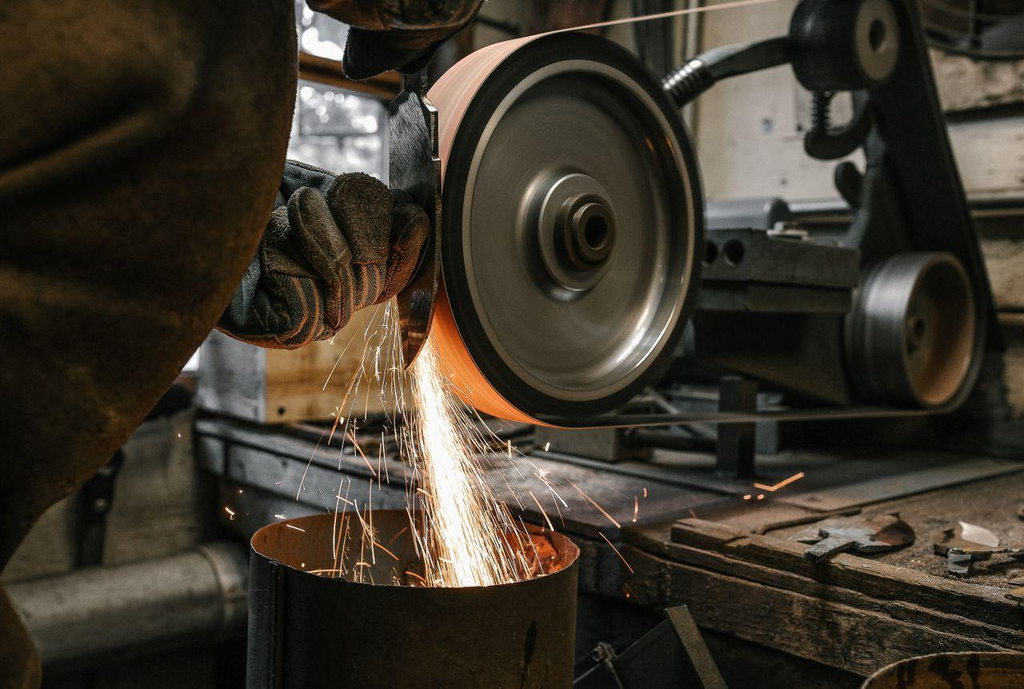
Walk into almost any custom machine shop or metal fabrication facility, and you’ll spot the same recurring headache. Raw materials come in the door on schedule, skilled operators are on the clock, but projects still stall somewhere along the line. Workpieces pile up at one station while another operator waits around for equipment to free up or for specialized supplies to arrive.
Running a profitable shop floor isn’t about pushing your crew to work at a dangerous pace. It’s about identifying the sneaky micro-bottlenecks that eat up valuable hours every single week—and equipping your operation with reliable tools and financial options designed to keep things moving.
1. Capital Friction for Necessary Machinery Upgrades
One of the biggest hurdles shop owners face is needing to upgrade outdated machinery or stock up on bulk raw materials before a big contract pays out. When cash flow gets tight, business owners often defer critical equipment maintenance or pass on lucrative projects because upfront purchasing costs are simply too high.
Having access to flexible, fast-turnaround financing eliminates these operational stalls. Many commercial business owners utilize accessible digital funding channels like Lamina to cover immediate working capital needs, upgrade facility tooling, or smooth out seasonal revenue swings. Being able to secure fluid capital without jumping through months of traditional banking hoops ensures your shop never has to turn down a profitable job due to temporary cash constraints.
2. Operator Eye Strain and Arc Flash Hesitation
Welding might look like a continuous process, but operators actually pause dozens of times per hour to flip hood visors, adjust lighting, or clear away spatter. If a welder is working with an cheap or outdated hood, optical distortion makes it tough to see the joint clearly, leading to awkward positioning, physical fatigue, and uneven bead quality.
Upgrading your shop’s safety gear directly impacts productivity. Top-tier protective gear like miller welding helmets features auto-darkening technology, wide viewing areas, and advanced lens clarity so fabricators can strike an arc instantly without lifting their hoods. Good gear protects the welder’s eyes from intense radiation while keeping them in their working rhythm longer without neck strain.
3. Inefficient Material Handling Between Stations
Moving raw sheet metal or heavy structural steel from the stock rack to the cutting table shouldn’t take three people away from their primary jobs. Yet, poor material handling remains one of the most common time-wasters in medium-sized shops.
Investing in dedicated overhead cranes, magnetic sheet lifters, or motorized cart systems allows a single worker to transfer heavy plates safely in a fraction of the time.
- Vacuum Lifters: Prevent scratches on delicate aluminum or stainless steel sheets during loading.
- Jib Cranes: Keep individual work bays self-sufficient without waiting for the main shop crane.
- Modular Storage Racks: Keep raw stock organized by alloy and gauge so operators don’t waste thirty minutes sorting through raw bundles.
Eliminating physical transport barriers keeps materials moving steadily toward final assembly.
4. Premature Tool Wear and Excessive Burrs
Rough edges, heavy burrs, and uneven cuts force your crew to spend double the expected time on secondary finishing operations like manual deburring and grinding. When cutting tools dull quickly, heat builds up rapidly, warping delicate workpieces and ruining expensive stock.
Modernizing your shop’s cutting fluids and high-performance abrasive wheels keeps edge quality high from the very first cut. High-efficiency carbide inserts and proper coolant delivery systems reduce heat friction, leaving clean edges that move straight to welding without needing extensive prep work.
5. Inconsistent Gas Flow and Poor Joint Preparation
Porosity, spatter, and weak penetration mean one thing: grinding out bad welds and starting all over again. Re-work is the ultimate floor bottleneck, wiping out profit margins on jobs that should have been straightforward.
Beyond ensuring your shielding gas lines are leak-free, taking time to properly bevel joints and prepare metal surfaces before striking an arc saves hours of rework down the line. Clean metal combined with consistent, surge-free gas delivery creates strong, clean welds on the first pass every single time.
Clearing out production delays on the shop floor comes down to removing small frustrations before they multiply. Giving your team the right mix of flexible working capital, reliable cutting tools, and high-performance safety gear turns a sluggish shop floor into a streamlined, high-output operation.
