
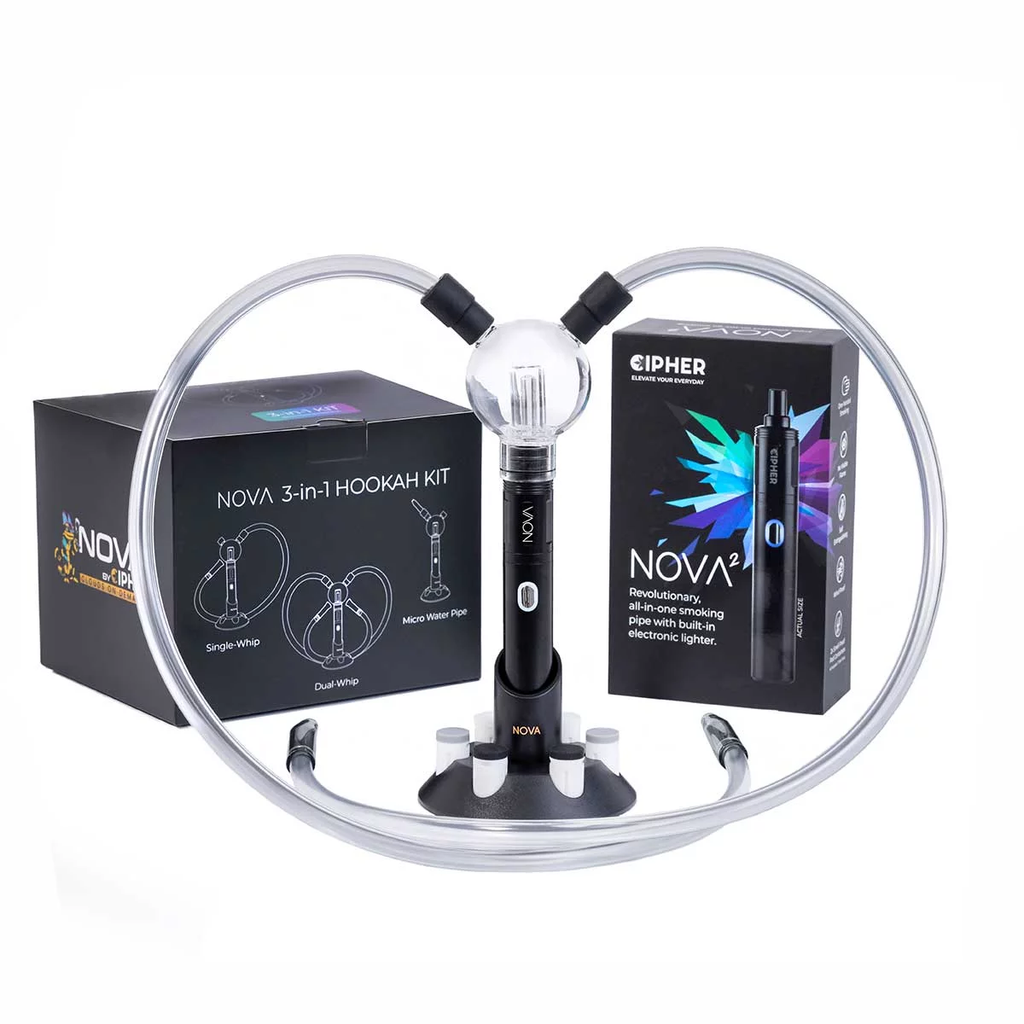
Smoking and vaporization technology has changed considerably as manufacturers have introduced electronically powered devices with more controlled operation. Among these developments, an Electric Bong represents a modern approach to water-filtered inhalation, combining electronic heating or activation with a chamber designed to cool and filter the resulting vapor or smoke. Unlike traditional designs that rely entirely on manual ignition, electric models use a battery or another power source to operate their heating system.
Understanding how these devices function is useful for anyone researching their design, operation, cleaning requirements, and differences from conventional water-filtered devices. An electric design may include temperature controls, rechargeable batteries, automated heating, and compact construction. However, these features also introduce additional components that require proper care.
What Is an Electric Bong?
An electric bong is an electronically powered water-filtration device designed to heat material without relying on a conventional external flame. Depending on the model, the heating mechanism may use a coil, ceramic element, conduction system, convection system, or another electronically controlled heating technology.
The vapor or heated air then passes through a water chamber. Water can cool the inhaled material and capture some particulate matter, creating a different experience from using a simple dry pipe. The electronic heating system is the primary feature separating this type of device from a traditional bong.
The exact construction varies between models, but most designs focus on three basic functions:
- Heating the material
- Passing the output through water
- Delivering the cooled output through a mouthpiece
Some advanced models also incorporate digital controls, preset temperatures, LED indicators, charging ports, and automatic shutoff functions.
How Does an Electric Bong Work?
The operating process depends on the specific design, but the general principle is relatively straightforward. A rechargeable battery or connected power source supplies electricity to a heating element. When activated, the heating element reaches the required operating temperature.
The material is exposed to the generated heat, producing vapor or smoke that travels toward the water chamber. As the output bubbles through the water, the water provides cooling and limited filtration before the vapor reaches the mouthpiece.
The Heating Stage
Heating is one of the most important parts of an electric design. Traditional devices typically require a lighter or torch, which can produce inconsistent temperatures depending on the flame, distance, and duration of heating.
An electronic heating element can provide greater consistency because the device controls the energy delivered to the heater. Some models allow users to select different temperature settings, while simpler versions may operate at a predetermined temperature.
The Water Filtration Stage
After heating, the resulting vapor or smoke passes through water. This process can lower the temperature of the output and remove some larger particles and water-soluble compounds.
Water filtration should not be confused with complete purification. It does not eliminate all potentially harmful substances, and inhalation itself can still carry health risks. The primary functional purpose of the water chamber is cooling and filtration rather than making inhalation harmless.
The Delivery Stage
Once the output has moved through the water chamber, it travels toward the mouthpiece. The design of the chamber, water level, airflow path, and mouthpiece can influence resistance and overall airflow.
A well-designed airflow system can make the device easier to operate, while poorly maintained pathways may become restricted by residue or moisture.
Main Components of an Electric Bong
Although construction differs from one model to another, several components are commonly associated with electronically powered water-filtering devices.
Battery
The battery supplies electricity to the heating system. Rechargeable lithium-ion batteries are common in portable electronic devices because they provide a useful balance between energy capacity and size.
Battery condition affects operating time and reliability. Users should follow the manufacturer’s charging instructions and avoid using damaged batteries.
Heating Element
The heating element converts electrical energy into heat. Different materials and technologies can influence heating speed, temperature stability, and energy consumption.
Ceramic and metal heating components are among the technologies found in electronically heated devices. The design determines how efficiently heat is transferred to the material.
Water Chamber
The water chamber is responsible for cooling and filtering the output. Its shape and size can influence bubbling, airflow, and water movement.
Too little water may reduce cooling performance, while excessive water can increase the possibility of splashback or water entering unwanted areas of the device.
Mouthpiece
The mouthpiece provides the final connection between the airflow path and the user. It should remain clean because residue can accumulate around the opening and affect airflow.
Control System
More advanced devices may include buttons, displays, temperature controls, indicators, or automatic shutoff features. These controls allow the electronic system to manage heating more precisely than a manually applied flame.
Electric Versus Traditional Bongs
The biggest difference between electric and traditional models is the heating method. Conventional bongs generally depend on an external flame, while electric models use an integrated electronic heating system.
Electric designs may offer more predictable heating and eliminate the need to handle an open flame. They can also provide features such as temperature presets and rechargeable operation.
Traditional designs, however, are generally simpler. They contain fewer electronic components and do not require battery charging. Their straightforward construction can make them easier to inspect, repair, or clean.
The main differences can be summarized as follows:
- Heating: Electronic heating versus external flame
- Power: Rechargeable or electrical power versus no battery
- Temperature control: Often available electronically versus manual control
- Portability: Depends heavily on battery and design
- Maintenance: Requires both water-chamber cleaning and electronic care
- Complexity: Generally higher in electronically powered models
Potential Advantages of Electronic Heating
Electronic heating can provide several practical advantages from a device-design perspective.
More Consistent Heating
A controlled heating element can reduce some of the variability associated with manually applied flames. This may make the heating process more predictable.
No Open Flame
Because the heating system is integrated into the device, there is generally no need for a separate lighter or torch. This can simplify operation and reduce the presence of an exposed flame.
Temperature Settings
Some models allow temperature adjustment. Different temperature levels can affect vapor production and the way heat is transferred to the material.
Rechargeable Operation
Portable electric designs can be recharged rather than requiring a continuous supply of disposable ignition sources. Battery capacity and charging speed vary considerably between devices.
Limitations to Consider
Electric designs are not automatically better simply because they use newer technology. They also introduce limitations that traditional devices may not have.
The most obvious consideration is battery dependency. A device with an empty battery may not operate until it has been recharged. Electronic components can also fail, and repairs may be more complicated than replacing a simple mechanical part.
Another consideration is cleaning. While traditional glass devices mainly require attention to the water chamber and airflow path, electric models may contain components that should never be exposed to water.
Potential limitations include:
- Battery charging requirements
- More complex internal components
- Greater sensitivity to moisture
- Possible electronic failures
- Additional cleaning precautions
- Higher dependence on manufacturer-specific components
Cleaning and Maintenance
Regular maintenance is essential for any water-filtration device. Residue can accumulate inside the chamber, downstem, mouthpiece, and airflow pathways. Over time, this buildup can restrict airflow and create unpleasant odors.
Before cleaning an electric model, the device should be powered off and disconnected from its charger. Water should be kept away from electronic controls, charging ports, batteries, and internal circuitry unless the manufacturer specifically states that a component is waterproof.
A general maintenance routine may include:
- Emptying and replacing the water regularly.
- Cleaning removable glass or compatible components separately.
- Removing visible residue from the mouthpiece.
- Checking airflow pathways for blockages.
- Keeping charging ports dry.
- Inspecting cables and battery areas for damage.
- Allowing components to dry completely before reassembly.
The manufacturer’s instructions should always take priority because cleaning procedures vary by construction.
Battery and Electrical Safety
Battery-powered devices require additional attention compared with traditional glass products. Damaged batteries, inappropriate chargers, excessive heat, or physical impacts can create safety concerns.
A device should not be used if its battery appears swollen, damaged, unusually hot, or otherwise compromised. Charging should be performed according to the manufacturer’s specifications, using compatible charging equipment.
It is also important to avoid placing a charging device in extremely hot environments or leaving damaged electronic components unattended.
Choosing an Electric Bong: Important Factors
When evaluating an electric model, technical specifications can be more useful than appearance alone. Buyers or researchers should consider how the device is constructed and what features are genuinely useful.
Temperature Control
A wider temperature range can provide greater control over the heating process, but the usefulness depends on the accuracy and stability of the system.
Battery Capacity
Battery capacity affects how frequently the device needs charging. Larger batteries may provide longer operation but can also increase overall size and weight.
Material Quality
Glass, ceramic, stainless steel, and heat-resistant polymers may be used in different parts of a device. The quality of materials can affect durability, cleaning, and heat management.
Ease of Cleaning
A complicated device can become difficult to maintain if its components are hard to remove. Accessible, replaceable, and washable components can simplify routine care.
Safety Features
Automatic shutoff, temperature regulation, overcharge protection, and battery-management systems can be useful features in an electronic device.
Environmental and Practical Considerations
Electronic devices have a different environmental profile from simple glass products because they contain batteries, electronic circuitry, and additional materials. Proper disposal is therefore important when a battery or electronic component reaches the end of its usable life.
Users should avoid placing rechargeable batteries in ordinary household waste where local regulations provide dedicated battery-recycling options. Glass and other removable components should also be handled according to local waste-management requirements.
From a practical standpoint, an electric model may be convenient for people who prefer integrated controls, but the additional electronics mean that long-term reliability depends on both mechanical construction and electronic quality.
Final Thoughts
An electronically powered water-filtration device combines traditional water-chamber principles with modern heating technology. Its defining characteristics include an integrated heating system, rechargeable power in many models, potential temperature controls, and a water chamber designed to cool and filter the output.
Understanding the components, maintenance requirements, battery considerations, and limitations is more important than focusing solely on appearance or additional features. Like any electronic device, responsible handling, proper cleaning, and adherence to manufacturer instructions can help maintain its functionality and reduce avoidable risks.
Ultimately, the most important considerations are construction quality, heating consistency, battery safety, ease of maintenance, and appropriate use. A clear understanding of these factors allows readers to make more informed decisions when comparing electronically powered water-filtration devices.
Frequently Asked Questions
1. What is an electric bong?
An electric bong is a water-filtration device that uses an electronic heating system instead of relying on a conventional external flame. It typically combines a battery-powered or electrically powered heater with a water chamber. The electronic system manages heating, while the water chamber provides cooling and limited filtration before the output reaches the mouthpiece.
2. How is an electric bong different from a traditional bong?
The main difference is the heating method. Traditional bongs generally require an external flame, whereas electric models use an integrated electronic heating element. Some electronic versions also provide temperature controls and rechargeable batteries. Traditional designs are usually simpler because they contain fewer electronic components and do not depend on charging.
3. Does water completely filter harmful substances?
No. Water can cool the output and remove some larger particles and water-soluble compounds, but it does not make inhalation harmless or eliminate every potentially harmful substance. Water filtration should therefore be understood as a cooling and filtration process rather than a complete purification method or a guarantee of reduced health risk.
4. How should an electric bong be cleaned?
Cleaning procedures depend on the specific design. Generally, removable water-contact components can be cleaned separately, while electronic sections should be protected from moisture. The device should be switched off and disconnected before maintenance. Manufacturer instructions should always be followed, particularly when cleaning around batteries, charging ports, controls, or integrated heating components.
5. What should be considered before choosing an electric bong?
Important considerations include heating consistency, battery capacity, temperature controls, material quality, cleaning access, safety features, and replacement-part availability. It is also useful to consider the device’s size and charging requirements. Electronic complexity can provide additional functionality, but it also means there are more components that require appropriate handling and maintenance.
